
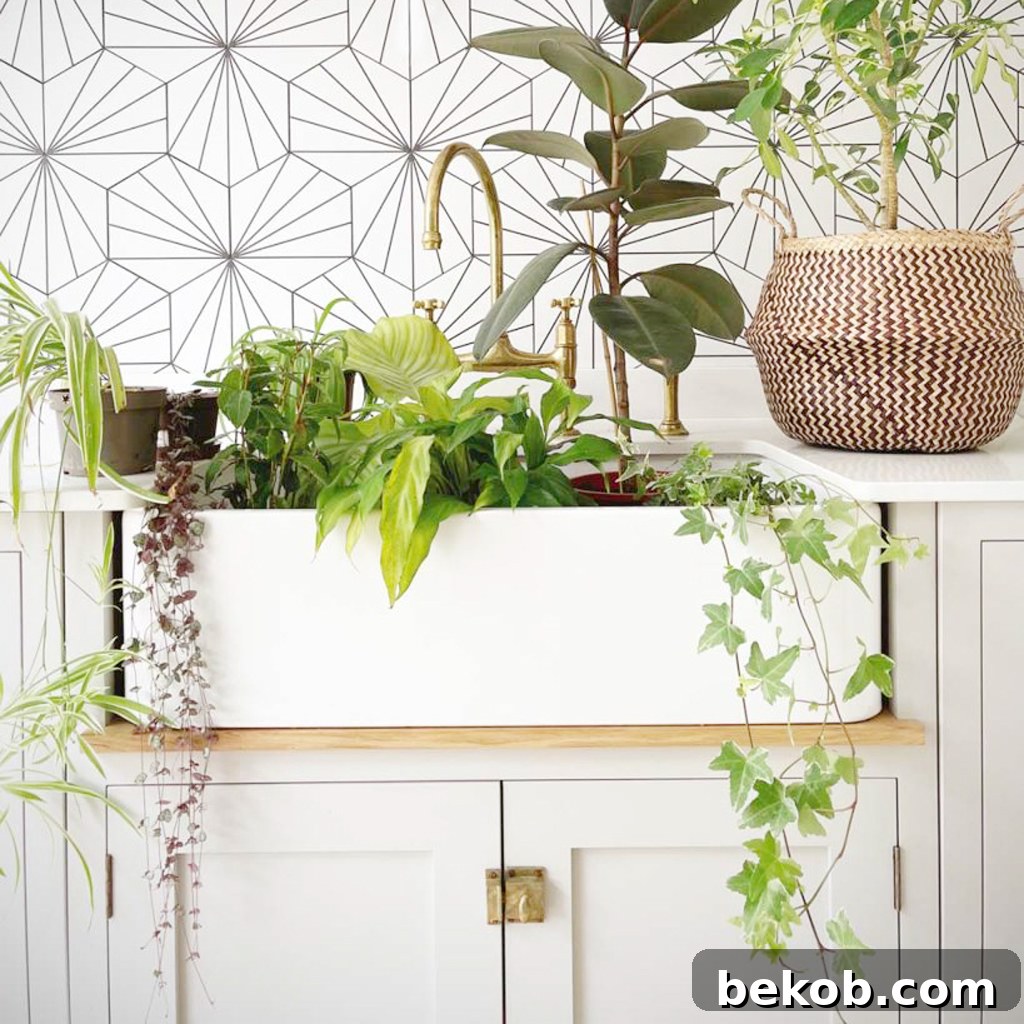
In the realm of modern interior design, where trends often come and go like fleeting fads, one concept stands out for its deep-rooted connection to human well-being: biophilic design. More than just a buzzword, biophilic design isn’t simply about adding a few plants to a room; it’s a holistic approach that seeks to integrate natural elements and processes into built environments, fostering a profound connection between people and nature. At its core, biophilia refers to the inherent human tendency to affiliate with nature and other living systems, a concept popularized by biologist E.O. Wilson. This innate desire to surround ourselves with natural, living, or nature-inspired things is celebrated and harnessed by biophilic design, transforming our homes into serene, life-enhancing sanctuaries.
What Is Biophilic Design and Why It Matters for Your Home?
Biophilic design is an innovative architectural and interior design philosophy that aims to connect humans with nature through the thoughtful use of natural elements, materials, and patterns. The primary goal is to create environments that not only look appealing but also genuinely enhance our mood, boost productivity, reduce stress, and promote an overall sense of harmony and well-being with the natural world. It goes beyond mere aesthetics, tapping into our primal need for nature to improve our physical and mental health.
In an increasingly urbanized and digitized world, where most of us spend over 90% of our lives indoors, the disconnection from nature is profound. This separation can lead to increased stress, fatigue, and even exacerbate conditions like seasonal affective disorder (SAD). Biophilic design offers a powerful antidote, scientifically proven to calm the soul and positively impact various aspects of our health and well-being. Studies have shown that exposure to natural elements can lower blood pressure, reduce heart rate, improve cognitive performance, and accelerate healing. By consciously weaving natural patterns, materials, and living organisms into our living spaces, we can mitigate the detrimental effects of modern living and cultivate environments that nurture us on a fundamental level.
10 Transformative Ways to Incorporate Biophilic Design into Your Home
Embracing biophilic design in your home is about recreating the calming and revitalizing sensations we experience when immersed in nature. It’s essentially “bringing the outside in” through a multitude of sensory experiences, from the visual comfort of lush greenery to the tactile pleasure of natural textures and the soothing sounds of water. Let’s explore ten simple yet impactful ways to infuse elements of biophilic design into your personal sanctuary.
1. Maximize Natural Light
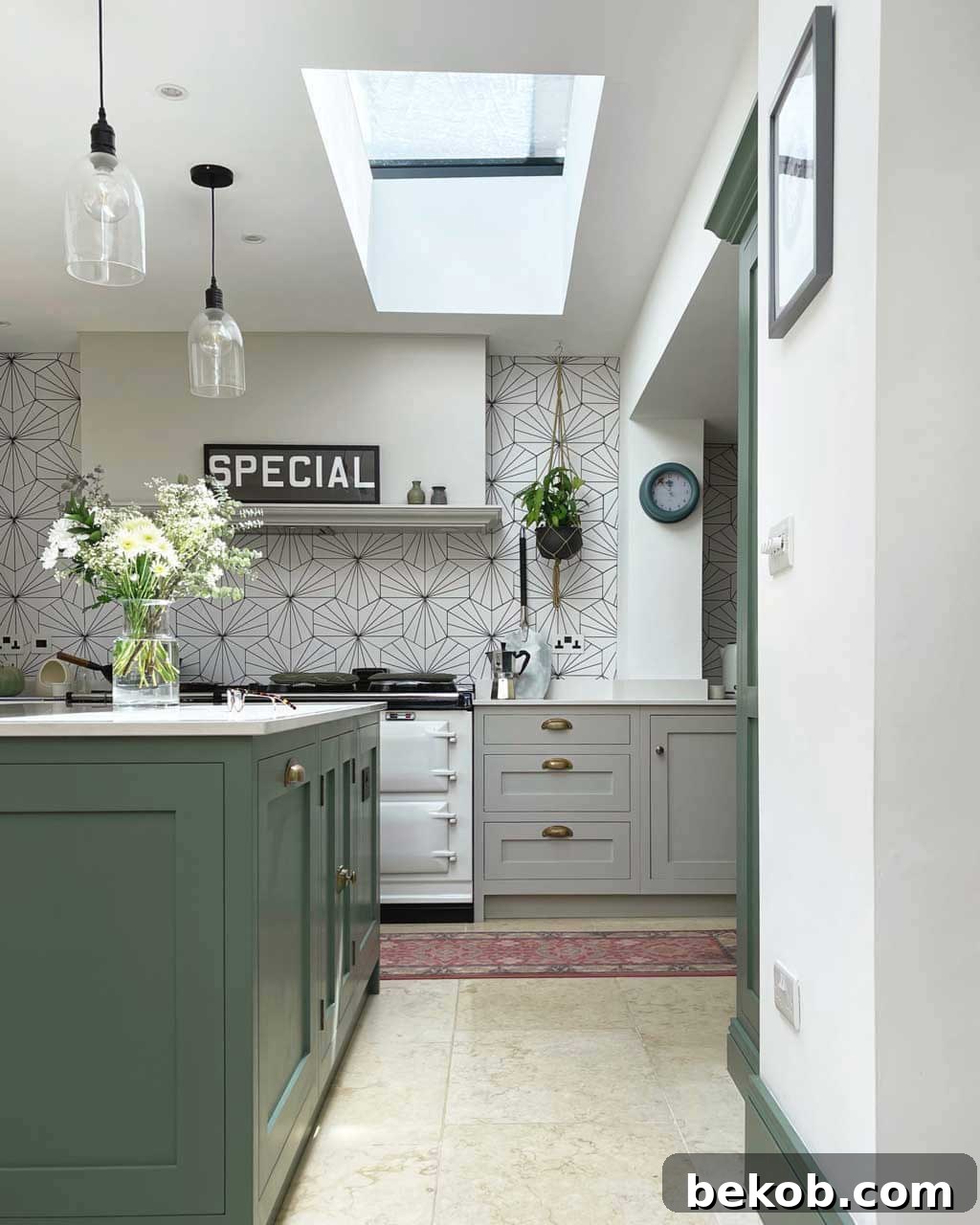
The most fundamental connection to nature comes through light. Maximize the amount of natural light in your home by allowing it to flood every possible space. If you’re undertaking a renovation or remodeling project, consider incorporating large, expansive windows, strategically placed skylights, or even light wells to funnel daylight into deeper areas of your home. Abundant daylight not only illuminates a space beautifully but also plays a crucial role in regulating our circadian rhythms, which dictate our sleep-wake cycles, and significantly boosts mood. This is particularly beneficial for individuals susceptible to seasonal affective disorder (SAD).
For those unable to make structural changes, focus on optimizing existing light sources. Ditch heavy drapes and opaque curtains in favor of sheer fabrics, light-filtering blinds, or even minimalist roller shades that allow maximum daylight penetration. Position furniture strategically to avoid blocking windows and use reflective surfaces, such as mirrors or light-colored walls, to bounce light further into the room. The goal is to create bright, airy spaces that feel open and connected to the rhythms of the sun.
2. Embrace a Natural Color Palette
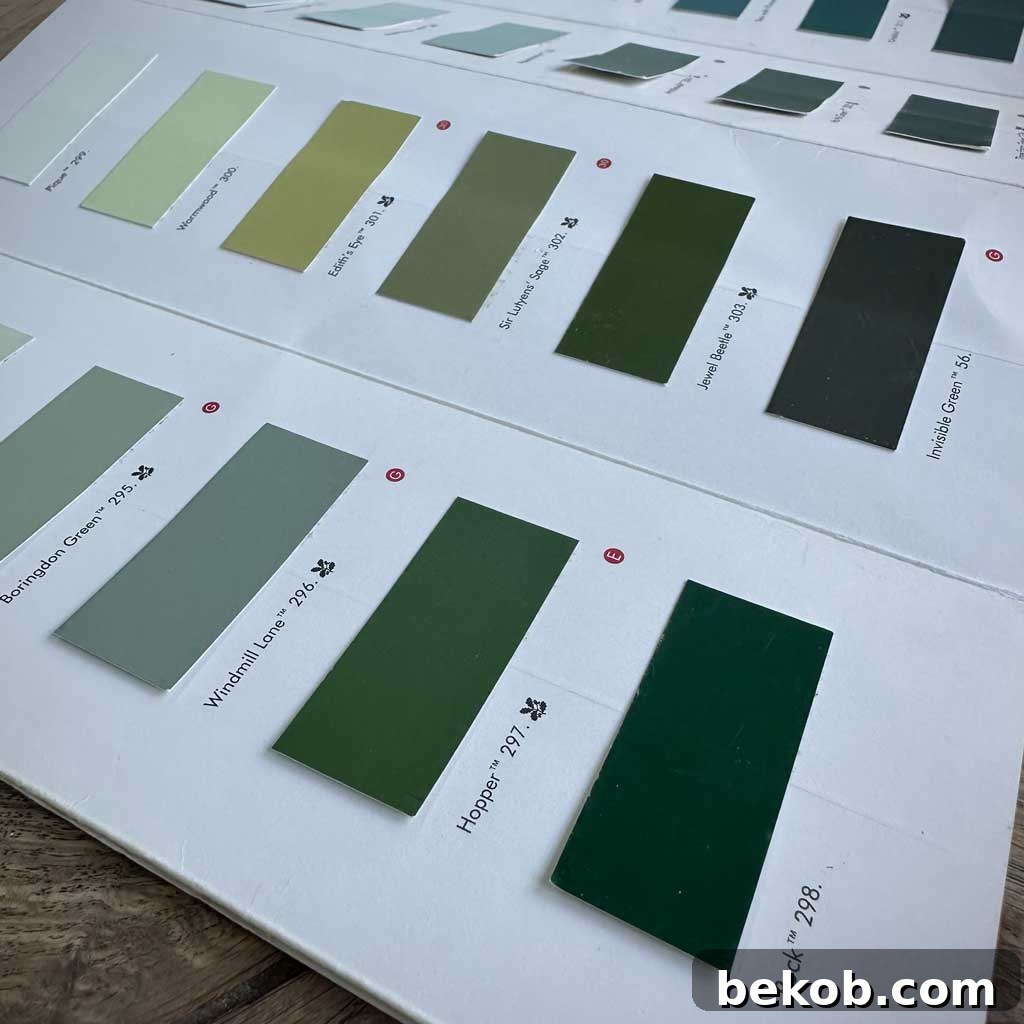
Draw inspiration from the vast outdoors when selecting your home’s color scheme. Earthy tones and natural hues derived from landscapes, forests, and oceans are inherently calming and soothing. Shades of green (from soft sage to deep forest), tranquil blues (like sky and sea), and grounded neutrals (such as sandy beige, warm taupe, or creamy ivory) can create an instantly serene and harmonious environment. These colors provide a peaceful backdrop, allowing the mind to relax and find clarity.
For a truly cohesive and biophilic feel, consider using a neutral base color that echoes natural elements, then layering shades of the same color or complementary natural tones throughout the home. This creates visual continuity and a gentle, inviting atmosphere. To add visual interest and vibrancy, introduce “pops” of richer, earthy accent colors inspired by nature’s jewels – think warm terracotta, rusty orange of autumn leaves, deep indigo, or the sunny yellow of wildflowers. These brighter shades can be incorporated through accessories, artwork, and soft furnishings, creating focal points and adding depth to your color scheme. Furthermore, many paint manufacturers now offer eco-friendly ranges with low or zero VOC (volatile organic compounds), which not only reduce harmful chemicals and odors but also contribute to healthier indoor air quality, aligning perfectly with biophilic principles.
3. Integrate Indoor Greenery
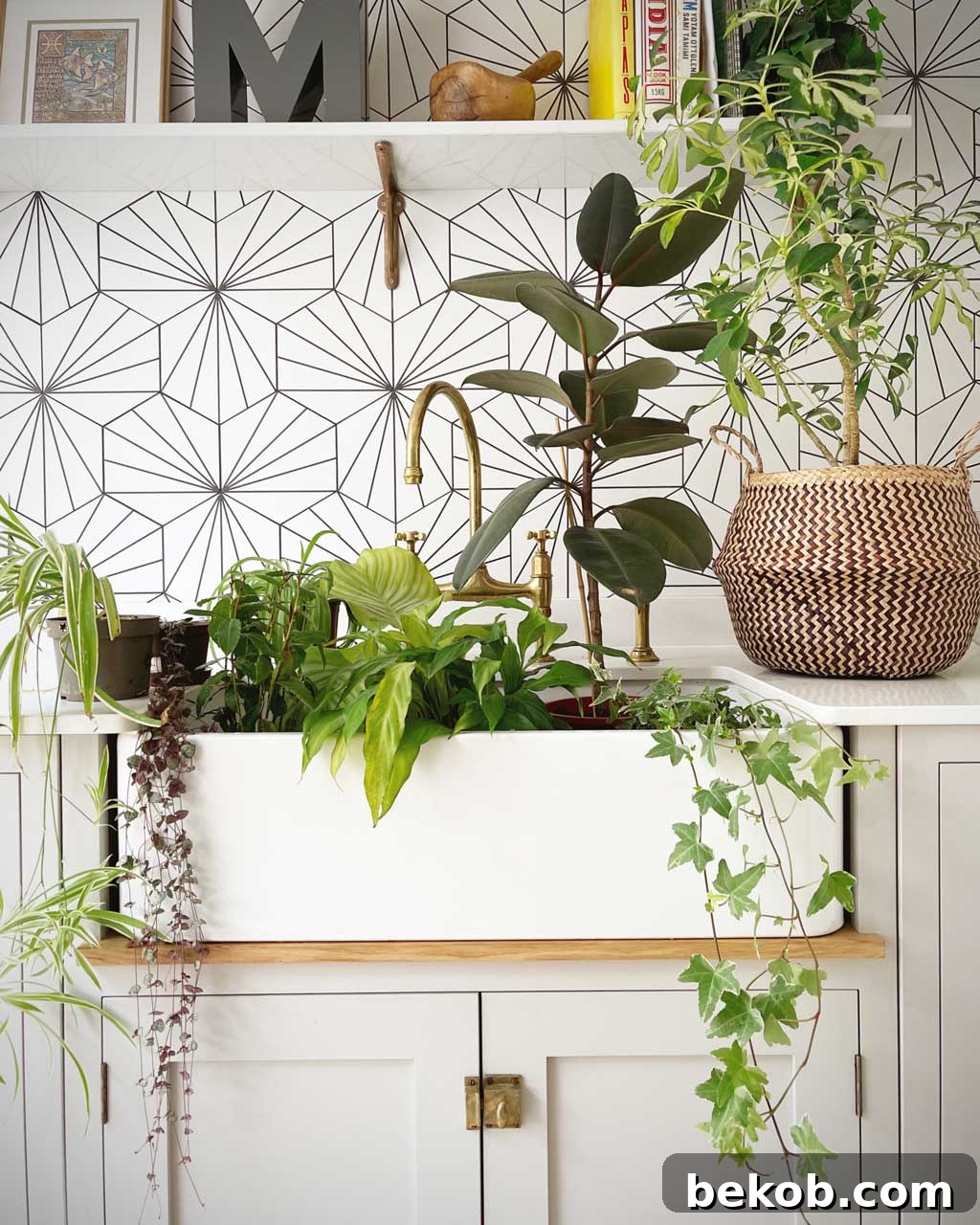
Bringing live plants indoors is perhaps the most direct and impactful way to implement biophilic design. Houseplants are more than just decorative; they actively improve indoor air quality by absorbing carbon dioxide and releasing oxygen, while also filtering common toxins like formaldehyde, benzene, and xylene. Beyond purification, many plants release moisture vapor through transpiration, which helps regulate indoor humidity levels – a significant benefit, especially in dry climates or during winter, combating dry skin and reducing the risk of respiratory issues.
The psychological benefits are equally profound. Numerous studies confirm that the presence of indoor plants reduces stress levels, lowers blood pressure, and decreases anxiety, promoting a profound sense of calm and mental well-being. This connection satisfies our inherent biophilic need to interact with living systems. Choose a variety of plants with different shapes, sizes, and foliage textures to create dynamic visual interest. Consider large statement plants like Fiddle Leaf Figs or Monstera Deliciosa, alongside smaller trailing plants like Pothos or Philodendrons, and even vibrant flowering plants for bursts of color. For beginners or those with busy lifestyles, low-maintenance plants such as Snake Plant (Sansevieria) or Spider Plant (Chlorophytum Comosum) are excellent choices, known for their resilience and superior air-purifying capabilities. Always consider your home’s specific lighting conditions and your personal care preferences when curating your indoor garden.
4. Design a Living Green Wall
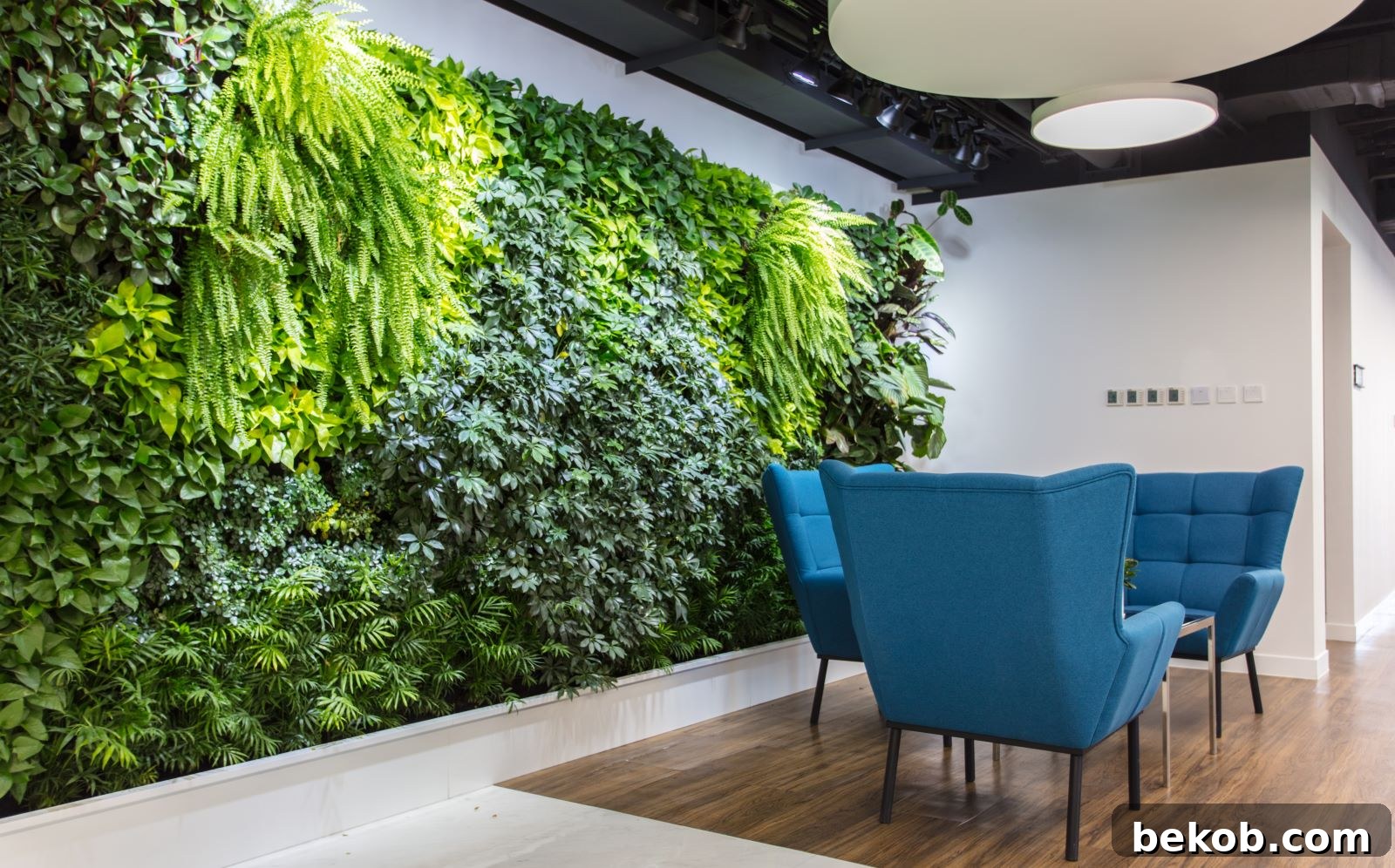
When floor space for houseplants is limited, a vertical garden or “living wall” offers a stunning and space-efficient solution. These impressive installations transform a plain wall into a vibrant tapestry of greenery, instantly enhancing aesthetic appeal and significantly improving air quality. Before embarking on a green wall project, ensure the wall can support the weight of the plants, soil (or growing medium), and any integrated irrigation systems. Factors like available sunlight, proper drainage, and accessibility for watering and maintenance are crucial for success.
There are several types of green wall systems to consider, each offering unique benefits:
- Green Façade: This involves planting climbing plants or vines directly at the base of a wall or using a trellis system for support, allowing the plants to naturally ascend and cover the surface.
- Modular Living Wall: Comprising pre-grown panels or modules filled with plants, these systems are installed onto the wall, often with integrated frameworks, irrigation, and root barriers. They offer flexibility in design and plant arrangement.
- Green Wall Pocket System: Utilizing fabric pockets or small planters attached to a wall, this system allows individual plants to grow in their own compartments, providing ease of replacement and diverse plant selection.
- Hydroponic System: Ideal for indoor green walls, this soilless system uses a recirculating irrigation system to deliver nutrient-rich water directly to the plant roots. It requires less maintenance than traditional soil-based systems and is excellent for specific plant types.
Beyond their beauty, living walls contribute to thermal insulation, reduce ambient noise, and create a powerful statement of biophilic intent.
5. Include a Soothing Water Feature

The gentle murmur of flowing water is one of nature’s most universally calming sounds. Incorporating an indoor water feature, whether a subtle tabletop fountain, an elegant wall-mounted water display, or a captivating bubble wall, instantly elevates the tranquility of your home. These elements promote relaxation, mimic the soothing sounds of streams and rainfall, and can even help mask unwanted ambient noise, creating a more peaceful auditory environment.
Beyond the auditory benefits, water features add visual interest and can increase indoor humidity, which is beneficial for both human comfort and plant health. If you opt for a more elaborate indoor pond or water garden, select suitable aquatic plants like water lilies or submerged grasses, and enhance the natural beauty with decorative elements such as smooth river stones, polished pebbles, or driftwood. The interplay of light on moving water creates a dynamic, ever-changing focal point that deeply connects us to the fluid, life-giving essence of nature.
6. Utilize Organic and Natural Materials
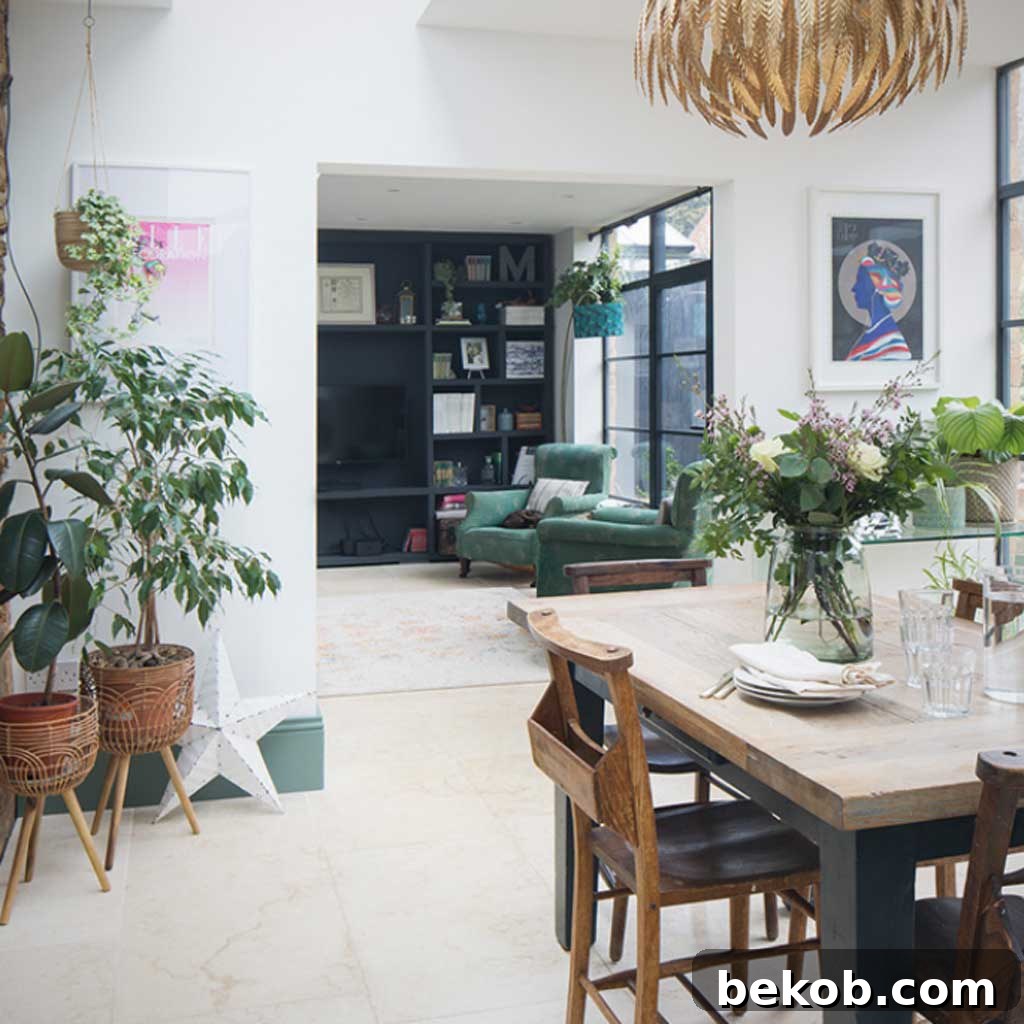
The tactile and visual qualities of natural materials are central to biophilic design. Integrate elements such as solid wood, sustainable bamboo, cork, or various types of natural stone (like slate, marble, or limestone flooring) into your interior design. These materials naturally add warmth, texture, and authenticity to your home, forging a strong, tangible connection with the earth. Limestone, for instance, is an excellent environmentally friendly choice, being a plentiful, naturally occurring resource that requires minimal processing.
Extend this principle to your furnishings and textiles. Opt for furniture crafted from natural woods, perhaps with visible grain, and choose upholstery fabrics made from linen, organic cotton, wool, or hemp. Linen sofas, wooden dining tables, and shelving units made from reclaimed timber all enhance the natural, grounded vibe of any living space. Furthermore, introduce woven textiles like area rugs made from natural fibers such as jute, sisal, or seagrass, and drape wool or cashmere blankets in natural tones over sofas. These elements not only add visual interest but also invite touch and contribute to a richer sensory experience, deepening the connection to nature’s diverse textures.
7. Introduce Natural Patterns and Textures
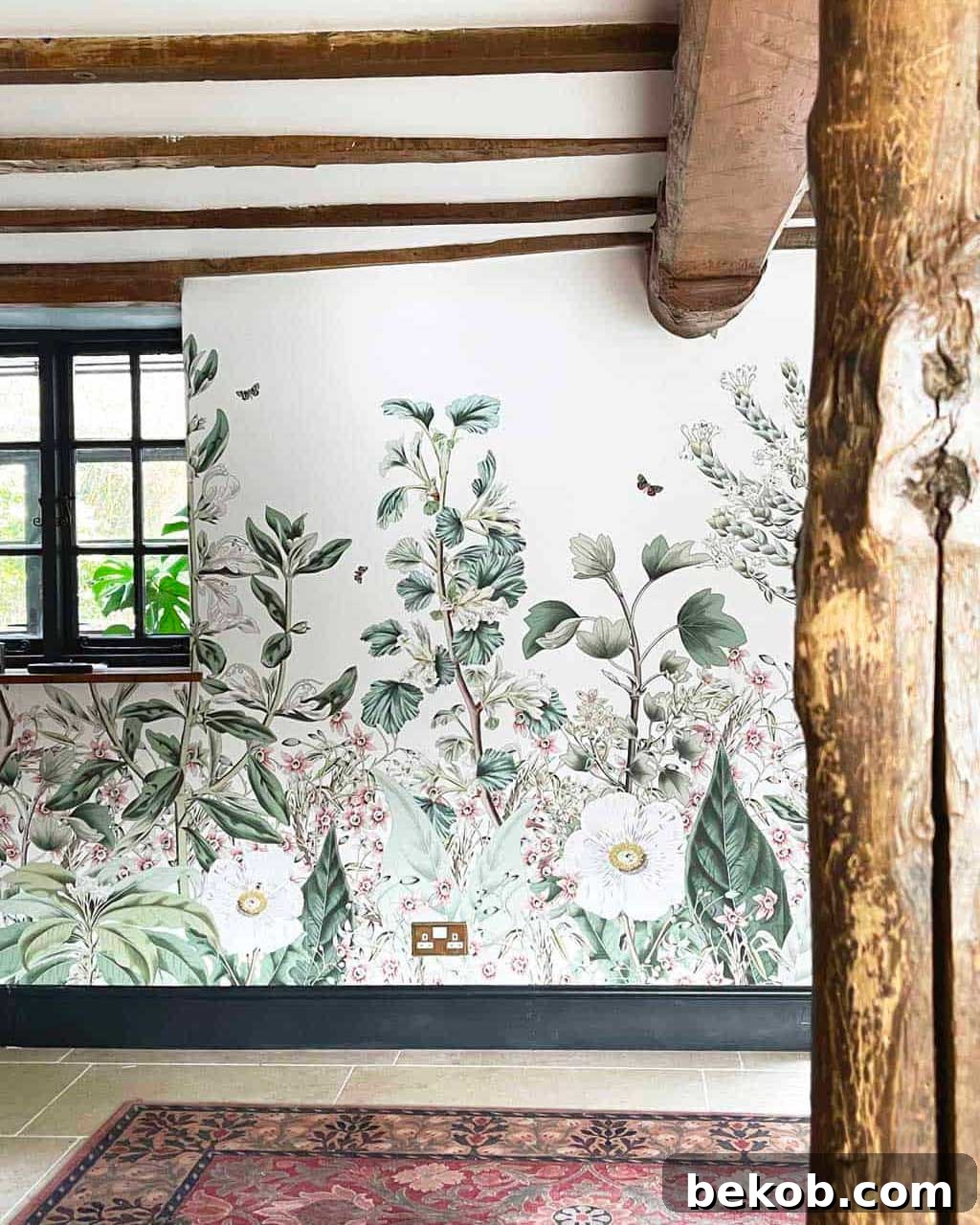
Beyond using actual natural materials, incorporate patterns and textures that mimic those found in the natural world. Think about the organic irregularities of wood grain, the intricate venation of leaves, the subtle ripples of water, or even the complex fractal patterns seen in snowflakes or fern fronds. These patterns are inherently pleasing to the human eye and mind, evoking a sense of calm and order that reflects nature’s intelligence.
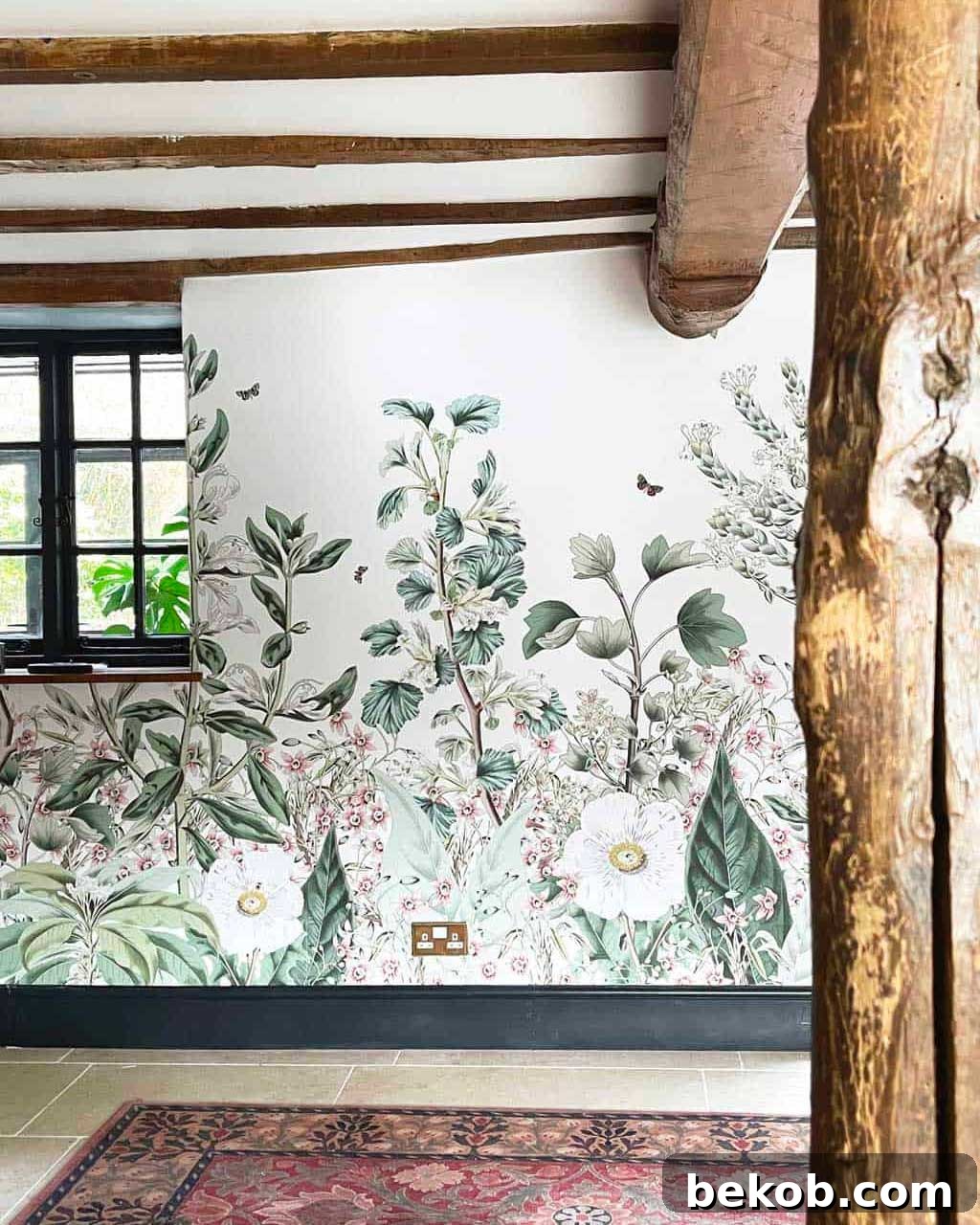
Choose furniture, fabrics, and wall coverings that feature these natural motifs. For instance, botanical wallpapers and murals can create a dramatic impact, transforming a simple wall into a vibrant forest scene or a tranquil garden view. These powerful visual statements bring the essence of the outdoors directly into your living spaces, even in smaller rooms like downstairs toilets or cloakrooms, where they can have a surprisingly powerful effect. Look for textiles with weaves that echo basketry, furniture with exposed joinery that highlights the wood’s natural characteristics, or decorative items that feature natural geodes, pressed flowers, or intricate shell arrangements. These subtle yet pervasive patterns reinforce the biophilic connection.
8. Harness Natural Scents
The sense of smell is a powerful trigger for memory and emotion, and natural aromas can profoundly influence our mood. Infuse your home with the delicate and invigorating scents of nature through essential oils, natural scented candles, or fresh botanicals. Fragrances like calming lavender (evoking meadows), refreshing eucalyptus (recalling forests), uplifting citrus (like lemon or orange), grounding cedarwood, or earthy patchouli can evoke a sense of peace, relaxation, or invigoration, depending on your desire.
Essential oils, concentrated plant extracts, offer a versatile way to introduce these aromas:
- Diffuser: Add a few drops of your chosen essential oil to an electric diffuser to disperse the scent evenly throughout a room.
- Potpourri: Create your own natural potpourri by combining dried flowers, herbs (like rosemary or thyme), and citrus peels. Enhance the fragrance by adding a few drops of essential oil periodically.
- Linen and Fabric Spray: Mix a few drops of essential oil with distilled water in a spray bottle to create a natural, chemical-free linen spray. Spritz onto curtains, pillows, or upholstered furniture for a subtle, fresh aroma.
Additionally, fresh flowers, bowls of fragrant herbs, or even beeswax candles can provide natural, subtle scents that contribute to a holistic biophilic experience, engaging all your senses in connecting with nature.
9. Maximize Existing Views of Nature
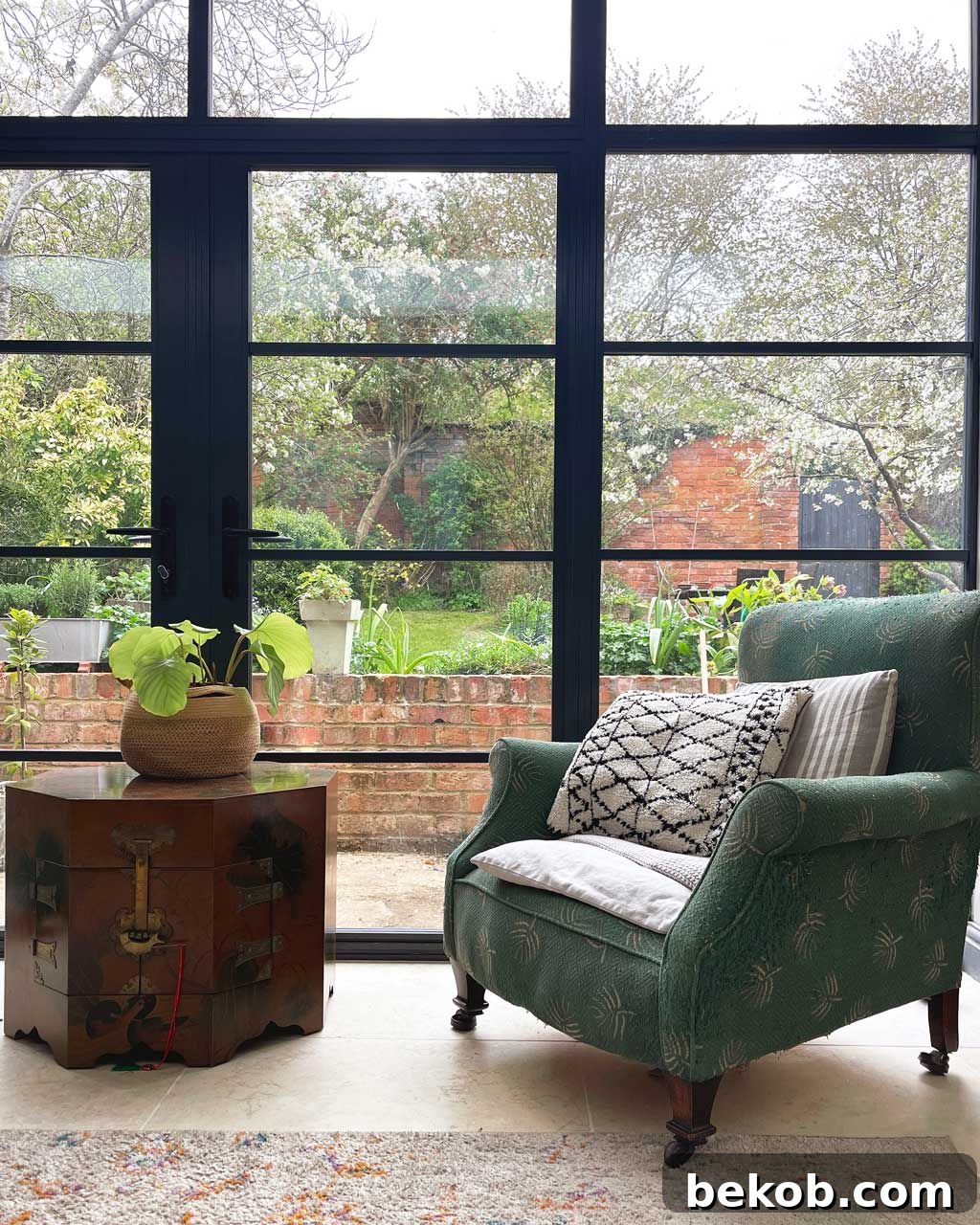
If your home is blessed with natural vistas, make these views a central feature of your interior design. Strategic furniture placement can transform a simple window into a dynamic, ever-changing piece of living art. Arrange your seating to face gardens, majestic trees, distant hills, or serene bodies of water, allowing you to relax and enjoy the scenery. Even in high-rise city apartments, views of distant parks, winding riverscapes, or the expansive sky can become vital focal points, offering a sense of openness and connection to the broader environment.
Keep window treatments minimal and unfussy to avoid obstructing these precious views. Consider clearing any clutter from windowsills and framing the view with a simple, elegant curtain rod. If natural views are limited, you can still create a “framed nature” effect indoors. This might involve installing a large piece of nature-inspired artwork, a high-definition nature photography mural, or even a preserved moss wall panel that brings the visual serenity of a forest directly into your room. The principle is to ensure that a visual connection to natural elements, whether real or represented, is always within reach.
10. Design Inviting Outdoor Living Spaces
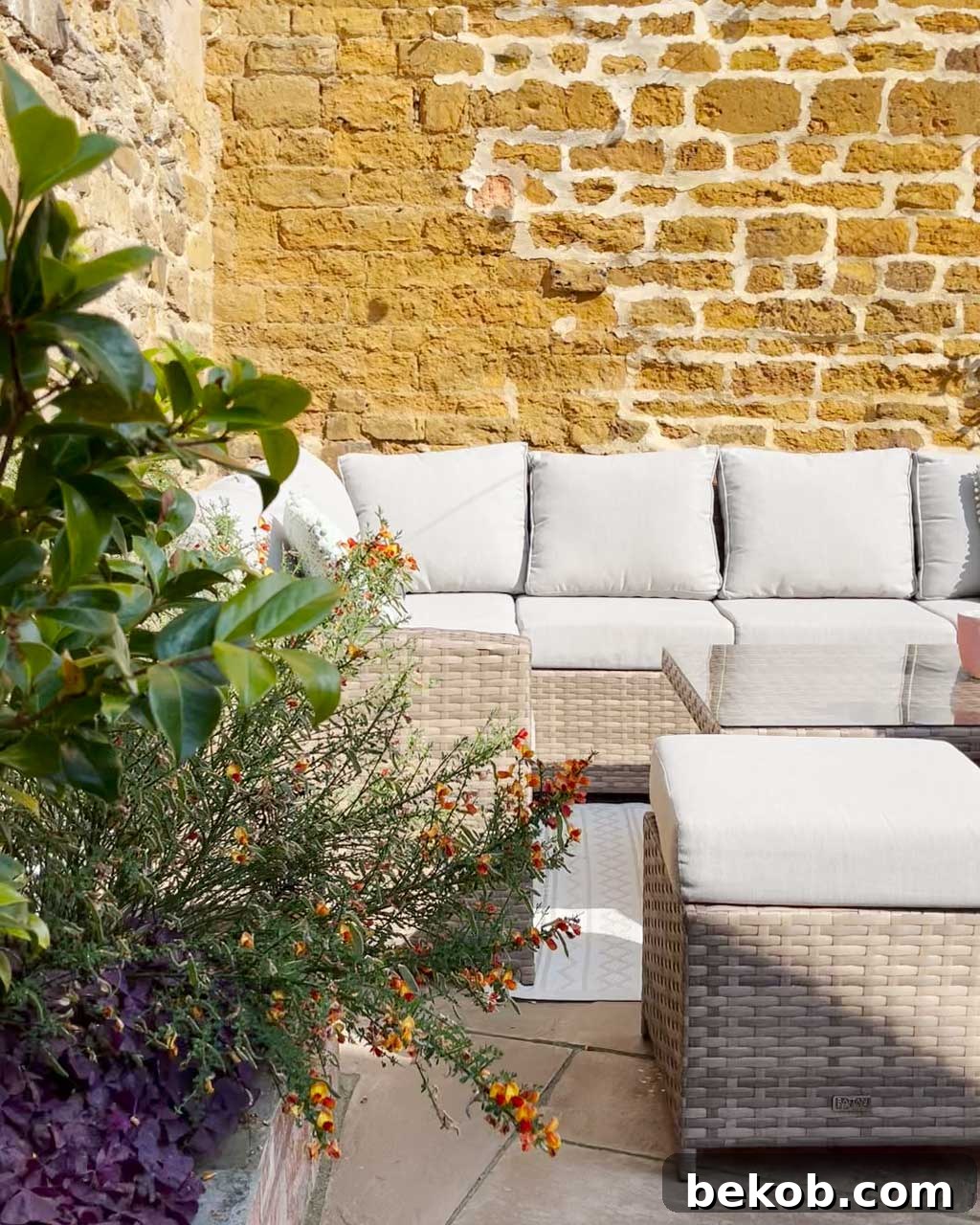
While biophilic design often focuses on “bringing the outside in,” extending your living space outdoors is an equally powerful expression of this philosophy. View your garden, patio, or deck as an indispensable “fifth room” that seamlessly integrates with your indoor environment. Create a comfortable and inviting outdoor living area using principles that mirror your interior design. Incorporate natural elements such as potted plants, raised garden beds with herbs and flowers, and outdoor furniture crafted from sustainable materials like teak, rattan, or recycled plastics.
Enhance the ambiance with cozy lighting schemes – solar lights to uplight trees and bushes, twinkling fairy lights for a magical effect, and hurricane lanterns or tealight candles for a warm, intimate glow. For cooler evenings, invest in weatherproof sofas, plush outdoor cushions and rugs, and a source of warmth like an outdoor heater, chiminea, or a captivating fire pit. This intentional creation of outdoor comfort encourages greater interaction with nature, blurring the boundaries between indoors and out. This cohesion between our inside and outside living spaces is incredibly beneficial for positive mental health and well-being, fostering a profound sense of harmony with the natural world.
Biophilic design is far more than a fleeting trend; it’s a timeless approach to creating environments that support and enhance human life. By consciously integrating natural light, colors, materials, patterns, plants, water features, and outdoor connections into our homes, we can cultivate spaces that not only look beautiful but also nourish our minds, bodies, and spirits. Embrace these principles, and transform your home into a truly restorative sanctuary.
This article originally appeared on Wealth of Geeks.