
In the dynamic realm of home décor, trends emerge, flourish, and then gracefully recede, only for some timeless elements to make a nostalgic return. Yet, certain relics from past eras steadfastly remain, serving as captivating reminders of generations gone by. These aren’t just mere objects; they are echoes of an era, infused with stories and a distinctive charm that continues to resonate with many. If you belong to the baby boomer generation, these décor items might evoke a strong sense of familiarity and cherished memories. For those younger, prepare to embark on a fascinating journey through interior design history. It’s time to play the role of a home décor detective and discover if any of these iconic blasts from the past are subtly or boldly gracing the spaces within your own home.
From vibrant kitchen appliances to unique seating arrangements and playful accessories, the homes of previous decades were filled with character. This list highlights some of the most memorable and enduring elements that defined boomer households, many of which still hold a special place in the hearts of homeowners and design enthusiasts alike. Whether you find them charmingly vintage, wonderfully retro, or simply a fun conversation starter, these items offer a unique glimpse into the aesthetics and lifestyles of their time.
11. Avocado Green Appliances
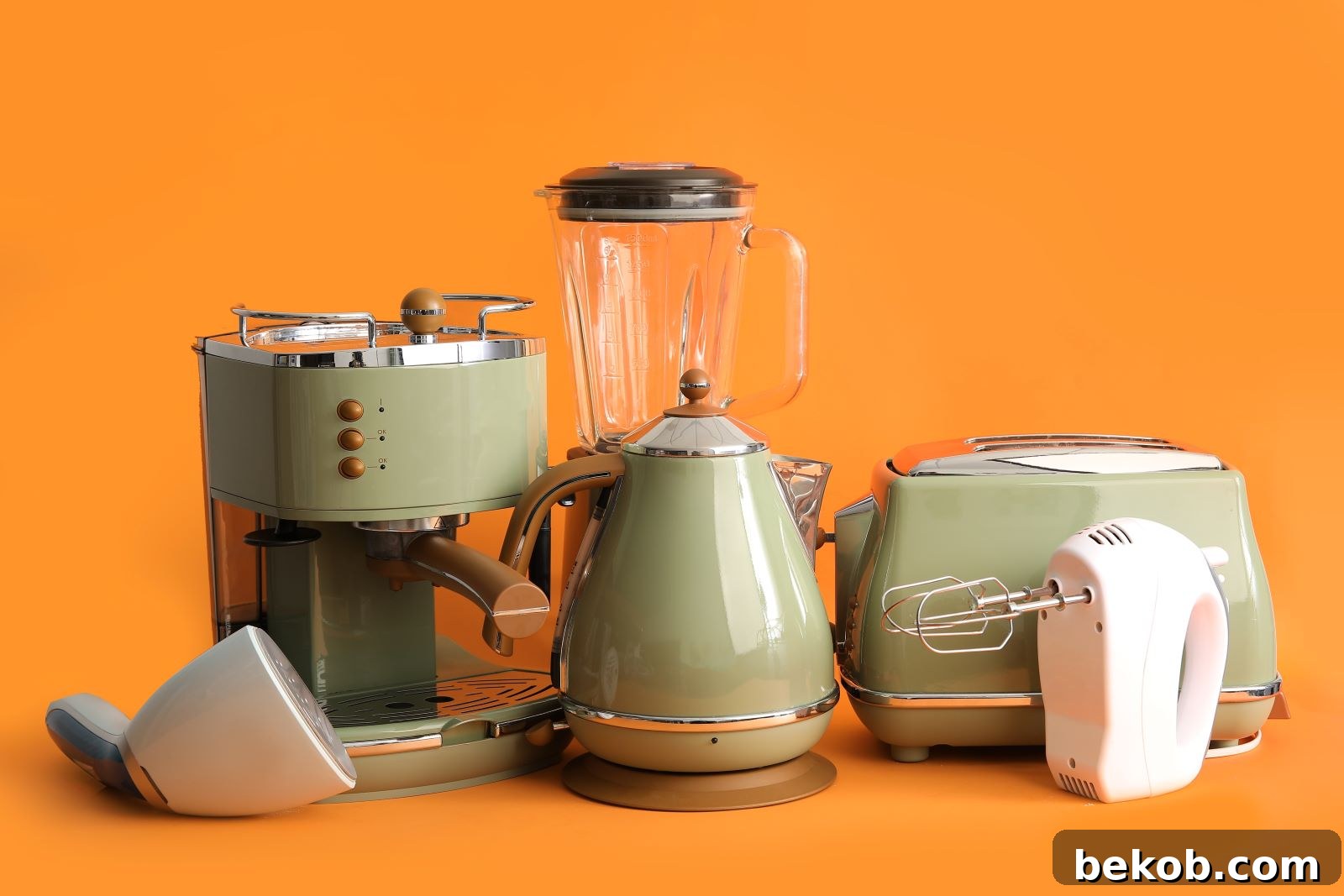
Ah, the unmistakable shade of avocado green, a vibrant hue that once dominated kitchen aesthetics and graced countless appliances. During the 1960s and 70s, this earthy yet bold color became a symbol of modern home design, offering a refreshing alternative to the traditional white and sterile chrome finishes. An avocado green refrigerator, oven, or dishwasher wasn’t just a functional item; it was a statement piece, reflecting a desire for more personality and warmth in the heart of the home. Its popularity was closely tied to a broader embrace of natural tones and a more relaxed, earthy vibe in interior décor.
If your kitchen still features appliances in this retro green hue, you’re not just looking at a working utility; you’ve got a true relic of mid-century design on your hands. These pieces are more than just old appliances; they are historical artifacts, telling a story of past domesticity and design choices. While modern kitchens often lean towards sleek stainless steel or minimalist white, the charm of avocado green endures for those who appreciate vintage aesthetics and a touch of nostalgic whimsy. Some contemporary designers are even reintroducing similar shades, proving that good colors, much like good design, often come full circle.
10. Conversation Pit
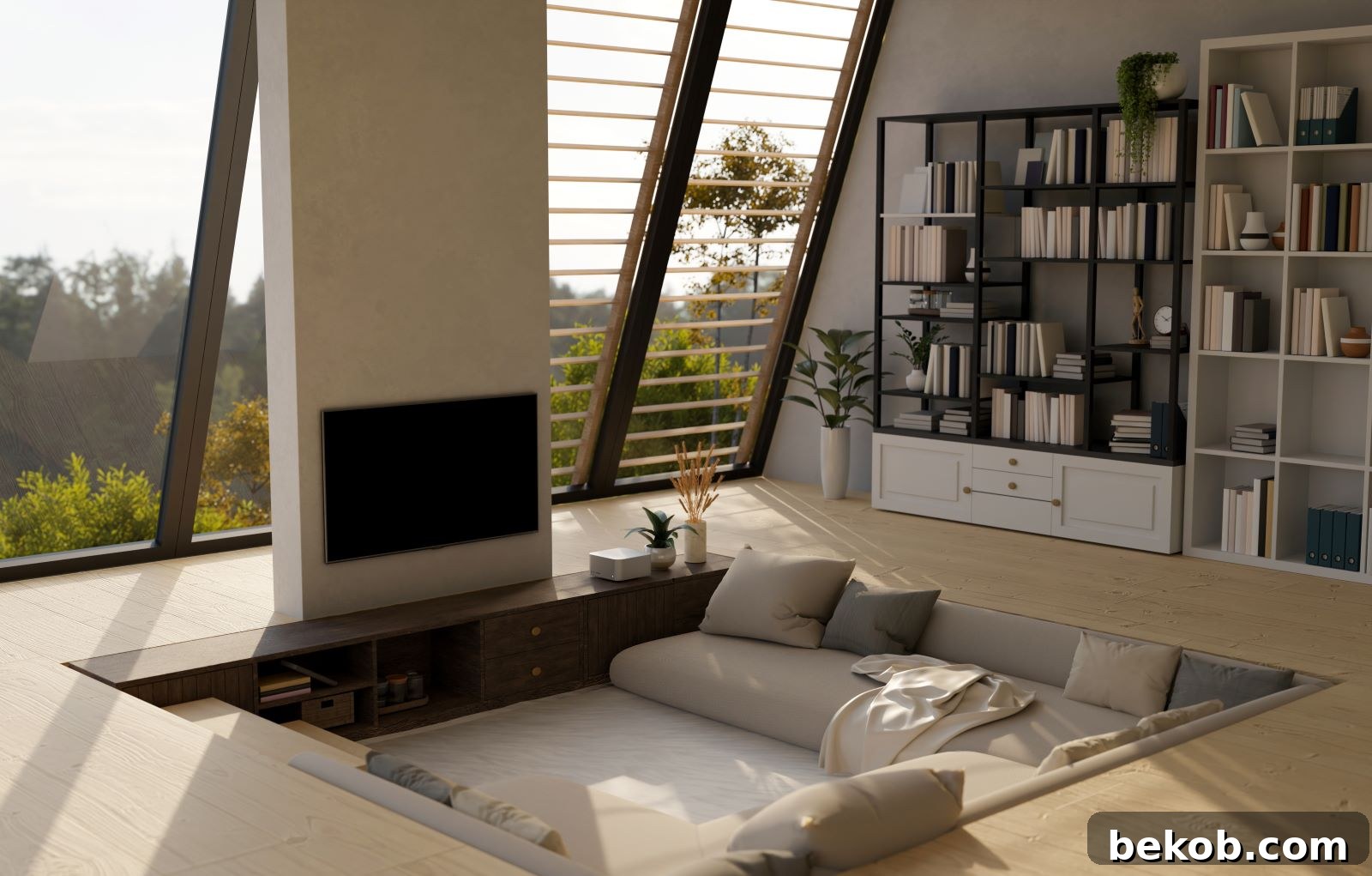
The conversation pit, a distinctive and often dramatic feature, was a hallmark of boomer-era living rooms, particularly popular in the 1960s and 70s. These sunken seating areas, typically centered around a fireplace or a coffee table, were ingeniously designed to foster intimacy and communal interaction. By lowering the floor level for a specific seating zone, architects and interior designers created a cozy, inviting, and often slightly secluded space that encouraged close conversations and social gatherings, hence its evocative name.
More than just a novel seating arrangement, the conversation pit was a symbol of a shift in lifestyle, moving towards more informal and interactive entertaining. It broke away from the traditional, rigid living room setups, offering a dynamic spatial experience. While less common in modern home designs, which often prioritize open-plan layouts and flexibility, spotting a well-preserved conversation pit today is like discovering a genuine design time capsule. These architectural gems are a testament to an era when home design was as much about fostering connection as it was about aesthetics, making them truly unique and captivating relics.
9. Shag Carpeting
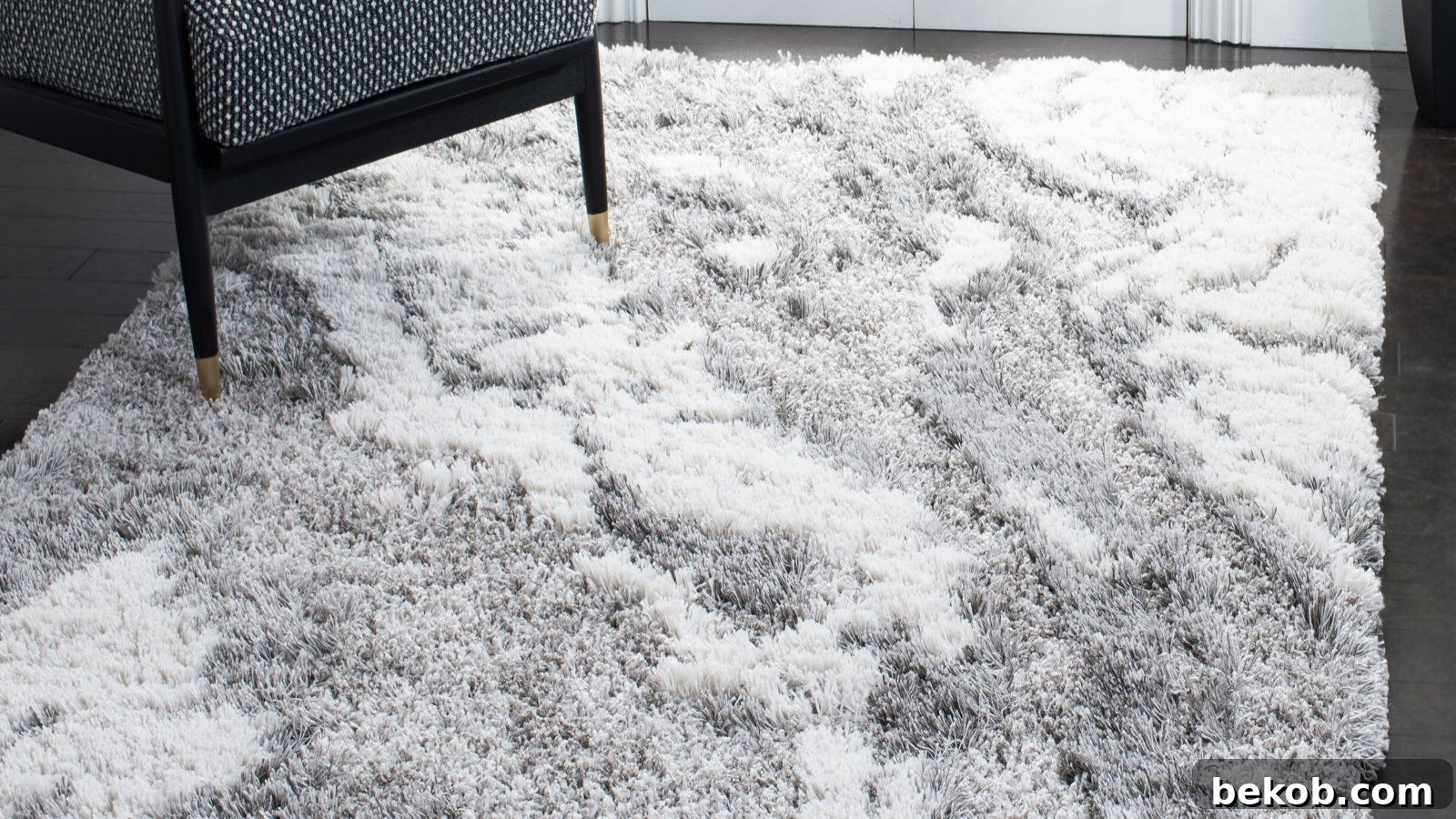
Shag carpeting was an undisputed superstar of 1970s interior design, embodying the decade’s penchant for texture, warmth, and a touch of free-spirited luxury. Characterized by its long, loose piles, shag carpet provided an unparalleled sensation of plush comfort underfoot, making any room feel instantly cozier and more inviting. It was more than just a floor covering; it was a sensory experience, often seen in a palette of earthy tones like avocado green, harvest gold, and burnt orange, perfectly complementing the era’s natural and bohemian aesthetics.
From wall-to-wall installations in living rooms and bedrooms to standalone shaggy rugs used to define seating areas, shag carpeting truly made a statement. While its maintenance could be challenging and its trend cycle eventually waned, its impact on home décor was undeniable. If your home still features authentic wall-to-wall shag or you’re lucky enough to own a classic shaggy rug, you’re not just standing on a carpet; you’re stepping directly back into an iconic period of design history, embracing a piece of true retro comfort.
8. Wood Paneling
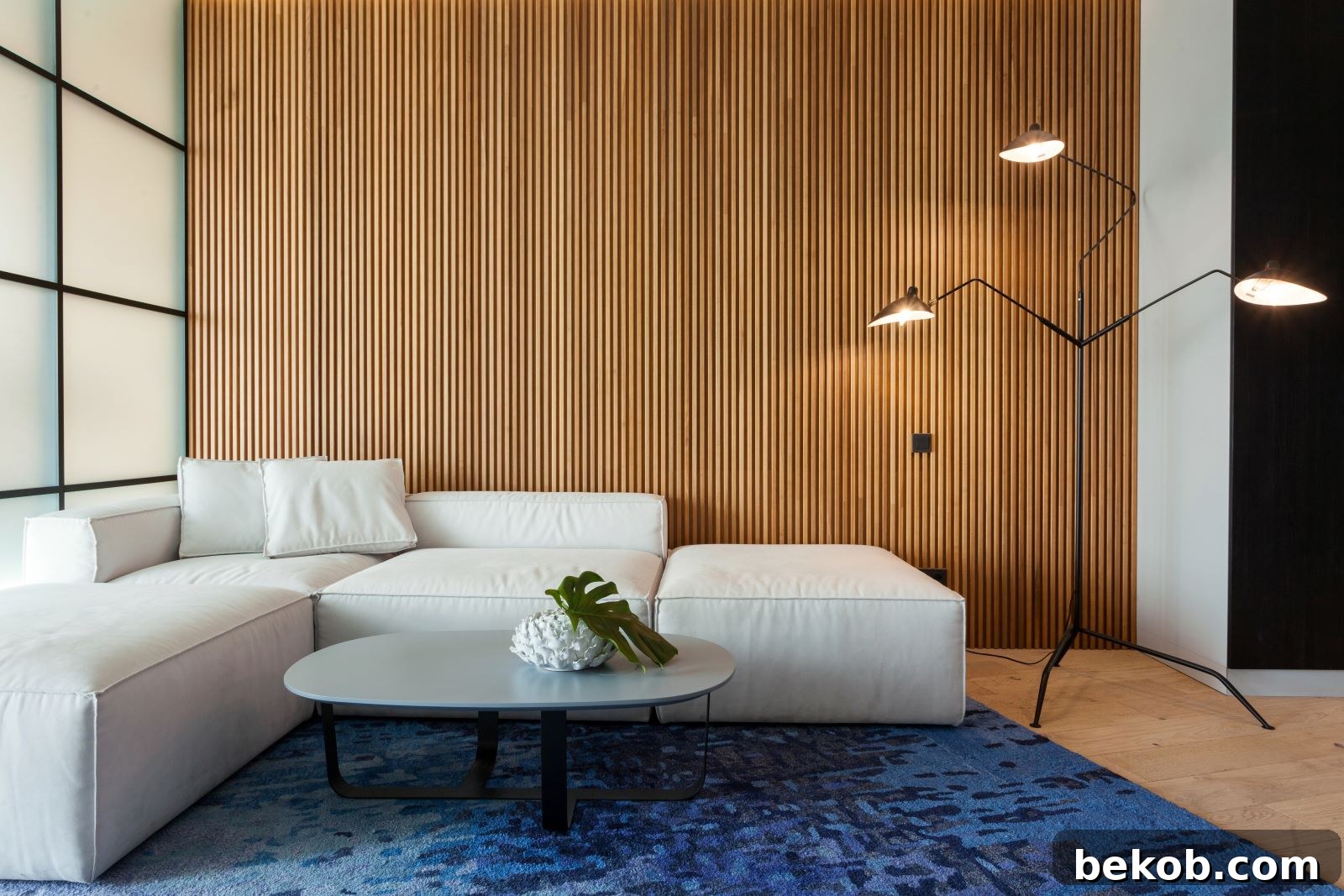
Wood paneling was a ubiquitous staple of interior décor throughout the 1970s and 80s, offering a sense of warmth, natural texture, and often, an easy way to cover up imperfections. Available in various finishes, from dark, rich mahogany tones to lighter, more casual pine, this wall treatment brought an inviting, den-like atmosphere to countless homes. It was particularly popular in basements, family rooms, and studies, creating a cozy and sometimes rustic ambiance that felt distinct from other areas of the house.
For many, wood paneling evokes a strong sense of nostalgia, conjuring images of vintage living spaces filled with warmth and character. While modern trends often favor painted walls or more refined wood accents, the classic, grainy look of full-room wood paneling remains an iconic representation of its era. If your walls proudly boast this distinctive finish, you’re not just living within a space; you’re channeling a tangible piece of the past, embracing a design choice that defined an entire generation of homes and continues to spark fond memories for many.
7. Popcorn Ceilings
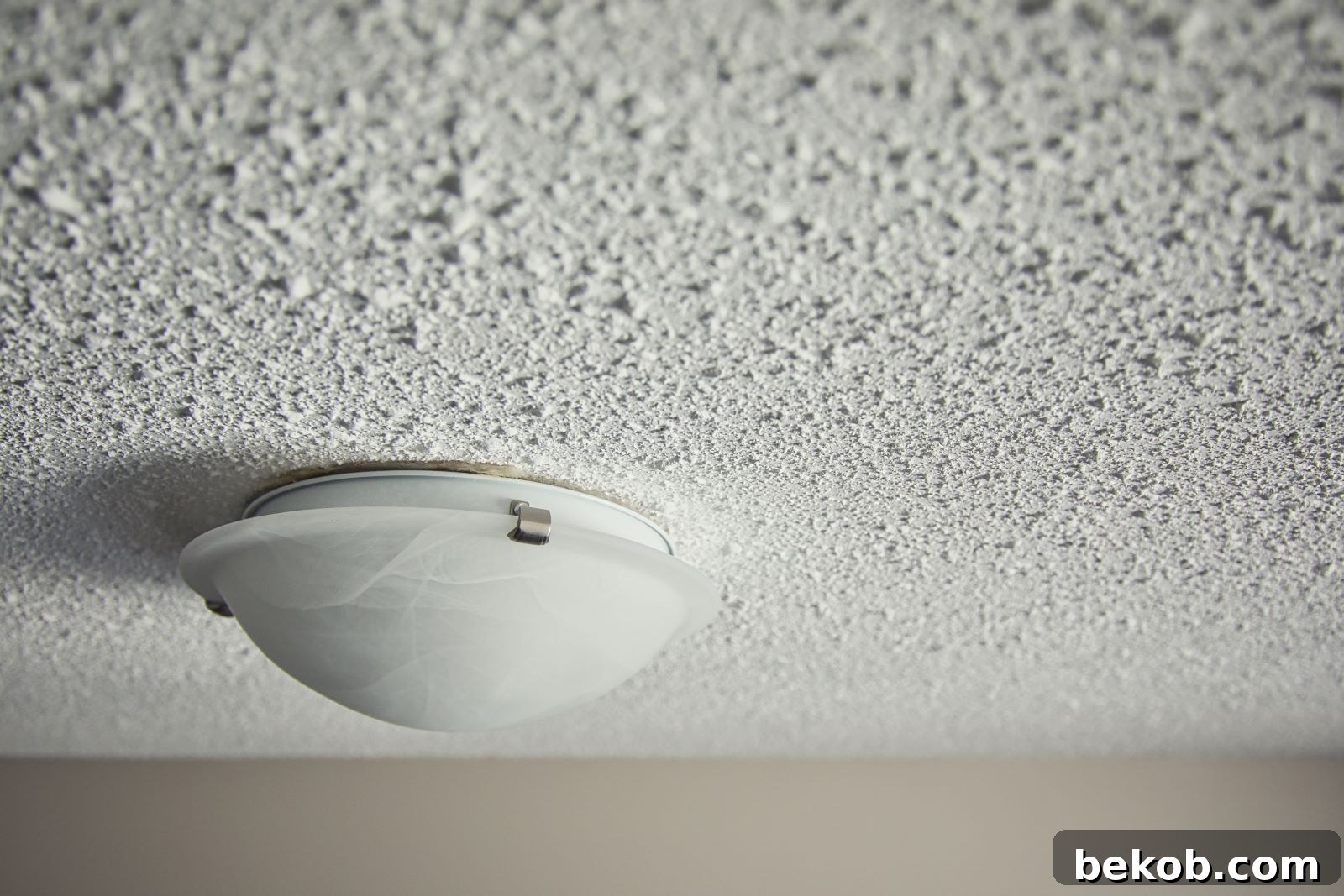
Popcorn ceilings, officially known as “acoustic ceilings” or “textured ceilings,” were once an incredibly widespread design trend, particularly from the 1950s through the 1980s. Their textured appearance, created by spraying a material containing small aggregates onto the ceiling surface, served multiple practical purposes. Primarily, they were praised for their ability to absorb sound, reducing echoes in living spaces, and perhaps more importantly, for their efficacy in hiding imperfections and blemishes on a ceiling without requiring extensive plasterwork or meticulous finishing. This made them a cost-effective and time-saving solution for builders and homeowners alike.
Despite their functional benefits, the aesthetic appeal of popcorn ceilings has faded over time, often viewed as dated in contemporary interior design. Modern preferences lean towards smooth, clean ceiling lines that contribute to a brighter, more open feel. However, if your ceiling still resembles a popcorn bucket, complete with its characteristic bumpy texture, you’re not just looking at an old finish; you’re preserving a bona fide décor relic. It’s a direct link to an era when functionality and quick solutions often influenced design choices, standing as a testament to the practicalities and trends of bygone decades.
6. Waterbeds
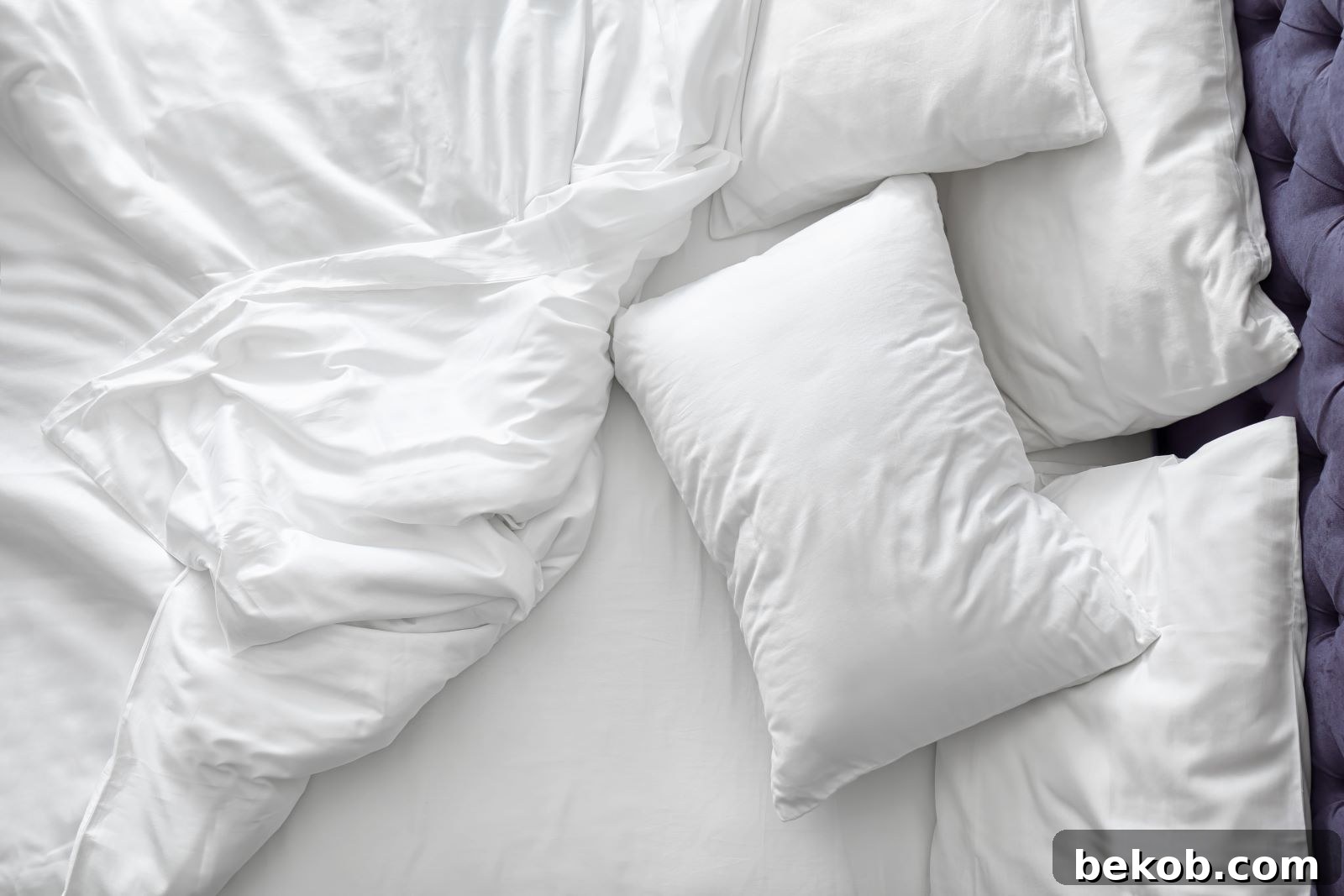
For many, waterbeds were the absolute epitome of ’70s and ’80s coolness, promising a revolutionary sleeping experience that transcended traditional mattresses. Invented in 1968, these fluid-filled beds quickly captured the imagination of a generation seeking comfort, novelty, and a touch of counter-cultural flair. The sensation of floating and the gentle, undulating movement offered a unique form of relaxation, leading to claims of improved sleep and even therapeutic benefits. They were often associated with a laid-back, bohemian lifestyle, appearing in movies and pop culture as symbols of contemporary living.
While the heyday of the waterbed eventually subsided due to concerns about leaks, weight, and the complexities of moving, their cultural impact was profound. They represented a bold departure from conventional bedding and an adventurous spirit in home furnishings. If you are among the few who are still catching Z’s on a waterbed, embracing its distinctive motion and warmth, you are truly keeping a significant piece of this vibrant era alive. You’re not just sleeping; you’re indulging in a genuine blast from the past, an enduring symbol of a bygone era’s quest for ultimate comfort and individuality.
5. Macramé Wall Hangings
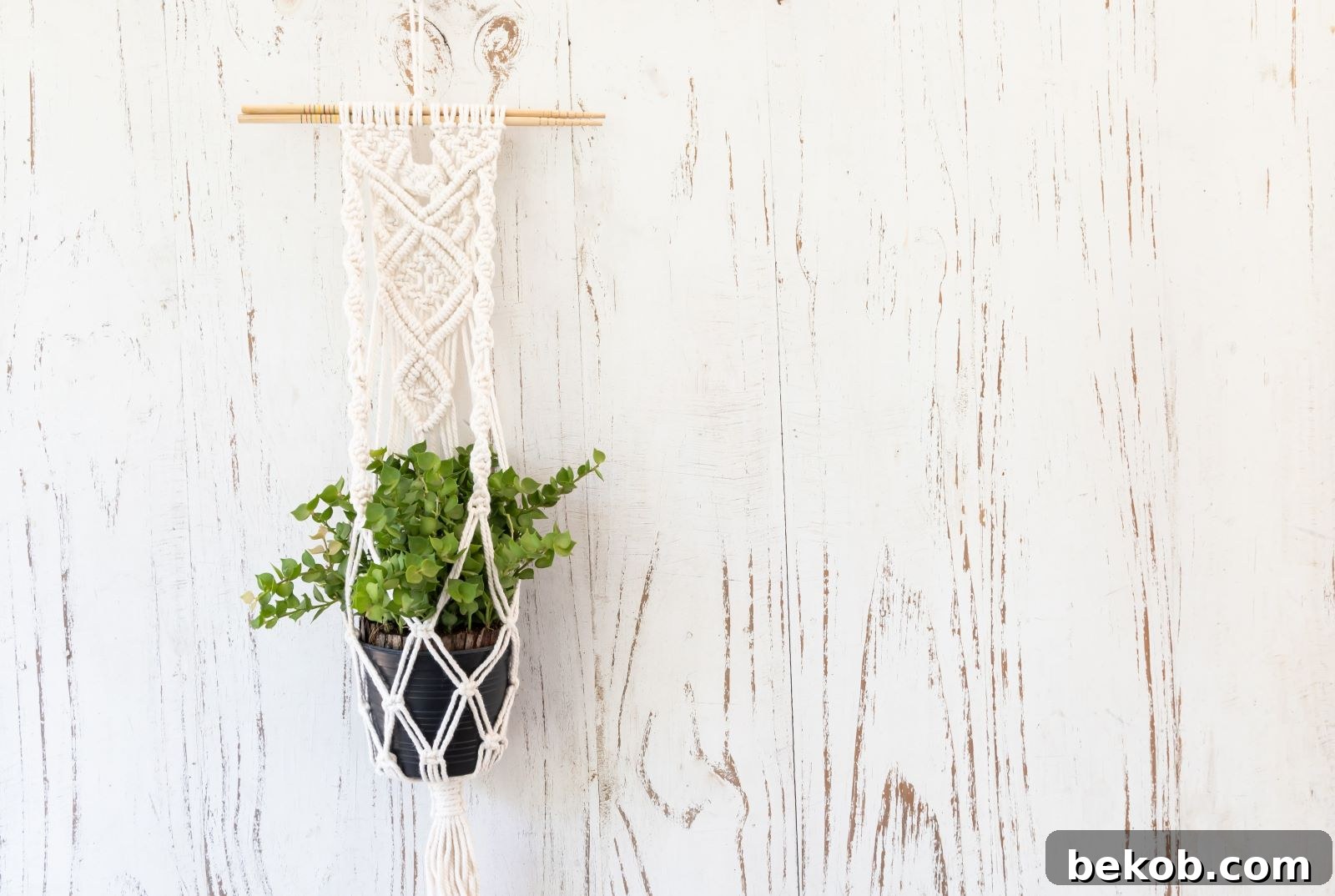
Macramé wall hangings were a quintessential element of home décor in the 1970s, perfectly encapsulating the era’s appreciation for handcrafted items, natural textures, and a burgeoning bohemian chic aesthetic. This intricate knot-tying technique, revived from earlier periods, became incredibly popular, allowing individuals to create unique and personalized art pieces for their homes. From elaborate wall tapestries featuring complex patterns and fringes to more functional items like plant hangers, macramé infused spaces with an organic, earthy charm.
The beauty of macramé lay in its versatility and the tactile quality it brought to interiors. Often crafted from natural fibers like jute, cotton, or hemp, these pieces added visual interest and a soft, artistic touch to otherwise plain walls. They complemented furniture made of natural wood, rattan, and wicker, forming a cohesive, relaxed interior style. Today, macramé has experienced a significant resurgence, proving its enduring appeal and adaptability. If you’ve got an original macramé wall hanging gracing your walls, you possess not just a decoration, but a genuine vintage gem that seamlessly blends artistic expression with timeless craft, bringing a touch of retro cool to any modern setting.
4. Lava Lamps
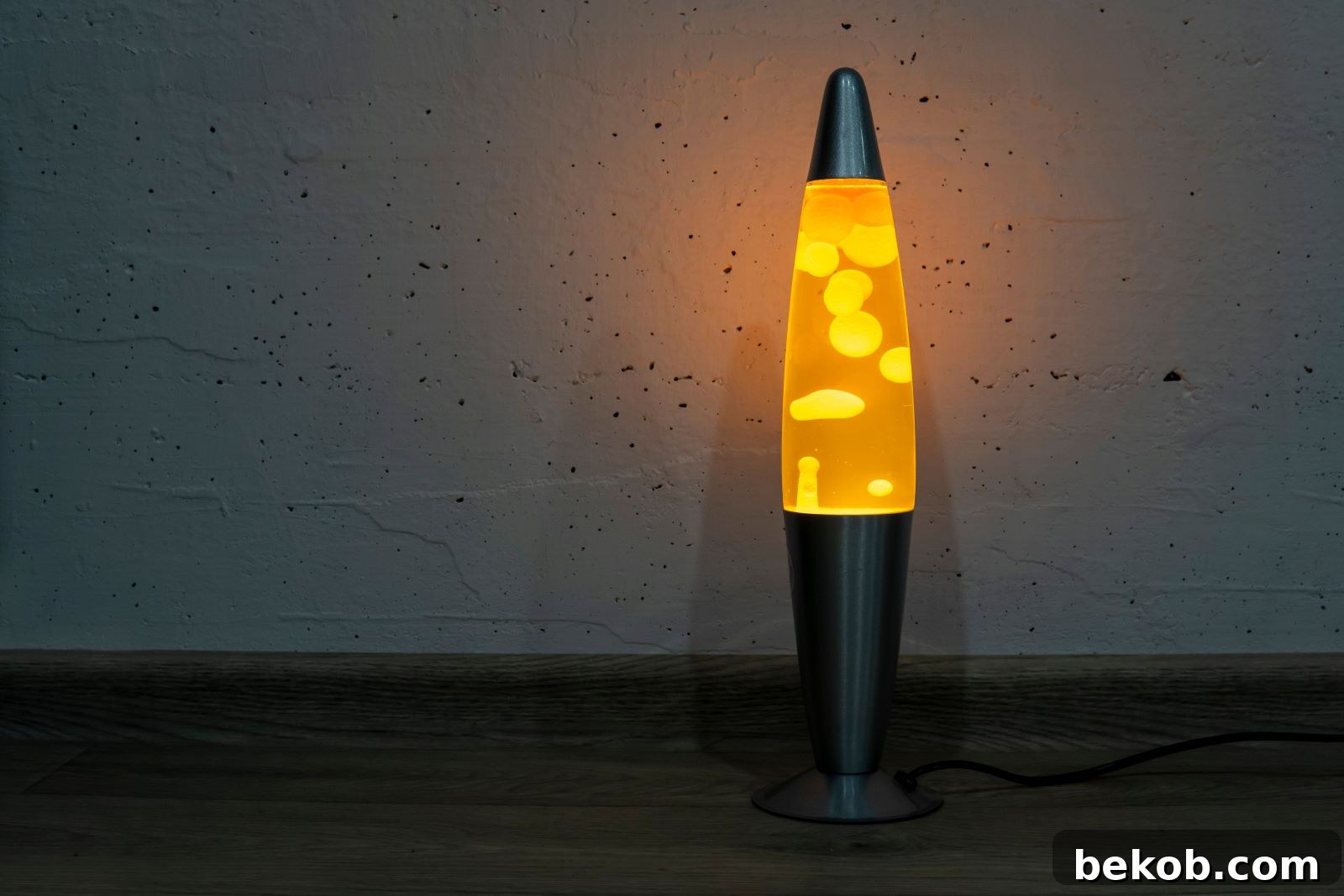
The mesmerizing, slow-motion dance of colorful wax within a lava lamp was a defining psychedelic sensation that captivated imaginations throughout the 1960s and 70s. More than just a lamp, it was a piece of kinetic art, a mood enhancer, and an iconic symbol of counter-culture and groovy aesthetics. Invented in 1963, these distinctive lamps quickly found their way into bedrooms, dorms, and living rooms, casting their unique, often hypnotic glow and adding an undeniable cool factor to any space.
The visual appeal of the lava lamp lies in its continuously shifting, organic shapes, which seemed to defy gravity and move with a life of their own. Available in a myriad of color combinations for both the wax and the liquid, they allowed for personal expression and added a touch of whimsical, trippy ambiance. Even today, the lava lamp retains its cult status, appealing to new generations as a retro novelty and a source of calming visual fascination. If you have one proudly casting its iconic, groovy glow in your home, you’re not just illuminating a room; you’re actively keeping the spirit of a vibrant and unforgettable era alive, reminding us of a time when decor was about experiencing wonder.
3. Bean Bag Chairs
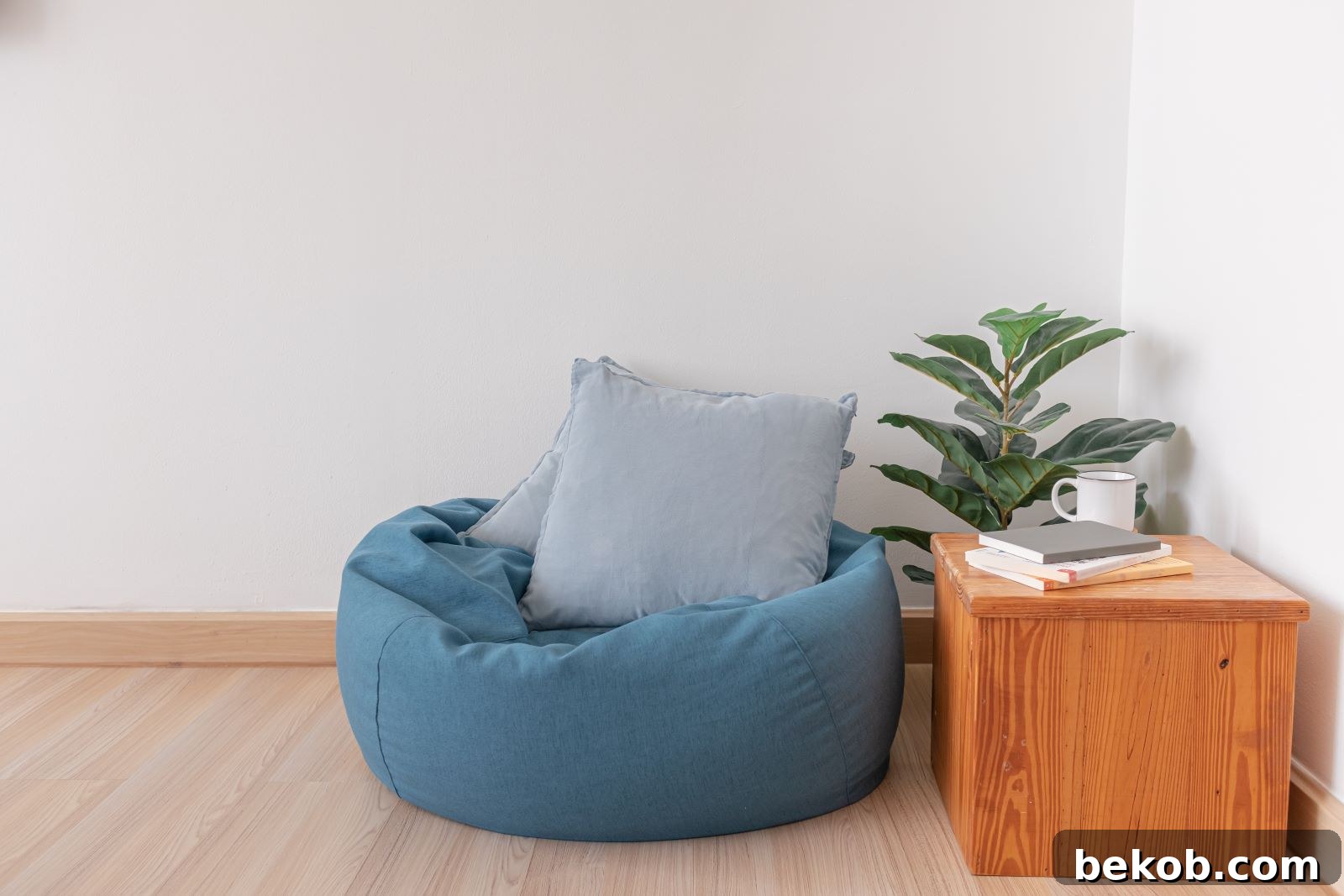
Bean bag chairs exploded onto the home furnishing scene in the late 1960s and early 1970s, quickly becoming the quintessential symbol of casual, unconventional seating. Eschewing the rigid frames and formal upholstery of traditional chairs, the bean bag offered a completely new way to lounge. Filled with small, malleable pellets, it molded to the contours of the body, providing unparalleled comfort and a relaxed, informal vibe that perfectly suited the era’s shift towards more laid-back lifestyles and interior design. They were particularly popular among younger generations, embodying a rebellious spirit against staid conventions.
More than just a piece of furniture, the bean bag chair represented a cultural statement, signifying comfort over formality and a playful approach to home décor. It was adaptable, easily moved from room to room, and came in a vast array of colors and fabrics, allowing for personal expression. While they may have seen a dip in popularity for a time, modern iterations have brought the bean bag back into vogue, redesigned with durable fabrics and eco-friendly fillings. If you find yourself sinking into one right now, enjoying its plush embrace, you’re not just lounging; you’re doing so in authentic, comfortable style, truly embracing the timeless, relaxed ethos of boomer-era living.
2. Rotary Phones
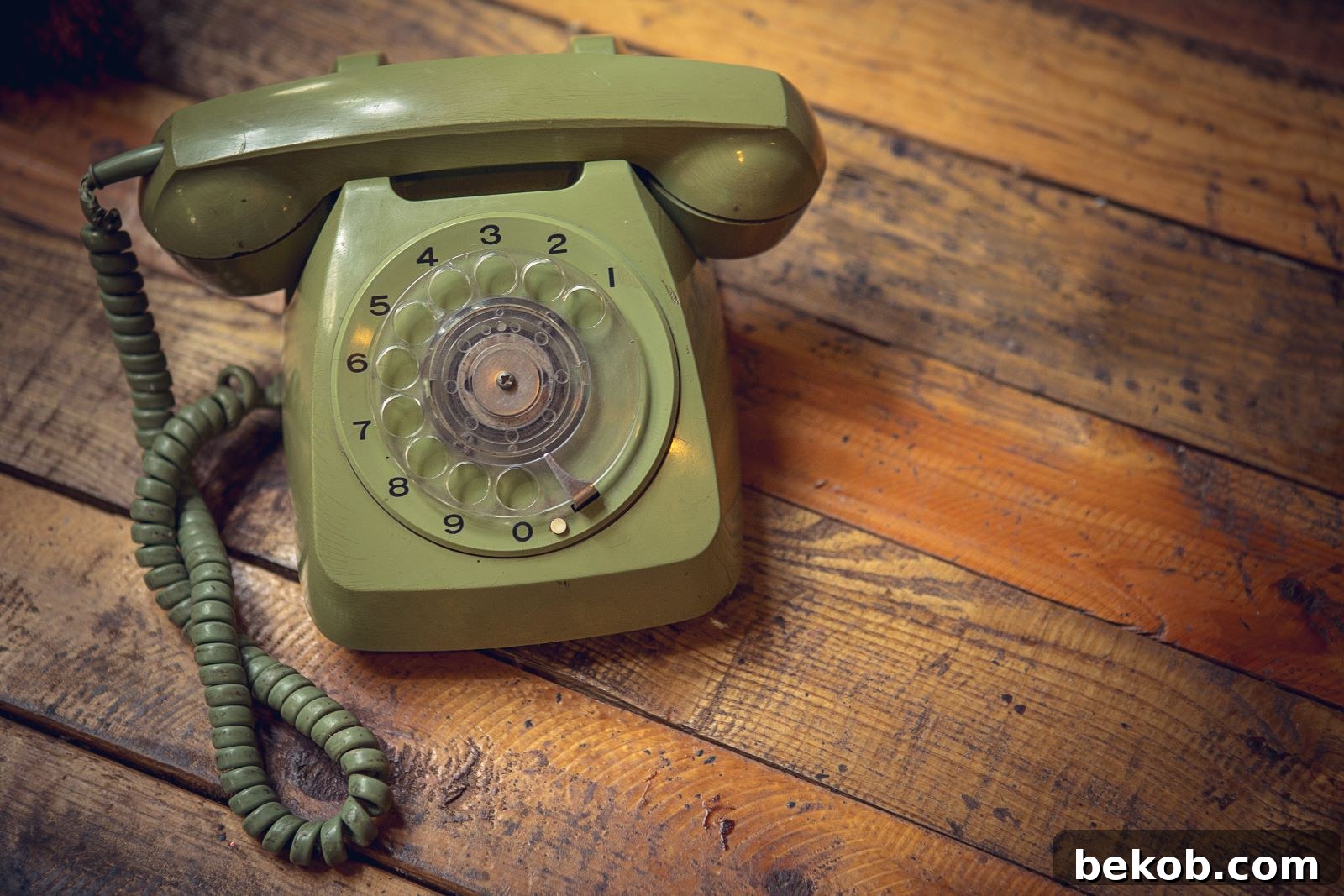
Before the lightning-fast keypads of touch-tone phones and the ubiquitous screens of smartphones, the rotary phone was the undisputed communication hub in countless households for decades. With its iconic circular dial, where each number had to be meticulously spun and released, it offered a tactile and undeniably satisfying dialing action. This device was a cornerstone of daily life, connecting families and friends across distances, and its presence was a constant in kitchens, hallways, and living rooms throughout much of the 20th century, particularly prominent during the boomer years.
The rotary phone was more than just a piece of technology; it was an experience. The distinct click-whir of the dial, the weighty receiver, and the often robust construction made it feel like a substantial and reliable tool. In an era where calls were a more deliberate act, the rotary phone fostered patience and focus in communication. Today, while purely functional rotary phones are rare, many are cherished as decorative objects or conversation pieces. If you still have one proudly displayed on a side table or desk, perhaps even connected to a landline for novelty, you’re not just preserving a vintage gadget; you’re a true throwback, honoring a piece of telecommunications history and the enduring charm of analog design in a digital world.
1. Brass Fixtures
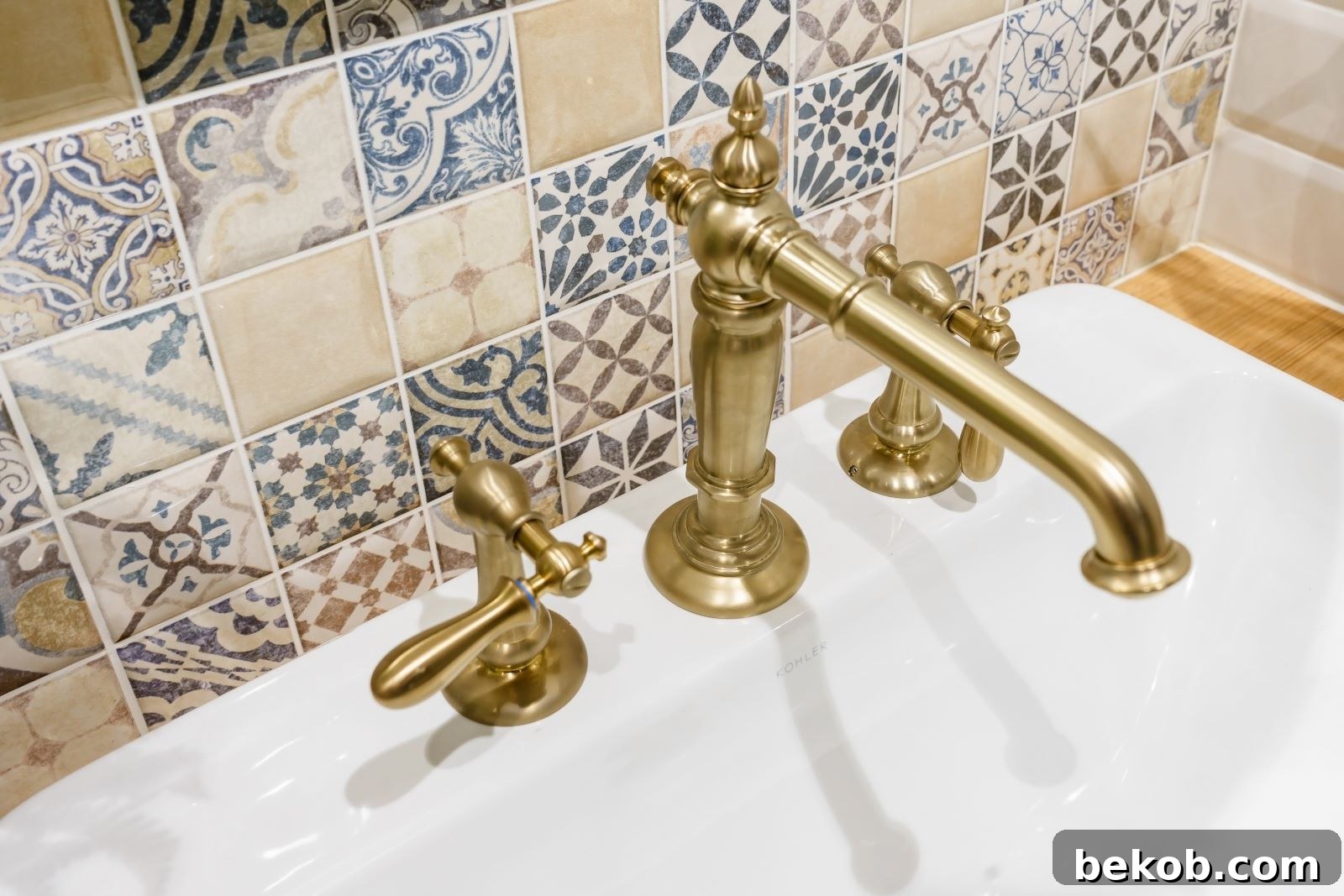
Brass fixtures and accents were undeniably all the rage throughout the 1980s, serving as a prominent symbol of luxury, sophistication, and a touch of opulent glamour in home design. From gleaming brass faucets and door handles to elaborate light fixtures and decorative trim, this lustrous metal adorned almost every corner of the contemporary home. Its warm, golden hue added a sense of richness and extravagance, perfectly complementing the decade’s maximalist tendencies and a general inclination towards bold, visible statements in décor.
The widespread use of polished brass reflected a desire for elegance and a touch of the classical, often seen in combination with lacquered surfaces, glass, and rich fabrics. While its pervasive presence eventually led to it being considered dated in subsequent decades, often replaced by cooler-toned chrome or brushed nickel, brass is currently experiencing a magnificent resurgence. Modern designers are now embracing brushed or unlacquered brass for its softer, more refined appeal, integrating it into both contemporary and traditional settings. If your home still boasts original brass faucets, intricate handles, statement light fixtures, or other elegant brass accents, you’re not just holding onto old hardware; you’re proudly keeping that era’s distinctive glamour alive and well, demonstrating an appreciation for enduring metallic charm that has circled back into high fashion.
In conclusion, the world of home décor is a fascinating tapestry woven with evolving styles, yet some elements possess an undeniable staying power. These relics from past decades, particularly those defining the boomer era, carry a unique charm and historical significance that transcends fleeting trends. Whether you consciously choose to integrate them into a modern aesthetic, proudly display them as vintage treasures, or simply find amusement in their retro appeal, they serve as delightful reminders of bygone eras and the stories they hold.
Each item, from the practical to the purely decorative, offers a window into the cultural nuances, technological advancements, and aesthetic preferences of its time. Embracing these pieces means acknowledging the rich history of interior design and the cyclical nature of trends, where what was once old often becomes new again. So, as you reflect on this journey through boomer home décor, did you spot any of these captivating relics in your own home? Whether you choose to wholeheartedly embrace the nostalgia, allowing these items to spark joy and conversation, or consider giving your space a thoughtful modern twist while respecting its past, the decision is entirely yours. Ultimately, home is where personal style, comfort, and history beautifully intertwine.
10 Budget-Friendly DIY Wall Decor Projects to Adore!
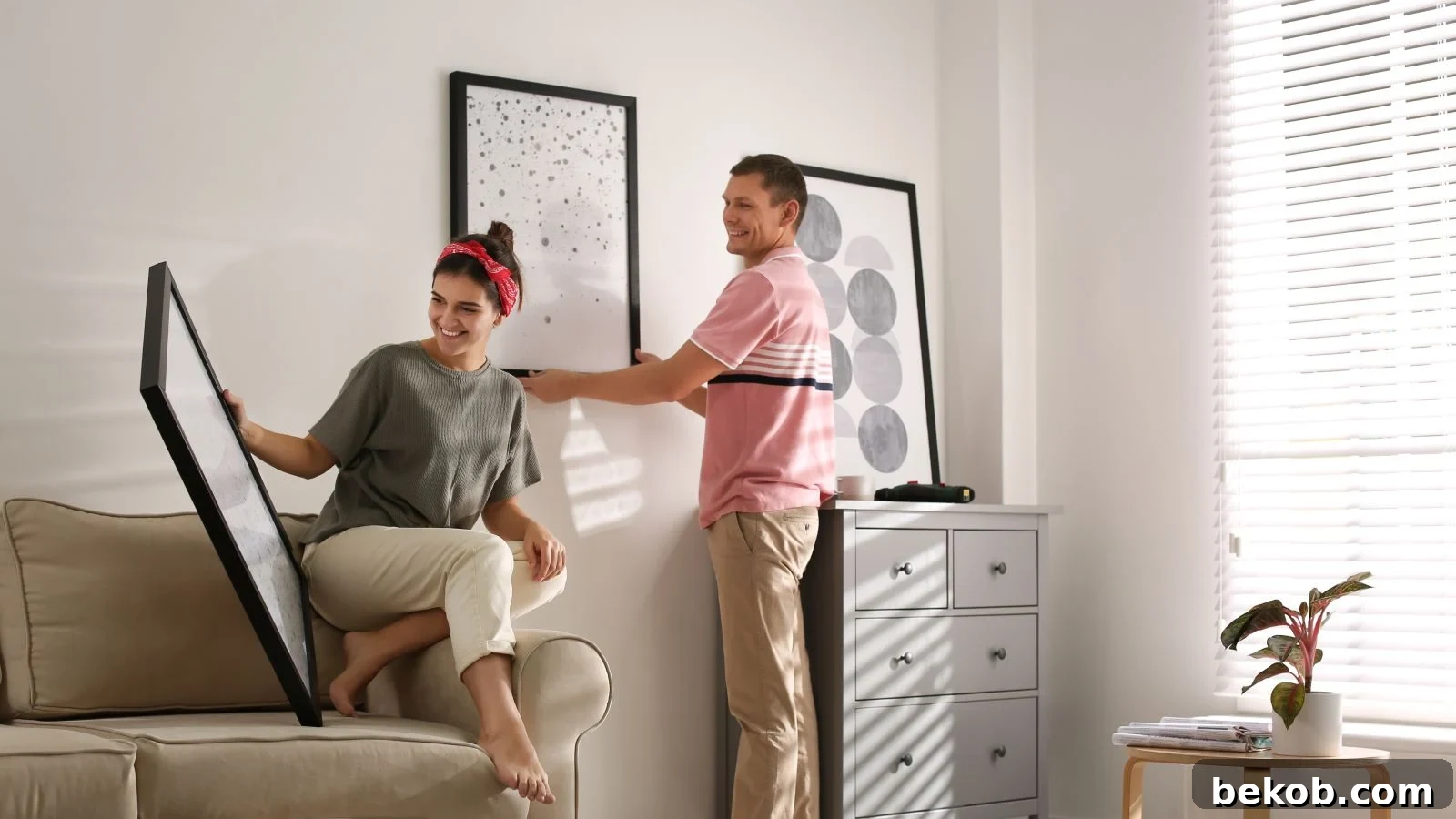
Are you yearning to infuse your living space with personality and charm but find yourself constrained by a tight budget? Say goodbye to bare, uninspiring walls! Transforming your home doesn’t require a hefty investment; sometimes, all it takes is a dash of creativity and a willingness to get hands-on. We’ve meticulously curated a fantastic list of 10 budget-friendly DIY wall decor projects that are not only easy to execute but are guaranteed to elevate your interiors and capture your heart. Discover how simple materials and imaginative ideas can make a significant impact.
DIY Wall Decor Ideas: Vintage Maps
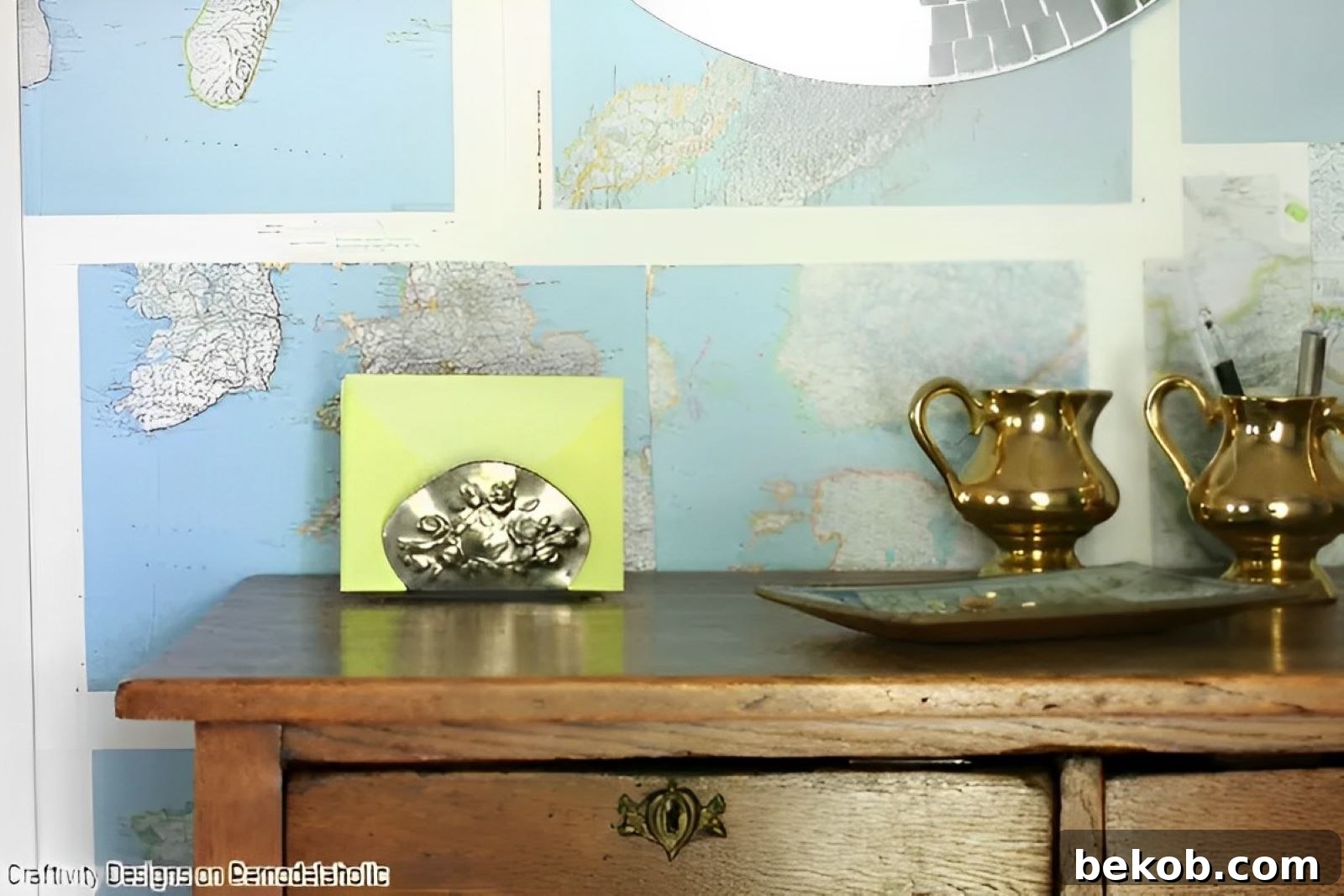
There’s an undeniable allure to vintage maps, with their intricate details, historical significance, and beautiful color palettes. They offer a unique blend of artistry and storytelling, making them an exceptional choice for adding character to your walls. Dive into our collection of favorite DIY wall decor ideas centered around vintage maps. Whether you’re looking to adorn a sprawling wall or craft an eclectic gallery display, these old-world charts provide an affordable, sophisticated, and visually engaging way to decorate, transforming any space into a traveler’s retreat or a history buff’s dream.
Home Trends Going Out of Style

While some vintage elements enjoy a timeless appeal, others have definitely run their course, transitioning from chic to decidedly passé. It’s time to hop aboard our design time machine and explore some home design trends that have unequivocally moved into the “so yesterday” category. We’re talking about those once-popular fads that now make us tilt our heads and wonder, “What were we thinking?” From overly specific color schemes to dated finishes, here are 15 outdated home trends that are long overdue for a major makeover, proving that not all design choices are destined for longevity.
What is a Terrible Home Design Trend?

The dream of building a new home is often filled with exciting possibilities and innovative design ideas. However, in the pursuit of modern aesthetics, it’s easy to fall prey to trendy features that might quickly become regrettable. We all want to avoid those significant design missteps that could lead to buyer’s remorse down the line. But what exactly constitutes a “terrible” new home trend? It’s about discerning between enduring style and fleeting fads. Discover the horrible new home trends that savvy homeowners aim to avoid, ensuring your dream home remains stylish, functional, and valuable for years to come, rather than becoming a quickly dated monument to a passing craze.
10 Home Renovations that can Decrease its Value

In today’s competitive housing market, with fluctuating interest rates and mortgage prices, maximizing your home’s value is more crucial than ever. While many renovations are undertaken with the aim of increasing appeal and worth, some well-intentioned projects can, surprisingly, have the opposite effect. Homeowners often invest significant time and money, only to find their efforts detract from, rather than add to, their property’s market value. To help you navigate these potentially costly pitfalls, we’ve gathered insights from experienced homeowners and real estate agents who share their wisdom on the renovations that could inadvertently decrease your home’s value and the reasons why. Here are the critical renovations to look out for, empowering you to make informed decisions that protect and enhance your investment.
Declutter Fast: 7 Items Experts Say Must Go!

Every home, regardless of its size or style, benefits immensely from organization and a thoughtful arrangement to truly exhibit its inherent beauty and functionality. A cluttered space can feel chaotic and uninviting, obscuring the charm and potential of your living environment. If your home is currently feeling untidy, overwhelming, or simply needs a fresh start, it’s time to take decisive action. We’ve consulted with leading decluttering experts to bring you their top tips for quickly streamlining your space. Here is a guide on how to declutter fast and get rid of seven key items that experts agree should be removed from your home right now! Prepare to reclaim your space and enjoy the serenity that comes with a well-organized and harmonious living area.