

Your home is more than just a place; it’s a profound reflection of your inner world and a sanctuary where you seek comfort, joy, and rejuvenation. It’s where memories are made, where you unwind after a long day, and where you gather with loved ones. Yet, even in the most cherished spaces, subtle and often overlooked elements can silently creep in, disrupting the harmonious atmosphere and profoundly impacting your overall well-being. These insidious “mood-killers” may not always be obvious, but their cumulative effect can transform a potential haven into a source of underlying stress or unease.
Understanding these silent threats is the first step towards reclaiming your home’s positive energy. This comprehensive guide will delve into twelve common yet overlooked factors that can diminish your home’s tranquil essence. More importantly, we’ll equip you with practical strategies and actionable advice to eliminate them, allowing you to cultivate a living environment that truly promotes positivity, serenity, and an elevated sense of comfort and belonging. Prepare to transform your residence into the ultimate sanctuary you deserve.
1. Clutter Chaos: Reclaiming Your Space and Mind

Clutter is perhaps one of the most pervasive and insidious mood-killers, extending far beyond mere untidiness. Visually, it creates a chaotic environment that bombards your senses, making it difficult for your mind to relax and focus. Psychologically, clutter can manifest as mental stress, anxiety, and a feeling of being overwhelmed. It can trigger feelings of guilt, shame, and a sense of unfinished business, constantly reminding you of tasks undone. Studies have shown that cluttered environments can even decrease productivity and increase cortisol levels, the stress hormone.
To combat clutter chaos, the solution lies in strategic decluttering and robust organization. Start by assessing each room with a critical eye, identifying items that no longer serve a purpose or bring you joy. Adopt decluttering methodologies like the “KonMari method” of keeping only items that “spark joy” or the “four-box method” (keep, donate, trash, relocate) to streamline the process. Regularly donate or dispose of items you no longer need, use, or love. The goal is to ensure that every single item in your home has a designated, logical spot. This isn’t just about tidiness; it’s about creating a streamlined system that supports mental clarity and reduces decision fatigue. A clutter-free space is a clear mind, promoting peace and facilitating a more positive daily experience.
2. Harsh Lighting: Illuminating Your Mood
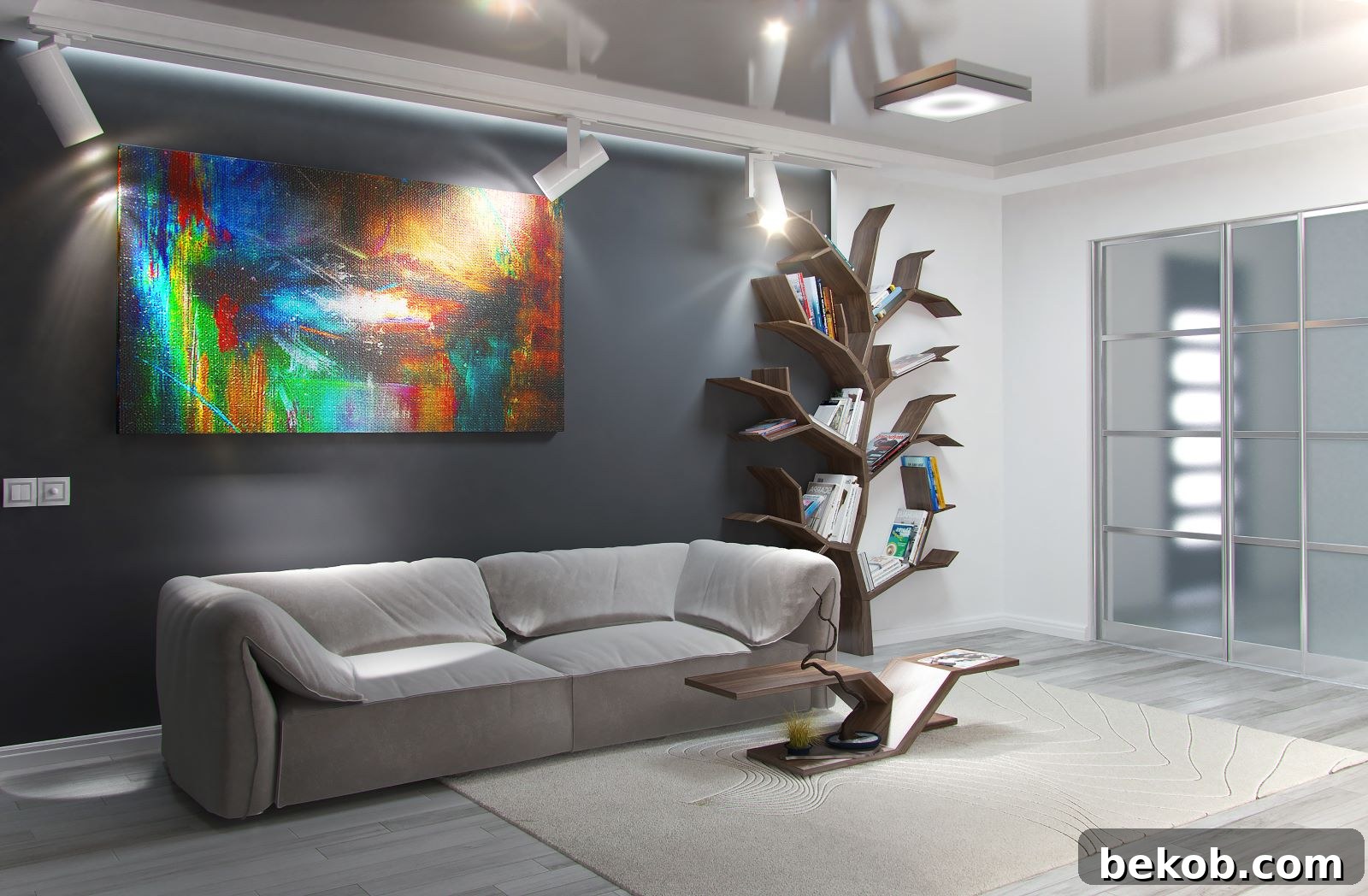
Lighting is a fundamental, yet often overlooked, element in shaping the ambiance and mood of your home. Overly bright, stark, or poorly placed lighting can be a significant mood-dampener, contributing to eye strain, headaches, and an overall feeling of discomfort or agitation. Just as natural light influences our circadian rhythms, artificial lighting impacts our energy levels, productivity, and emotional state. Harsh overhead lights, for instance, can create unflattering shadows and an institutional feel, making a space feel cold and uninviting.
To cultivate a truly warm and inviting atmosphere, thoughtful lighting design is essential. Invest in soft, adjustable lighting options that allow you to control brightness and color temperature. Incorporate dimmer switches on overhead fixtures to customize intensity for different activities or times of day. Layer your lighting with a mix of ambient (general illumination), task (for reading or cooking), and accent (to highlight features) sources. Table lamps, floor lamps, and even strategically placed candles can add warmth, create cozy nooks, and introduce pockets of inviting light. Opt for bulbs with warmer color temperatures (around 2700K-3000K) to promote relaxation and comfort, mimicking the natural glow of sunset. Maximizing natural light with sheer curtains or strategically placed mirrors can also amplify brightness without harshness, creating an environment that adapts to your needs and elevates your mood.
3. Loud Background Noise: Finding Your Quiet Haven

The incessant hum of constant background noise, whether from busy traffic outside, construction work, or noisy neighbors, can be a silent assault on your peace of mind and overall well-being. Chronic exposure to unwanted noise can lead to increased stress levels, sleep disturbances, reduced concentration, and even contribute to elevated blood pressure. It prevents your home from being the tranquil retreat it should be, constantly keeping your mind on edge.
To minimize these disturbances and restore a sense of calm, consider various soundproofing and sound-masking strategies. Heavy, insulated curtains or drapes can significantly dampen outside noise, especially when paired with double-pane windows. Acoustic panels, strategically placed on walls, can absorb sound within a room, reducing echoes and improving overall sound quality. For more significant external noise, weatherstripping around doors and windows can seal gaps and block sound infiltration. Internally, soft furnishings like rugs, carpets, upholstered furniture, and wall hangings can absorb sound and make a room feel quieter. Additionally, incorporating gentle, soothing sounds, such as soft instrumental music, white noise machines, or nature soundscapes (like rainfall or ocean waves), can effectively mask unwanted noises, creating a peaceful auditory environment that supports relaxation and focus.
4. Unsightly Wires and Cords: Streamlining for Serenity
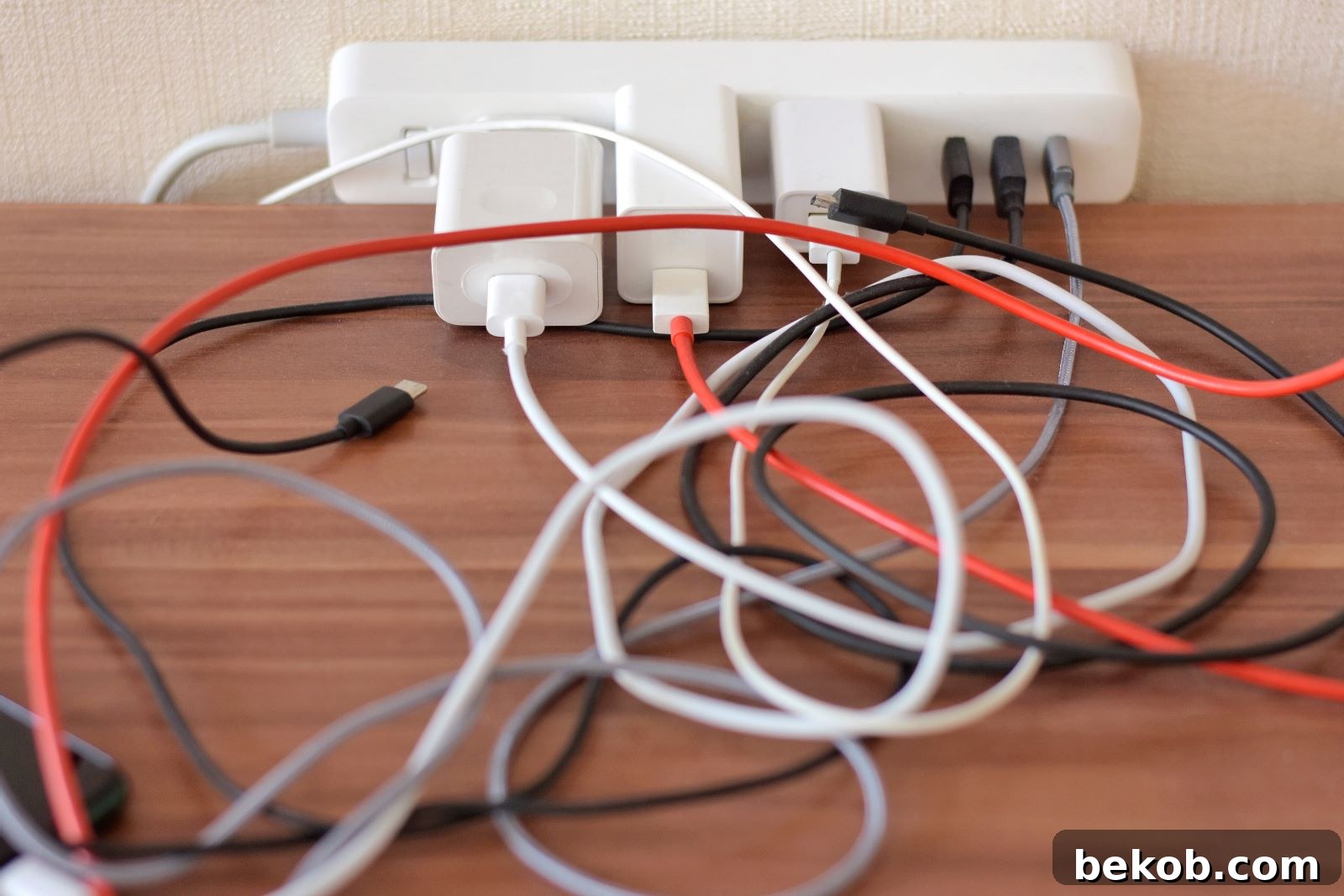
In our increasingly digital world, a myriad of electronic devices often brings with them a spaghetti-like tangle of wires and cords. Far from being a minor aesthetic inconvenience, these unsightly bundles can make even the tidiest room appear messy, disorganized, and visually overwhelming. They create visual “noise” that can subtly contribute to feelings of stress and a sense of disorder, detracting from the peaceful ambiance you strive to achieve. Moreover, tangled wires pose a potential tripping hazard and can collect dust, making cleaning more challenging.
The good news is that managing wires is a relatively simple fix that yields significant aesthetic and psychological benefits. Invest in effective cable management solutions to conceal and organize them. Cable management boxes can discreetly hide power strips and excess cords. Adhesive cable clips can secure wires neatly along baseboards or furniture legs, preventing them from sprawling across the floor. Spiral cable wraps or velcro ties can bundle multiple cords together, creating a cleaner, single line. For more permanent solutions, consider installing wire channels that can be painted to match your walls. By taking the time to tame the wire beast, you’ll not only create a neater and more visually pleasing environment but also enhance safety and reduce the subtle stress of visual clutter, contributing to a more serene and organized home.
5. Uncomfortable Furniture: The Foundation of Relaxation

Your home should be a haven of comfort, and the furniture within it plays a pivotal role in achieving this. Uncomfortable furniture can quickly ruin your mood, turning moments of intended relaxation into experiences of physical discomfort and frustration. Whether it’s a sofa that offers no support, a dining chair that aches your back, or a bed that leads to restless nights, furniture that doesn’t meet your ergonomic needs can subtly but significantly detract from your overall well-being and the enjoyment of your living space. It impedes your ability to truly unwind, read a book, watch a movie, or simply sit comfortably.
Investing in ergonomic and cozy seating is paramount to creating a home that truly invites relaxation. Prioritize comfort as much as aesthetics when selecting furniture. When buying sofas or chairs, sit in them for an extended period to assess their support and cushioning. For workspaces, an ergonomic chair that supports proper posture is crucial. Ensure your chosen furniture not only complements the room’s aesthetics but also serves its primary purpose of providing comfort and relaxation. Consider adding soft throws, plush pillows, or supportive cushions to enhance existing pieces. Remember, furniture is an investment in your daily comfort and quality of life. A home filled with comfortable, supportive pieces actively promotes physical ease and mental tranquility, ensuring every moment spent at home is truly restorative.
6. Foul Odors: A Breath of Fresh Air

Our sense of smell is incredibly powerful, deeply linked to memory and emotion. Unpleasant odors, whether lingering from cooking, emanating from pets, dampness, trash, or stale air, can be major mood-killers and immediately make a home feel less inviting and even unhygienic. They can trigger negative reactions, make guests uncomfortable, and prevent you from fully enjoying your own space, creating a pervasive sense of unease or irritation.
Maintaining a consistently pleasant and inviting scent in your home is crucial for fostering a positive atmosphere. The first step is always to identify and eliminate the source of the odor. This includes regular cleaning, taking out the trash frequently, addressing pet accidents promptly, and ensuring proper ventilation, especially in kitchens and bathrooms. Once the source is dealt with, you can enhance the ambiance with various pleasant scents. Air fresheners offer quick solutions, but essential oil diffusers provide a more natural and customizable approach, allowing you to choose scents like lavender for relaxation, citrus for energy, or peppermint for focus. Natural deodorizers such as bowls of baking soda, activated charcoal, or even sliced lemons can absorb lingering smells. Regularly opening windows to air out your home, especially after cooking, is also vital. A home that smells fresh and clean is instantly more welcoming, uplifting, and conducive to a positive mood, creating a sensory experience that enhances comfort and tranquility.
7. Neglecting Greenery: Bringing Nature Indoors
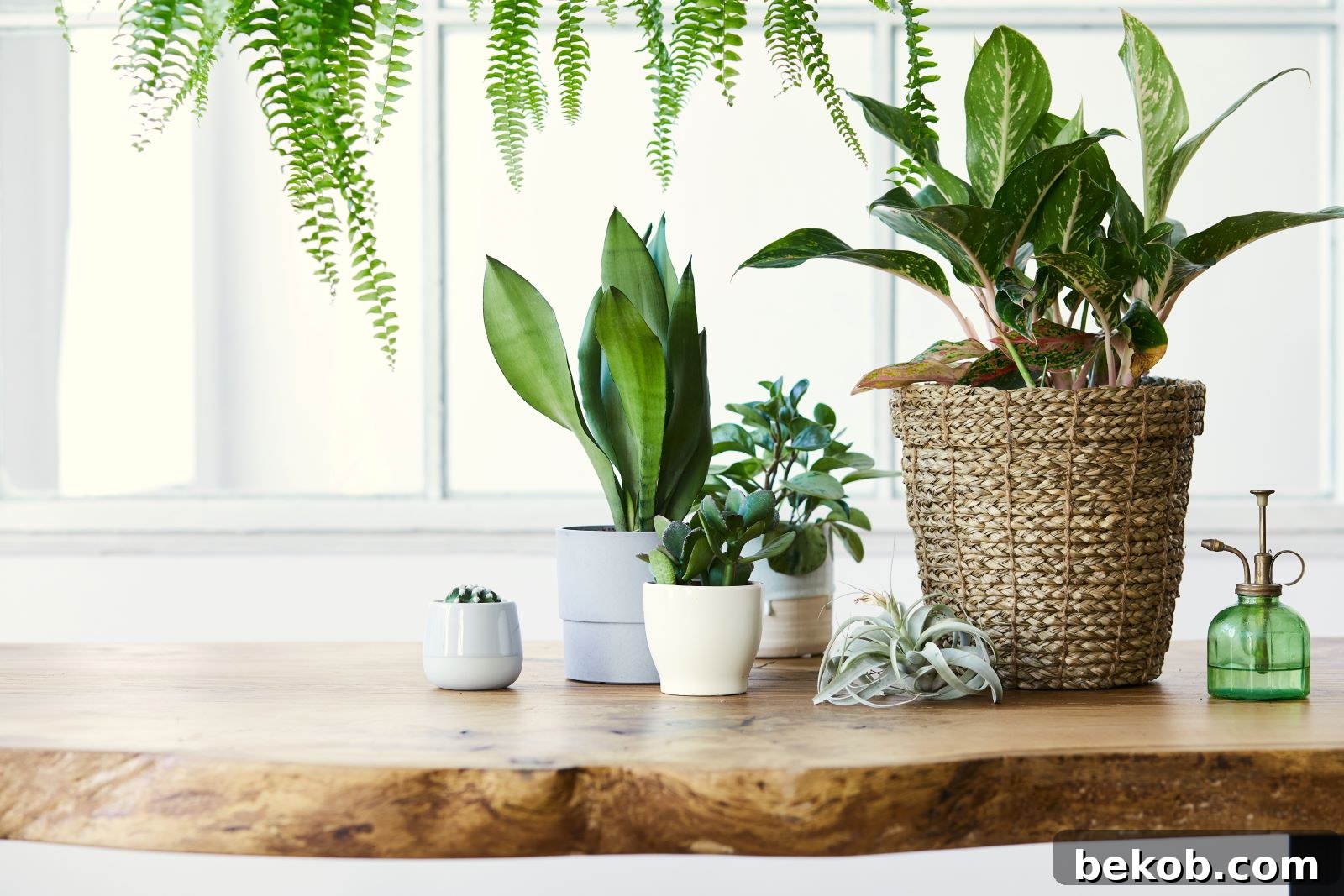
The absence of greenery can make a home feel sterile, cold, and lifeless, disconnecting residents from the natural world. In contrast, houseplants offer a multitude of benefits that extend far beyond mere decoration. They are living elements that infuse a space with vitality, color, and a refreshing sense of calm. Beyond their aesthetic appeal, many indoor plants actively purify the air by absorbing toxins and releasing oxygen, contributing to a healthier indoor environment. Research consistently shows that being surrounded by nature, even indoors, can reduce stress, improve mood, and boost concentration and creativity.
Incorporating a variety of indoor plants is a simple yet incredibly effective way to elevate your mood and enhance your living space. Consider plants known for their air-purifying qualities, such as snake plants, ZZ plants, or peace lilies. For a pop of color, orchids or African violets can be wonderful additions. Succulents and cacti are excellent choices for those seeking low-maintenance options. Think about plant placement: a large fiddle-leaf fig can make a statement, while smaller pothos or philodendrons can trail gracefully from shelves. Grouping plants together can create a lush, mini-ecosystem. Even a few well-chosen plants can transform a dull room into a vibrant, breathable sanctuary, fostering a stronger connection to nature and significantly boosting your overall well-being.
8. Dull Color Schemes: Infusing Vibrancy into Your Home
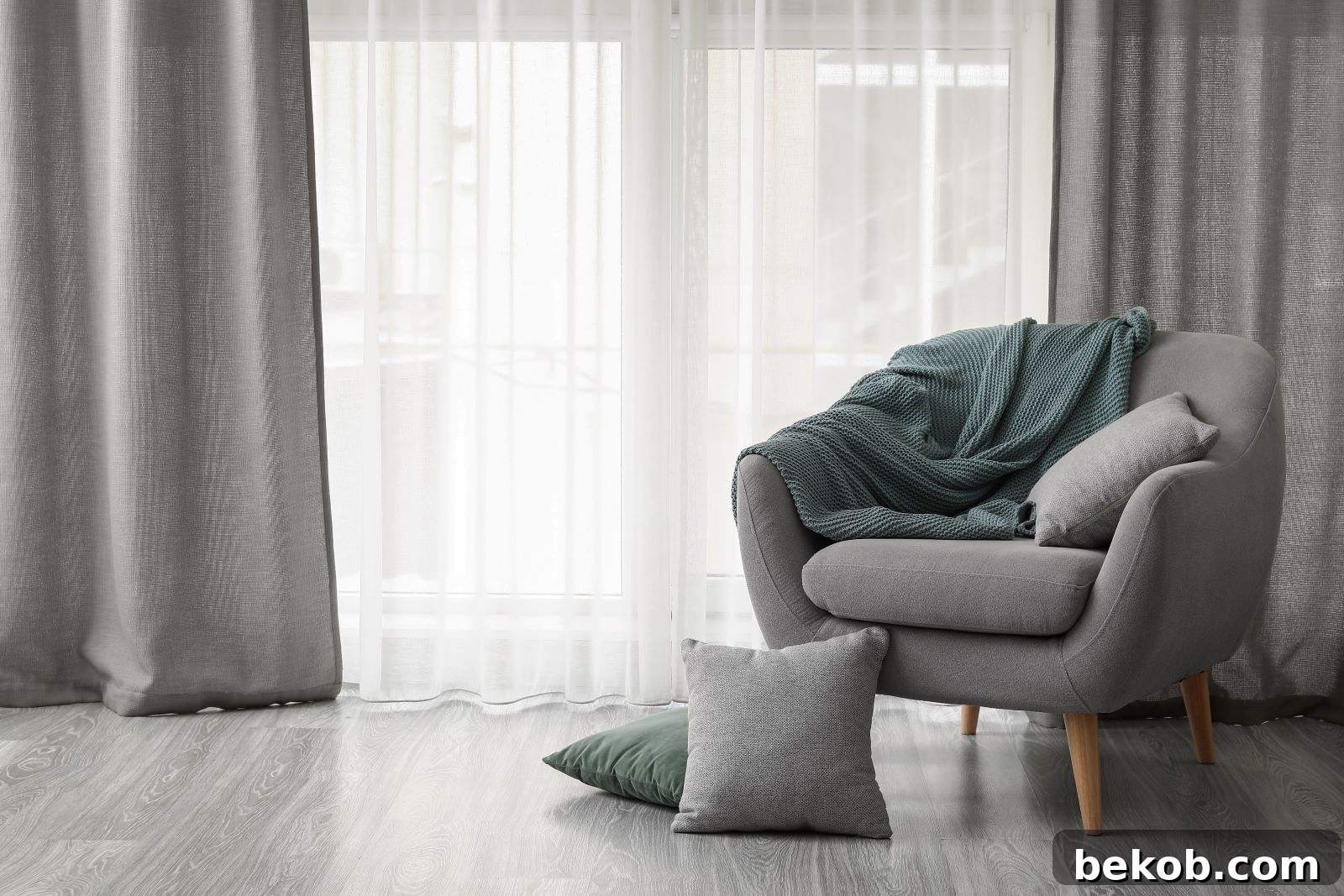
The colors you choose for your home have a profound psychological impact, influencing your energy levels, emotions, and overall sense of comfort. A drab, monotonous, or overly neutral color scheme, while sometimes intended to be calming, can inadvertently create a sense of boredom, lack of inspiration, and even sadness or apathy. If your walls, furniture, and decor all blend into a single, uninspired palette, your home might feel stagnant rather than dynamic and uplifting.
To inject life and positive energy into your home, consider the power of color psychology. You don’t need a complete overhaul; strategic injections of color can make a significant difference. Start by introducing vibrant accents through accessories like throw pillows, blankets, rugs, or curtains. Artwork is another fantastic way to bring color and personality into a room, serving as focal points that draw the eye and spark conversation. Consider a bold accent wall in a color that resonates with you – a serene blue for calm, a cheerful yellow for energy, or a sophisticated green for balance. Even small decorative items like vases, books, or candles in bright hues can uplift your mood. Experiment with colors that evoke positive emotions and reflect your personality. By thoughtfully incorporating a lively palette, you can transform your home from dull to dynamic, creating a space that inspires joy, creativity, and a revitalized sense of well-being.
9. Inadequate Storage: Mastering Organization

A lack of proper, efficient storage is a primary culprit behind pervasive clutter and chronic disorganization, leading to a host of problems that undermine home harmony. When belongings don’t have a designated place, they inevitably end up scattered, creating visual chaos, frustrating searches for items, and making cleaning a daunting task. This constant state of disarray can contribute to feelings of stress, overwhelm, and a sense of losing control over your living environment, significantly dampening your mood and reducing the enjoyment of your space.
To truly combat clutter and foster an organized home, investing in smart, efficient storage solutions is absolutely essential. Think vertically by utilizing tall shelving units, wall-mounted cabinets, or bookcases that draw the eye upward and maximize unused space. Multi-functional furniture, such as storage ottomans, coffee tables with hidden compartments, or beds with built-in drawers, can brilliantly blend style with practicality. Consider modular storage systems that can be customized to fit your specific needs and grow with your collection of belongings. For smaller items, decorative baskets, bins, and drawer organizers can keep things tidy and accessible. Hidden compartments or cleverly integrated storage can maintain a minimalist aesthetic while keeping essentials close at hand. By intelligently incorporating adequate storage throughout your home, you’ll not only keep your belongings in order but also reclaim valuable floor space, reduce visual noise, and foster a calmer, more functional, and harmonious living environment.
10. Negative Memories and Cluttered Décor: Curating Positive Vibes

Our homes are repositories of our lives, filled with items that carry stories, emotions, and memories. However, sometimes we unknowingly hold onto objects that evoke negative memories, remnants of past struggles, broken relationships, or simply items that no longer resonate with our current selves. Similarly, an overcrowded display of decor, even if individually beautiful, can create a sense of visual clutter and overwhelm, preventing your living space from feeling truly serene and reflective of your aspirations. These items, consciously or unconsciously, can weigh down the energy of your home and your spirit, making it difficult to move forward or find peace.
To foster an environment of positivity and peace, it’s crucial to thoughtfully curate your decor. Begin by assessing each decorative item: does it bring you joy? Does it evoke a positive memory? Does it align with who you are now and who you aspire to be? If an item carries a heavy or negative association, consider respectfully letting it go. Streamline your decor to reflect a sense of calm, intention, and personal style. This doesn’t mean bare walls; rather, it’s about thoughtful selection. Choose pieces that genuinely speak to you, inspire you, or remind you of cherished, happy moments. Focus on quality over quantity, and allow each chosen piece to breathe and be appreciated. By intentionally curating your surroundings with decor that resonates with joy and personal meaning, you transform your home into a sanctuary that actively supports your emotional well-being and reflects your most authentic, positive self.
11. Unwanted Items: Letting Go for Fresh Starts

Beyond general clutter, specifically “unwanted items” are those old, unused, or simply unloved possessions that accumulate in our homes, creating a pervasive sense of stagnation and preventing fresh energy from flowing. These items might be gifts you never used, clothes that no longer fit, gadgets that are obsolete, or hobbies you’ve abandoned. While they might not overtly create chaos, their mere presence, taking up space and demanding mental energy (even subconsciously), can contribute to a feeling of being stuck or weighed down. They represent unfulfilled potential, past versions of ourselves, or missed opportunities, and their collective presence can prevent your home from truly feeling like a space for growth and vitality.
The solution is an intentional and regular process of decluttering and letting go. Make it a habit to periodically go through your belongings and ask yourself: “Do I use this? Do I love this? Does this serve a purpose in my life right now?” If the answer is no to all, it’s time to consider donating, selling, recycling, or discarding the item. This practice isn’t just about clearing physical space; it’s about releasing emotional attachments and making room for new experiences and energies. Donating items to charity not only declutters your home but also gives them a new life and helps others. Regularly purging unwanted items is a powerful act of self-care and mindfulness, fostering a home environment that feels light, intentional, and ready for new possibilities, ensuring your space reflects a forward-moving and positive outlook.
12. Neglected Personal Space: Creating Your Private Retreat
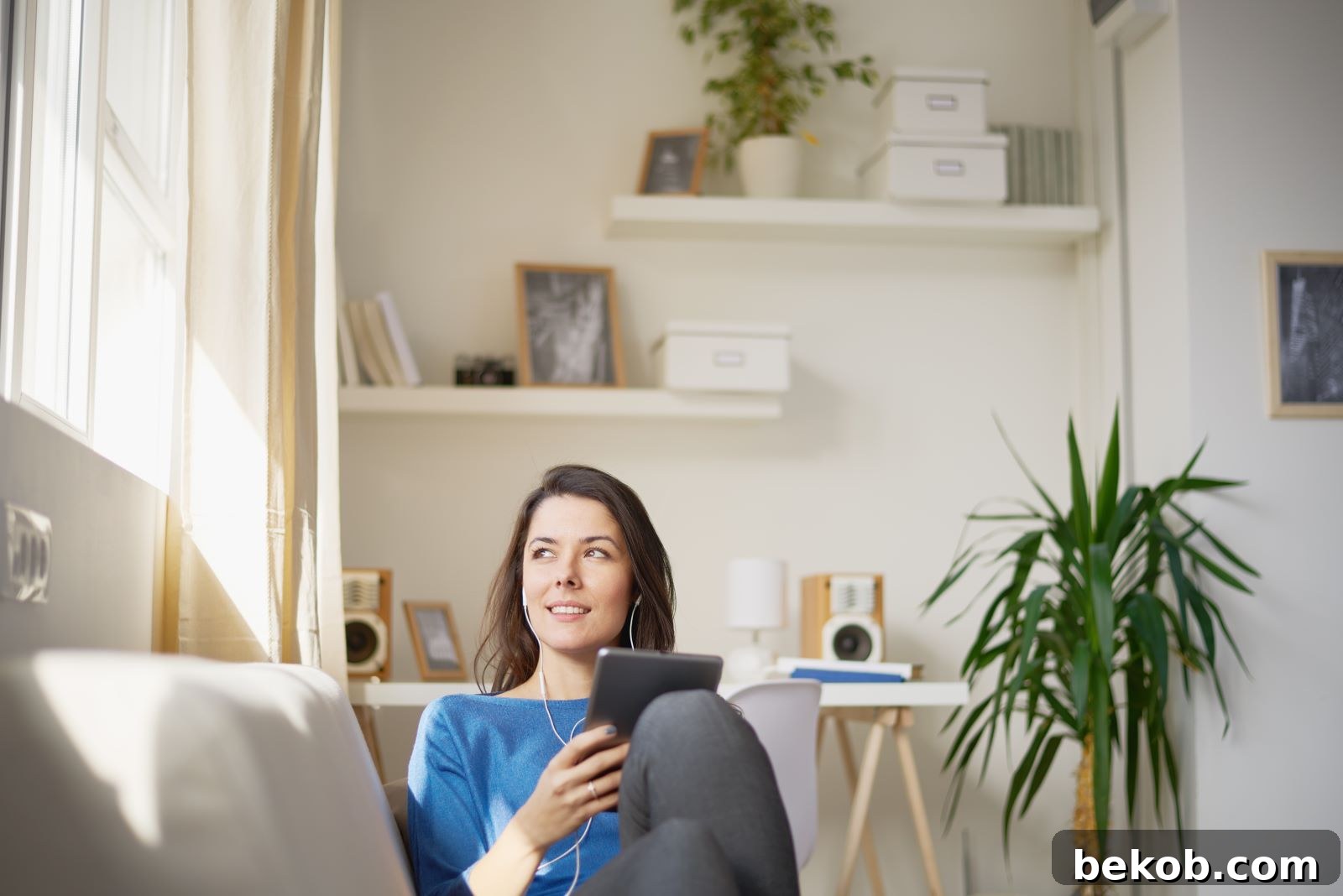
In the hustle and bustle of daily life, particularly in shared households, it’s easy for your personal space to become neglected or absorbed into the general chaos of the home. Without a dedicated haven where you can retreat, unwind, and be truly yourself, your ability to relax, reflect, and recharge can be severely compromised. A lack of personal space can lead to feelings of overwhelm, burnout, and a diminished sense of autonomy within your own home, making it difficult to find mental clarity or emotional peace.
Creating a designated personal space is not a luxury; it’s a vital component of mental well-being and a powerful mood-enhancer. This doesn’t necessarily require an entire room; it could be a cozy reading nook in a corner, a meditation zone, a comfortable armchair by a window, a dedicated hobby station, or even a well-organized desk that’s solely yours. The key is to make this space truly yours – customize it with items that bring you joy, comfort, and peace. Think about comfortable seating, soft lighting, calming scents, and elements that inspire you, whether it’s books, art, or personal mementos. Ensure it’s a place where you can escape distractions, disconnect from demands, and reconnect with yourself. By nurturing this private sanctuary, you provide yourself with a consistent opportunity to de-stress, recharge your emotional batteries, and maintain a balanced, positive outlook, ensuring your home truly supports your holistic well-being.
By consciously addressing these frequently overlooked “mood-killers” in your home, you embark on a transformative journey towards creating a living space that not only looks good but also feels intrinsically good. Each intentional change, from decluttering to perfecting your lighting, contributes to an environment that uplifts, inspires, and provides genuine comfort. This holistic approach allows you to fully enjoy the profound benefits of a home that is a true sanctuary, fostering peace, happiness, and a renewed sense of well-being in every corner.
Home Buying Wisdom: Identifying Houses with Good Bones

When embarking on the exciting yet often daunting journey of purchasing a new home, it’s easy to get swept away by attractive cosmetic features like fresh paint, stylish flooring, or modern fixtures. While these elements undoubtedly contribute to a home’s curb appeal and immediate comfort, they are ultimately superficial and can be easily changed. What truly matters for long-term satisfaction, structural integrity, and future value is the fundamental construction and soundness of the house – its “good bones.” Understanding how to identify a home with strong underlying structure is crucial for making a wise and informed investment. This insightful guide delves into the art of recognizing properties with excellent foundational qualities, providing you with invaluable knowledge to navigate the real estate market confidently and secure a home that will stand the test of time, saving you potential headaches and costly repairs down the line.
Crucial Clues: Defining “Good Bones” in a Home

The phrase “good bones” is frequently tossed around in real estate conversations, often signifying a property’s hidden potential or inherent value. But for the average homebuyer, this term can seem vague and elusive. What precisely does it mean to say a house has “good bones,” and more importantly, how can you, as a prospective homeowner, accurately define and identify this crucial characteristic when searching for your dream abode? It refers to the foundational structural integrity, the quality of construction, and the overall potential for a property to be updated and adapted without requiring extensive, expensive, or complex overhauls to its core systems. This guide will demystify the concept of “good bones,” providing you with clear indicators and actionable insights. Learn to look beyond superficial aesthetics and assess key elements like the foundation, roofing, plumbing, electrical systems, and overall layout that truly dictate a home’s long-term viability and renovation potential, empowering you to make a discerning and confident home purchase.
Declutter Fast: 7 Items Experts Say Must Go!

Every home holds the potential to be a beautifully organized and aesthetically pleasing space, but persistent clutter can quickly obscure its inherent charm and functional beauty. An untidy environment not only creates visual stress but can also contribute to mental fatigue and a general feeling of overwhelm. If you find your space feeling chaotic and disorganized, know that transforming it doesn’t have to be a lengthy or daunting process. Sometimes, the most impactful change comes from swiftly eliminating a few key categories of items that expert organizers universally agree are the biggest contributors to clutter and disarray. This focused approach allows for immediate visual improvement and a significant reduction in mental load. Discover how to declutter fast by targeting these seven essential items that expert organizers would undoubtedly remove from your home right now, paving the way for a more serene and enjoyable living environment.
10 Home Renovations that can Decrease its Value

In today’s dynamic real estate market, marked by increasing interest rates and fluctuating mortgage prices, maximizing the value of your home is more critical than ever. While many renovations are undertaken with the intention of boosting a property’s appeal and resale price, not all improvements are created equal. Surprisingly, certain home renovation projects, despite considerable investment, can inadvertently decrease your home’s market value or deter potential buyers. Understanding these pitfalls is essential for any homeowner considering an upgrade. Real estate agents and seasoned homeowners frequently share insights into common renovation mistakes that, instead of adding value, can lead to costly regrets. This informative guide sheds light on the specific renovations you should be cautious of, explaining the underlying reasons why these projects might negatively impact your home’s worth and offering advice on how to make truly value-adding improvements.
Home Trends Going Out of Style

Interior design trends are cyclical, with styles constantly evolving and giving way to new aesthetics. What was once considered the epitome of modern elegance can quickly become dated, making your home feel stuck in a time warp. Embracing new trends can infuse fresh energy into your living space, but holding onto bygone styles can inadvertently detract from your home’s overall appeal and even make it feel less inviting. It’s time to take a nostalgic trip down memory lane and identify those design elements that, while once popular, now elicit a collective “huh?” This journey isn’t about shaming past choices but about recognizing where design preferences have shifted and how you can update your home to reflect a more current and timeless sensibility. Dive into this engaging article to discover 15 outdated home trends that are definitively “so yesterday” and are in dire need of a major makeover, helping you bring your home’s style firmly into the present.
What is a Terrible Home Design Trend?

The dream of building or designing a new home is often filled with exciting visions and innovative ideas. We meticulously plan every detail, hoping to create a space that perfectly marries form and function, reflecting our personal style while also remaining practical and timeless. However, in the pursuit of uniqueness or contemporary flair, it’s surprisingly easy to fall prey to design trends that, while popular for a fleeting moment, ultimately prove to be disastrous in the long run. These “terrible trends” can lead to homes that are impractical, quickly outdated, or even uncomfortable to live in, turning a dream home into a source of regret. No one wants to make significant mistakes in their home’s design that they’ll be forced to live with for years. To ensure your new home remains a source of joy and pride, it’s crucial to understand which design fads to steer clear of. Explore this essential guide to identify the horrible new home trends that savvy homeowners and designers recommend avoiding, safeguarding your investment and ensuring your home remains beautiful and functional for decades to come.