
18 Powerful Ways to De-Stress Your Life Naturally
Stress, often perceived solely as a detrimental force, is in fact an intrinsic and essential component of human existence. It’s the primal “fight or flight” response, hardwired into our survival system, enabling us to react quickly to perceived threats. In small doses, stress can be a motivator, sharpening our focus and enhancing performance. However, when stress becomes chronic or overwhelming, its negative impact on our physical and psychological well-being can be profound. Unmanaged stress elevates cortisol levels, a hormone produced by the adrenal glands, which, over time, can lead to a cascade of health issues. These include serious conditions like clinical depression, anxiety disorders, chronic fatigue, overeating, sleep disturbances, and heightened irritability. While completely eliminating stress from modern life is an unrealistic goal, effectively managing and mitigating its effects is entirely achievable. This comprehensive guide explores 18 scientifically supported and practical strategies to help you navigate life’s pressures, find your calm, and foster greater resilience.
Effective Stress Management Techniques for a Balanced Life
1. Indulge in a Therapeutic Massage
Massage therapy stands as a cornerstone in both mental and physical stress reduction. Studies, such as one published in the Journal of General Internal Medicine, highlight its efficacy in alleviating stress and pain for individuals grappling with chronic conditions. Further research in the Australian Journal of Advanced Nursing indicated that even brief 15-minute massages significantly reduced psychological stress in participants. Beyond easing muscle tension, massage actively lowers cortisol levels while simultaneously boosting the production of serotonin and dopamine – neurotransmitters crucial for mood regulation and feelings of well-being. Regular massages can improve circulation, reduce inflammation, and promote a deeper sense of relaxation, making it an excellent preventative and reactive stress management tool.
2. Reconnect with Nature: Go for a Walk
Stepping out for a walk is a simple yet profound way to clear your mind and support overall health. Physical activity, even moderate walking, stimulates the release of endorphins, the body’s natural mood elevators, often leading to a sense of euphoria. Simultaneously, it actively decreases cortisol levels, counteracting the physiological effects of stress. A brisk walk can provide a much-needed energy boost and combat fatigue. The added benefit of being outdoors further amplifies these effects, with exposure to nature shown to reduce mental fatigue, improve memory, and enhance attention span. Embrace green spaces – parks, forests, or even a tree-lined street – to maximize the therapeutic benefits.
3. Find Comfort in Pet Companionship
The therapeutic power of pets is well-documented. Numerous studies confirm that interaction with animals can significantly reduce anxiety and stress. One study observed its positive impact on students during high-pressure exam periods, while another revealed a remarkable 37% reduction in anxiety for patients spending time with animals before medical procedures. The presence of a pet provides a soothing distraction from worries, fostering a sense of connection and unconditional love. Pet interaction lowers blood pressure and cortisol, while also increasing oxytocin, the “love hormone.” While dogs and cats are popular choices, even observing fish in an aquarium has been shown to induce a calming effect and reduce blood pressure, demonstrating the broad scope of animal-assisted stress relief.
4. Sip Your Way to Serenity: Drink Tea
Tea, particularly green and black varieties, offers a comforting and health-boosting approach to stress management. Green tea, rich in antioxidants, not only supports overall health but also contains L-theanine, an amino acid known for promoting relaxation without causing drowsiness. This compound works by increasing alpha wave activity in the brain, leading to a calm yet alert mental state. A study on black tea demonstrated its effectiveness in lowering cortisol levels and reducing perceived stress over a six-week period compared to a placebo. The ritual of preparing and savoring a warm cup of tea can also be a mindful practice in itself, offering a brief respite from daily pressures and encouraging introspection.
5. Prioritize Restorative Sleep
Quality sleep is fundamental to stress resilience. Research involving children revealed that disruptive sleep patterns correlate with elevated cortisol levels. Conversely, achieving restful, high-quality sleep, including strategic naps, demonstrably lowers cortisol. Another study involving healthy young men confirmed that incorporating proper naps throughout the day significantly decreased their cortisol levels. During sleep, your body repairs itself, consolidates memories, and processes emotions, all vital for effective stress coping. Prioritizing consistent sleep hygiene – maintaining a regular sleep schedule, creating a dark and quiet sleep environment, and avoiding stimulants before bed – is paramount for mental and physical restoration, directly impacting your ability to handle stress.
6. Channel Energy Positively Through Exercise
Engaging in physical activity, whether hitting the gym or going for a run, provides a healthy outlet for stress. It shifts your focus from stressors to a constructive activity beneficial for your well-being. Exercise is a potent inducer of endorphins, the body’s natural “feel-good” hormones, which impart a sense of euphoria and pain relief. Simultaneously, it effectively decreases cortisol and adrenaline levels. The more aerobically intense your workout, the greater the release of these beneficial neurochemicals. Regular exercise not only manages stress but also improves mood, boosts self-esteem, enhances cognitive function, and promotes better sleep, creating a virtuous cycle of well-being.
7. Master the Art of Deep Breathing
Deep, slow, and diaphragmatic breathing is an immediate and highly effective technique for calming the nervous system. By consciously slowing your breath, you trigger the body’s parasympathetic nervous system, which directly counteracts the “fight or flight” response. This action lowers blood pressure and heart rate, promoting a state of relaxation. Deep breathing is a cornerstone of mindfulness and meditation practices, helping to clear the mind and reduce anxiety. It can be practiced anywhere, anytime, providing an instant tool to regain composure and mental clarity amidst stressful situations, and has been shown to aid individuals dealing with anxiety and depression by providing a sense of control and grounding.
8. Harness the Power of Guided Visualizations
Guided visualization is a powerful mental technique utilized by many to achieve relaxation, manage stress, and even manifest goals. This practice involves actively imagining oneself in a peaceful setting or successfully navigating a challenge. One study showed subjects reported reduced perceived stress after incorporating this tool. Guided visualization encourages individuals to consciously engage with their imagination, helping them connect with their intuition and inner resources. It can lead to feelings of refreshment, renewed energy, and has been instrumental for many in boosting self-esteem and confidence. By creating vivid mental scenarios, you can influence your emotional state and foster a more positive outlook.
9. Embrace the Scents of Aromatherapy
Aromatherapy leverages the power of natural plant oils to influence mood and well-being. Certain essential oils, such as lavender, chamomile, bergamot, and frankincense, are renowned for their anxiolytic (anxiety-reducing) and calming properties. These scents interact with the brain’s limbic system, which governs emotions and memory, helping to ease nervous tension and promote relaxation. Aromatherapy can be incorporated through diffusers, topical application (diluted with a carrier oil), or infused into hot baths. The sensory experience of a pleasant aroma can evoke positive memories, create a soothing atmosphere, and significantly contribute to a peaceful and de-stressed state, offering a wonderful calming experience for those who try it.
10. Disconnect to Reconnect: Turn Off Your Phone
In our hyper-connected world, smartphones, while convenient, can be a constant source of stress. The incessant stream of notifications, work-related emails, and social media updates can trigger “fear of missing out” (FOMO) and a pervasive sense of obligation. One study specifically linked work-related emails accessed via smartphones to higher stress levels. By intentionally turning off your phone – even for a few hours – you create a crucial boundary, shutting out external stressors and allowing yourself to focus on your immediate surroundings and inner peace. This digital detox can be incredibly liberating, fostering presence, improving real-world interactions, and providing a deeply relaxing experience essential for mental rejuvenation, whether during a weekend or vacation.
11. Cultivate Inner Calm Through Meditation
Meditation, an ancient practice spanning millennia, offers a profound pathway to self-discovery and stress reduction. It’s an accessible and inexpensive technique designed to quiet the mind, release tension, and foster mental clarity. When combined with deliberate breathing exercises, meditation further lowers heart rate and blood pressure, activating the parasympathetic nervous system. Beyond immediate relaxation, consistent meditation practice can lead to structural changes in the brain, enhancing emotional regulation, increasing self-awareness, and improving focus. It helps individuals find tranquility amidst chaos and gain clarity in their thoughts, fostering a more peaceful and resilient outlook on life.
12. Unwind with a Soothing Hot Bath
A hot bath is a time-honored remedy for both physical and mental tension. The warmth of the water helps to relax tight muscles, alleviate body aches, and creates a comforting, enveloping environment. This hydrotherapy promotes better blood circulation and has a calming effect on the nervous system. To enhance the experience, you can infuse the water with therapeutic minerals like Epsom salts (rich in magnesium, a natural muscle relaxant) or a few drops of essential oils for a fragrant and soothing aromatherapy benefit. Lighting candles and playing soft music can transform a simple bath into a ritual of self-care, providing a much-needed escape and promoting deep relaxation.
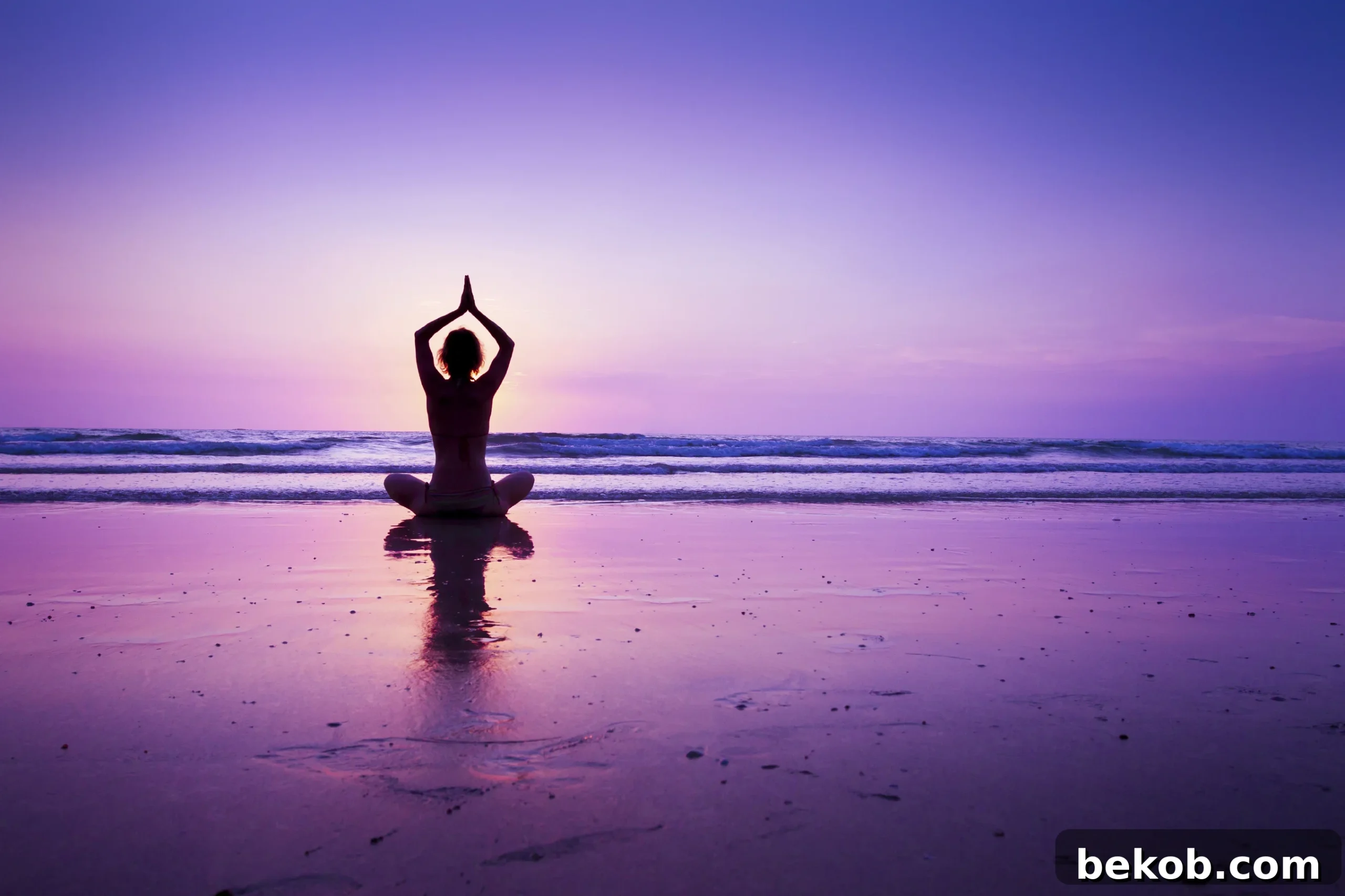
13. Embrace the Holistic Benefits of Yoga
Yoga is an exceptional tool for both weight and stress management, offering a unique blend of physical postures (asanas), breathing exercises (pranayama), and meditation. It significantly improves balance, flexibility, and core strength. Numerous studies attest to yoga’s promise in reducing anxiety and stress in practitioners. While not a complete substitute for pharmacological medication in severe cases, yoga is highly recommended as a complementary therapy. Originating in India over 5,000 years ago, its benefits extend beyond mental well-being, aiding conditions like bronchitis, chronic pain, and even alleviating some symptoms of menopause. Its holistic approach cultivates mind-body harmony, leading to sustained peace and resilience.
14. Let Music Be Your Sanctuary
Music possesses a profound ability to influence our emotions and thoughts. Research has consistently shown its therapeutic potential. For instance, post-surgery patients who listened to music exhibited lower stress levels than those who did not. Another study highlighted how musical preferences for pain and stress relief vary across different cultural backgrounds. The key is to find music that resonates with you personally and induces a sense of calm or joy. Whether it’s classical, instrumental, nature sounds, or your favorite upbeat tunes, creating a personalized playlist for relaxation can be a powerful and accessible stress management technique, allowing you to soothe your mind and uplift your spirit.
15. Laugh Your Way to Less Stress
Laughter is indeed the best medicine, particularly when it comes to stress. Engaging in activities that provoke genuine laughter, such as attending a comedy show or watching a humorous movie, offers significant stress relief. One study observed lower levels of the salivary endocrinological stress marker chromogranin A (CgA) in participants who watched a funny movie. Beyond the biochemical benefits, subjects also reported feeling uplifted, fulfilled, and more positive after a good laugh. Laughter relaxes the entire body, boosts the immune system, and can even temporarily relieve pain. Seek out humor in everyday life and consciously make time for activities that bring joy and mirth.
16. Engage Your Hands and Mind with a Craft
Diverting your mind from stressors by engaging in a creative craft or hobby can be remarkably therapeutic. Activities like knitting, painting, pottery, or model building can induce a “flow state” – a deeply focused and enjoyable mental state where time seems to disappear. Studies indicate that crafting enhances relaxation, particularly benefiting children and seniors, and is frequently employed as a therapeutic healing method. The process of creation allows for artistic self-expression, provides a sense of accomplishment, and fosters mindfulness. It’s a productive way to process emotions, improve manual dexterity, and achieve a calming mental escape from daily pressures.
17. Journal Your Way to Clarity
Maintaining a journal or diary is a powerful practice for self-expression and emotional processing. Regularly writing down your thoughts, feelings, and daily activities can help you better understand your emotions, organize chaotic thoughts, and reflect on your choices and experiences. Your journal serves as a private, non-judgmental space where you can freely express emotions that might otherwise remain suppressed. One of the most significant benefits of journaling is the ability to acknowledge and process negative emotions, which paradoxically helps in moving towards more positive ones. This practice enhances self-awareness, reduces rumination, and can be a vital tool for emotional regulation and problem-solving.
18. Reduce Your Caffeine Intake
While a morning coffee might seem to kickstart your day, excessive caffeine consumption can exacerbate stress. Caffeine acts as a stimulant, increasing the release of catecholamines and cortisol – both primary stress hormones. Although it temporarily boosts dopamine for a quick “feel-good” response, this effect is often short-lived and can lead to a subsequent crash, leaving you feeling more fatigued and irritable. This creates a vicious cycle where you might rely on more caffeine to combat the dip, further disrupting your body’s natural stress response. Consider gradually reducing your intake of coffee, energy drinks, and other highly caffeinated beverages. Opt for calming alternatives like herbal teas or green tea, which provides a gentler, more sustained energy lift without the jitters.
Key Takeaways for Sustainable Stress Relief
Stress is an inherent part of life, and in controlled amounts, it is essential for our survival and growth. However, when stress becomes chronic and unmanaged, it can lead to significant psychological and physical harm, impacting every aspect of our well-being. The journey to effective stress management is deeply personal; what works wonders for one individual may not be as effective for another. This highlights the importance of exploration and experimentation in finding the strategies that best resonate with your unique needs and lifestyle. Embrace the process of discovering different paths to handle your stress, knowing that consistent self-care and proactive management are key to fostering resilience, promoting lasting peace, and living a more balanced and fulfilling life.
LabDoor is a web and mobile application that provides comprehensive product safety grading for dietary supplements. LabDoor empowers consumers with unbiased information, allowing them to easily browse rankings of best-selling supplements and energy drinks from popular brands such as GNC, Centrum, Muscle Milk, Red Bull, 5-Hour Energy, Optimum, and Shakeology. By offering transparency into the purity and efficacy of multivitamins, fish oil, probiotics, vitamin D, and protein supplements, LabDoor helps individuals make informed decisions about their health. To learn more about LabDoor’s methodology and mission, click here.
Explore More Wellness & Beauty Ideas:
Quick & Easy Hairstyles
Summer Skincare
Radiant Winter Skin
Winter Hair Tips
Coconut Oil Uses
Homemade Sugar Scrub