
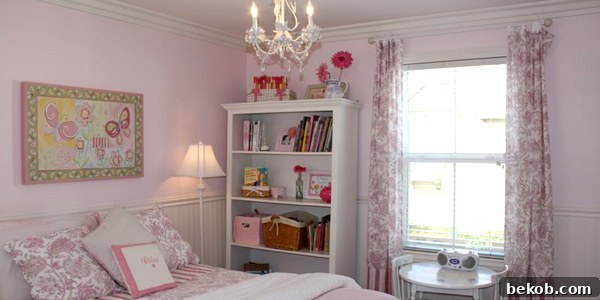
As parents, we often find ourselves navigating the enchanting, sometimes whimsical, requests of our children. One of the most common, and perhaps most debated, among them is the desire for an all-pink bedroom. For years, I resisted the insistent pleas from my spirited four-year-old, fearing a room that resembled a bubblegum factory more than a serene sanctuary. My initial apprehension stemmed from the common misconception that a pink room must be overwhelmingly saccharine or difficult to evolve as a child grows. However, after countless discussions and a pivotal realization that her joy was paramount, I finally embraced the idea.
The journey to creating her dream space was an adventure in itself, involving numerous trips to the paint store with my incredibly patient husband. We meticulously scoured swatches, holding them up against various lights, determined to find that perfect shade of pink – one that was warm, inviting, and far from the dreaded ‘bubblegum’ effect. The moment her eyes lit up, beholding her newly transformed room, was truly priceless. It wasn’t just a room; it was a canvas of her dreams, a space that resonated deeply with her vibrant personality. What started as a compromise evolved into one of my absolute favorite spots in our home. To echo her own ecstatic words, “It’s pinkalicious!!!!” This experience taught me that with thoughtful planning and a little creativity, a pink bedroom can be both beautiful and timeless, growing seamlessly with its occupant.
The Enduring Charm of Pink: More Than Just a Color
Pink, in its myriad shades, holds a special allure for many children. It’s often associated with sweetness, tenderness, and a touch of magic, making it a natural choice for a little girl’s bedroom. But its appeal extends beyond these surface-level associations. Psychologically, pink can evoke feelings of comfort, warmth, and nurturing, creating a calming and joyful environment perfect for rest, play, and imagination. Understanding this innate attraction is the first step in designing a space that truly resonates with your child, transforming their room into a personal haven where they feel safe, happy, and inspired.
Choosing the Perfect Hue: Navigating the Spectrum of Pink
The key to a sophisticated and lasting pink bedroom lies in selecting the right shade. Forget the notion that all pinks are created equal. The world of pink is vast and varied, offering everything from delicate blushes to vibrant fuchsias. My goal was to avoid anything too garish or overwhelming. We explored options like dusty rose, a muted and elegant shade that pairs beautifully with neutrals; soft coral, which introduces a hint of warmth and sophistication; and a barely-there pastel pink, offering a gentle, ethereal quality. Considerations for choosing include:
- Room Lighting: Natural light can drastically change how a color appears. A shade that looks perfect in a brightly lit showroom might appear darker or lighter in your child’s room. Always test swatches on multiple walls and observe them throughout the day.
- Room Size: Lighter, softer pinks can make a smaller room feel more expansive and airy, while darker or more intense shades might be better suited for an accent wall in a larger space.
- Complementary Colors: Think about the other colors you plan to incorporate. Blush pinks work wonderfully with grey, gold, and cream, while a brighter pink might pop against crisp white or even a soft mint green.
- Child’s Input: While you’re the designer, involving your child in the decision-making process can make the room feel truly theirs. Offer a curated selection of 2-3 shades you approve of and let them make the final choice, fostering a sense of ownership and excitement.
Ultimately, we settled on a soft, warm pink that provided a cheerful backdrop without dominating the room. It was subtle enough to feel sophisticated yet undeniably pink, striking that delicate balance I had been searching for.
Designing for Longevity: A Pink Room That Grows With Her
One of my primary concerns was ensuring the room wouldn’t feel too juvenile as my daughter grew. The secret to a “grow-with-me” room lies in a thoughtful combination of permanent and transient elements. By anchoring the space with timeless pieces and layering in easily changeable accents, you can create a room that evolves effortlessly through different stages of childhood, from a toddler’s nursery to a pre-teen’s sanctuary.
Foundational Elements for a Timeless Pink Bedroom:
- Neutral Furniture: Opt for furniture in classic finishes like white, natural wood, or a subtle grey. A robust white dresser, a sturdy wooden bed frame, or a simple desk will serve her well from toddlerhood through her teenage years. These pieces provide a versatile base that can be dressed up or down with different decor, ensuring they remain relevant as her tastes mature.
- Strategic Use of Paint: While all walls can be pink, consider a single accent wall in a bolder shade, or apply pink below a dado rail with a neutral color above. This prevents pink from becoming overwhelming and offers flexibility. A lighter, almost neutral pink on all walls can also achieve a timeless look, acting as a soft backdrop for other design choices.
- Flooring: A neutral carpet or hardwood floor provides a stable foundation. Introduce pink through area rugs that can be swapped out as tastes change, offering both comfort and a splash of color without permanence.
Flexible Decor Elements to Introduce and Adapt:
- Textiles are Your Best Friend: Bedding, curtains, throw pillows, and rugs are fantastic ways to inject pink and introduce patterns or textures. These items are relatively inexpensive and can be updated frequently to reflect new interests or a maturing aesthetic. Think about soft floral patterns, geometric prints, or luxurious velvet in shades of pink, all easily changed to refresh the room’s look.
- Wall Art: Instead of permanent murals, opt for framed prints, canvases, or easily removable wall decals. A gallery wall allows for rotating artwork – from whimsical animals for a young child to inspiring quotes or abstract pieces for a teenager. This adaptability ensures the walls reflect her current passions.
- Lighting: A whimsical pendant light or fairy lights can add a magical touch that’s easily changed. Desk lamps or bedside lamps in a complementary color can also tie the room together, providing both functionality and aesthetic appeal.
- Storage Solutions: Bins, baskets, and shelving can be both practical and decorative. Choose pink options for a vibrant splash of color, or select neutral storage and fill it with pink-themed toys and accessories, allowing for easy updates as toy preferences shift.
By focusing on these adaptable elements, we created a space that is current and playful now, but also possesses the underlying structure to transition smoothly into her future preferences without a complete overhaul. This approach ensures your investment in the room design pays off for years, providing a beloved space that grows with your child.
Beyond the Paint: Curating Pink Accents and Complementary Colors
A successful pink bedroom isn’t solely about the walls; it’s about the entire ensemble. Thoughtful accessorizing can elevate the space, adding depth, personality, and a touch of sophistication. Integrating other colors and textures ensures the room feels balanced and rich, rather than monochromatic and flat. The right complementary colors can enhance the pink, creating a harmonious and inviting atmosphere.
Harmonizing with Other Hues:
- White and Cream: These classics are natural partners for pink, creating a fresh, clean, and airy feel. They prevent pink from becoming too overwhelming and add a sense of calm and openness, making the room feel larger and brighter.
- Grays: From charcoal to light silver, various shades of grey provide a modern and sophisticated contrast to pink. A grey rug, a subtle grey pattern in wallpaper, or grey furniture can ground the room beautifully, adding a contemporary edge.
- Metallics (Gold, Copper, Silver): A touch of metallic, especially gold or rose gold, can add glamour, warmth, and a luxurious feel. Think picture frames, lamp bases, drawer pulls, or even subtle wall decals for a touch of sparkle.
- Soft Greens or Blues: Mint green, sage, or a very light sky blue can introduce a refreshing, natural element that beautifully complements pink, creating a vibrant yet balanced palette reminiscent of a garden. These colors add a sense of serenity and creativity.
- Natural Wood Tones: Incorporating natural wood furniture or decor brings warmth and an organic feel, preventing the room from appearing too sterile or artificial. Wooden shelves, a desk, or a bed frame can beautifully balance the pink hues.
Infusing Texture and Detail:
- Layered Bedding: Combine different textures like a soft cotton duvet with a velvet throw pillow, or a chunky knit blanket in a contrasting color. This adds visual interest and a sense of comfort.
- Plush Rugs: A soft, plush rug underfoot adds warmth, defines the space, and introduces another layer of texture and color. It’s also perfect for playtime on the floor.
- Window Treatments: Curtains can be a strong design statement. Consider sheer white curtains for an ethereal, light-filled look, or heavier drapes in a complementary color or subtle pink pattern for more dramatic flair and light control.
- Personalized Touches: Encourage your child to display their favorite drawings, photos, or cherished toys. These personal elements make the room truly unique and reflect their growing personality, making the space feel deeply their own.
By carefully selecting accents and integrating a balanced color palette, the pink bedroom transcends a simple color scheme to become a curated, inviting, and truly beautiful space that fosters imagination and comfort.
The Joy of Creation and the Power of a Personalized Space
Creating a space your child adores is one of the most rewarding aspects of parenthood. What began as a reluctant concession transformed into a heartfelt project, culminating in a room that brings immense joy to my daughter and a surprising amount of satisfaction to me. It’s a testament to the idea that sometimes, stepping outside our comfort zone, or in this case, beyond our preferred color palette, can lead to wonderfully unexpected results. The key is to approach the design with intention, ensuring every element contributes to a cohesive, comfortable, and captivating environment.
A pink bedroom doesn’t have to be a fleeting trend; it can be a thoughtfully designed sanctuary that evolves with your child. By focusing on quality over quantity, timeless pieces over passing fads, and most importantly, incorporating elements that resonate with your child’s spirit, you can create a “pinkalicious” room that is cherished for years to come. It’s more than just a color on the walls; it’s a foundation for dreams, a haven for play, and a comforting retreat. Witnessing the unadulterated happiness on my daughter’s face every time she enters her room reminds me that some design choices, especially those made with love and a little courage, are truly priceless.