
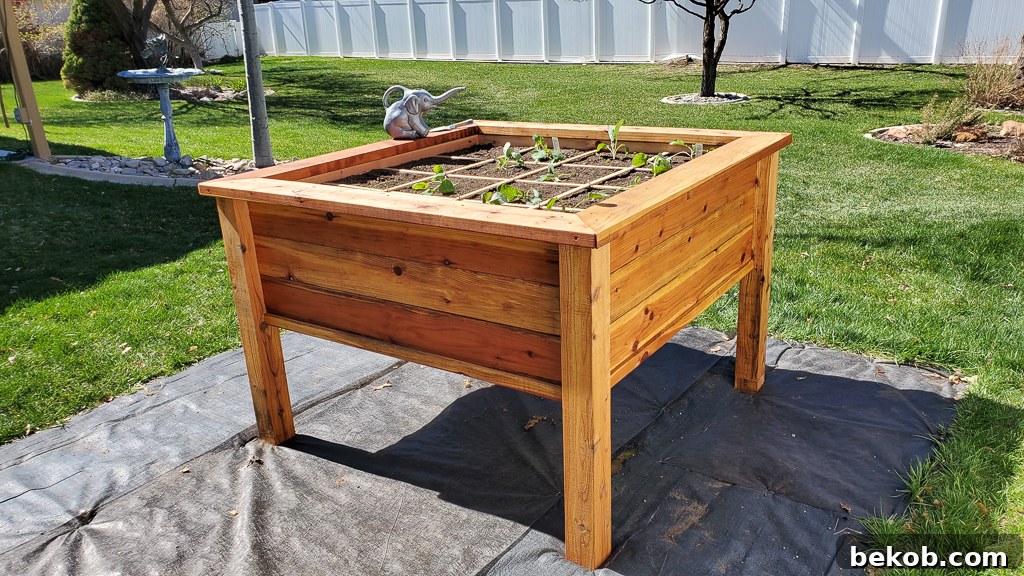
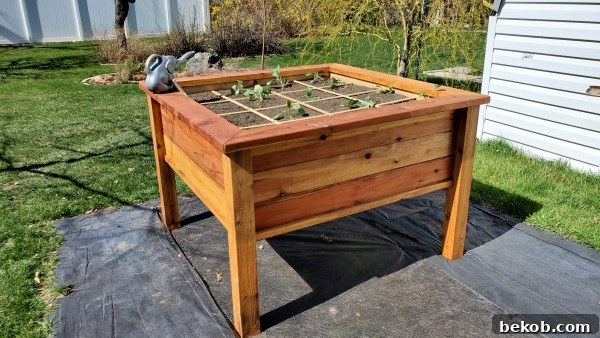
Tired of bending, kneeling, and straining your back while gardening? We know the feeling! That’s why we designed and built a revolutionary DIY raised garden bed that allows you to garden comfortably at counter height. Say goodbye to backaches and hello to a more enjoyable gardening experience. This innovative design will transform your gardening routine, making it accessible and ergonomic for everyone.
This post contains affiliate links. Learn more and read our full disclosure policy here.
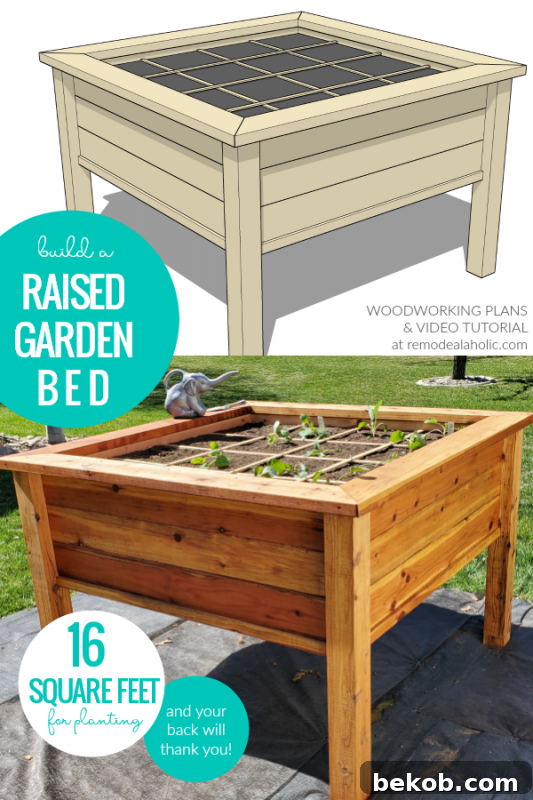
Elevate Your Garden: The Ultimate Counter-Height DIY Raised Garden Bed
Gardening should be a joyful and relaxing activity, not a source of pain or discomfort. For years, many aspiring gardeners have been deterred by the physical demands of traditional ground-level beds. The constant bending, kneeling, and heavy lifting can take a toll on your back and knees, especially as you get older or if you have pre-existing conditions. We experienced this firsthand, which inspired us to create a solution: a thoughtfully designed DIY raised garden bed that stands at a comfortable counter height. This allows you to tend to your plants with ease, enjoying every moment of nurturing your garden without the strain.
Our custom-designed raised garden bed isn’t just about ergonomics; it’s about maximizing your gardening potential in a sustainable and enjoyable way. Whether you’re a seasoned gardener looking for a more comfortable approach or a beginner eager to start your first edible garden, this project is perfect for you. Imagine harvesting fresh vegetables and herbs from your own backyard, all while standing upright. It’s a game-changer for anyone who loves spending time outdoors but wants to protect their body from unnecessary stress.
Key Benefits of a Counter-Height Raised Garden Bed
Beyond the obvious ergonomic advantages, a raised garden bed at counter height offers a multitude of benefits that enhance your gardening experience:
- Unmatched Comfort & Accessibility: The primary benefit is the elimination of bending and kneeling. This design is perfect for individuals with back pain, knee issues, or mobility challenges, making gardening accessible to everyone.
- Superior Drainage & Soil Control: Raised beds inherently offer better drainage than in-ground gardens, preventing waterlogging and promoting healthier root development. You also have complete control over your soil composition, allowing you to create the perfect nutrient-rich environment for your chosen plants.
- Extended Growing Season: The soil in raised beds tends to warm up faster in spring and retain warmth longer into fall, potentially extending your growing season by several weeks.
- Reduced Pest & Weed Pressure: The elevated height can deter many ground-dwelling pests, and the contained nature of a raised bed makes weed management significantly easier and less time-consuming.
- Optimized for Square Foot Gardening: Our design is perfectly suited for square foot gardening techniques, allowing you to maximize your yield in a compact space. This efficient method saves water, time, and resources.
- Enhanced Aesthetics: A well-built raised garden bed adds a beautiful, organized, and professional look to any backyard or patio, transforming it into an attractive outdoor living space.
Understanding the Dimensions of Your New Garden Oasis
Precision in design is key to a functional and beautiful raised garden bed. Our counter-height planter has been carefully engineered to provide optimal gardening space and ergonomic comfort. Here’s a breakdown of its generous dimensions, ensuring you have ample room for a thriving garden while maintaining an ideal working height:
- Overall Height: 37 1/2 inches tall. This specific height was chosen to allow most adults to stand comfortably while working, eliminating the need to stoop or crouch.
- Center Planting Area: 48 inches by 48 inches wide. This square dimension is intentionally designed to be ideal for square foot gardening, a highly efficient method for maximizing yields in small spaces. It provides a generous 16 square feet of planting area.
- Outside Top Trim: 58 inches by 58 inches from edge to edge. The wider top trim not only adds a finished, aesthetic appeal but also provides a convenient ledge for setting down tools, pots, or even a refreshing drink while you work.
- Soil Depth: Adjustable between 6 inches to 16 inches deep. This flexible soil depth is crucial. For shallow-rooted plants like lettuce, spinach, and many herbs, 6-8 inches is sufficient. For deeper-rooted vegetables such as carrots, tomatoes, peppers, and even small root vegetables, you can increase the soil depth up to 16 inches, providing ample room for their root systems to flourish.
These dimensions ensure a comfortable working environment and a versatile planting area, allowing you to cultivate a wide variety of plants successfully.
Investment for a Lifetime: How Much Does This Raised Garden Bed Cost?
Building this durable, counter-height garden box represents a smart investment in your gardening future. The estimated cost for materials to construct one unit is around $250. While this might seem like a modest upfront cost for such a substantial project, its true value lies in its longevity and the quality of materials used.
The beauty of this project is its exceptional durability. When constructed with high-quality, rot-resistant lumber like cedar or redwood, this raised garden bed is designed to last for 30 years or more. Unlike cheaper alternatives that may degrade quickly, leading to repeated replacements, this bed is built to stand the test of time, weather, and constant use. We envision ours lasting for over 50 years, perhaps even a century! Imagine the joy of harvesting fresh, organic produce from the same garden bed decades from now, a testament to its robust construction.
Consider the long-term savings: no more annual expenses on temporary garden solutions or the constant strain on your body. This garden bed pays for itself many times over in fresh produce, saved labor, and sustained enjoyment. It’s an heirloom-quality piece that supports a sustainable lifestyle, making gardening a lifelong passion rather than a seasonal chore. Picture yourself at 90, still picking crisp vegetables from your beloved raised garden bed – that’s the kind of lasting joy this project promises.
Simplicity in Construction: How Easy Is It to Build?
Don’t let the impressive appearance of this raised garden bed intimidate you; it’s remarkably straightforward to construct. Designed with the DIY enthusiast in mind, this project can be completed quickly and efficiently. With a clear set of plans and just three main tools, you can have your new gardening station ready in as little as half a day. This makes it an ideal weekend project for individuals or families looking to enhance their outdoor space without requiring extensive woodworking experience.
The straightforward design eliminates complex joinery and intricate cuts, allowing even novice builders to achieve professional-looking results. The satisfaction of building something so functional and beautiful with your own hands is truly rewarding. We’ve streamlined the process to ensure that anyone with basic DIY skills and the right tools can successfully assemble this durable and ergonomic raised garden bed. Get ready to enjoy the tangible reward of a project well done, and a garden ready for planting in no time!
See It in Action: Watch Our Video Tutorial!
Sometimes, seeing is believing! To give you a comprehensive understanding of just how simple and satisfying this DIY raised garden bed project is, we’ve put together a detailed video tutorial. This video will walk you through the key steps, offer valuable tips, and provide a visual guide to ensure your building process is smooth and successful. Watch the full tutorial below and envision your own garden bed taking shape!
Selecting Your Materials: The Foundation of Longevity and Beauty
The choice of lumber is paramount for the longevity and performance of your raised garden bed. We carefully selected specific wood types known for their durability and resistance to the elements. For the structural integrity and ground contact points, we used cedar for the legs. Cedar is an excellent choice due to its natural resistance to moisture, decay, and insect infestation, ensuring that the critical components of your garden bed will withstand years of outdoor exposure.
For the main boards, we opted for redwood. Redwood shares many of cedar’s desirable properties, including natural rot and insect resistance, but it also offers a distinct, beautiful grain and a warm, rich color that deepens over time. This combination of cedar legs and redwood boards creates a robust and aesthetically pleasing structure designed to last for decades, minimizing the need for maintenance or replacement.
While cedar and redwood are highly recommended for their superior performance and durability, other options exist. Untreated hardwoods like black locust or white oak can also be very durable, but they may be harder to source or more expensive. Treated lumber is another option, but if you choose this, ensure it’s approved for use in contact with edible plants to avoid chemical leaching into your soil. Our detailed plans include a comprehensive materials list and precise cut list, making lumber acquisition and preparation straightforward. Invest wisely in your materials, and your garden bed will reward you for years to come.
Essential Tools for a Smooth Building Experience
Completing this DIY raised garden bed project efficiently and effectively requires a few key power tools, alongside some standard measuring and marking equipment. We’ve handpicked a list of tools that will make the construction process straightforward, ensuring strong joints and a clean finish. Here’s what you’ll need:
- Circular Saw: An indispensable tool for making precise, straight cuts through lumber, essential for preparing all your boards to the correct length.
- Kreg Jig (Pocket Hole Jig): This tool is a game-changer for creating strong, hidden joints quickly and easily, giving your garden bed a professional and clean appearance without visible fasteners on the exterior.
- Random Orbital Sander: Crucial for achieving a smooth, splinter-free finish on all wood surfaces, preparing them perfectly for treatment.
- 100 Grit Sandpaper: Ideal for use with your orbital sander, this grit level effectively smooths rough edges and prepares the wood for a beautiful finish.
- Drill: A powerful drill (a hammer drill works exceptionally well) is necessary for pre-drilling holes and driving screws with ease, especially when assembling the sturdy frame.
- Extended Drill Bits: These are specifically useful for driving deck screws into the pocket holes created by the Kreg Jig, ensuring deep and secure fastening.
- Rafter Square: Essential for marking accurate, square cuts and ensuring all your angles are perfectly perpendicular, leading to a perfectly aligned structure.
- Tape Measure: For precise measurements, a reliable tape measure is fundamental to ensuring all your cuts and assemblies are dimensionally accurate.
- Level: A level is indispensable for ensuring your garden bed is perfectly plumb and level on all sides, crucial for proper drainage and aesthetic appeal.
- 4-inch Foam Brush: Ideal for evenly applying wood finishes, ensuring a smooth and consistent protective layer.
With these tools in hand, you’ll be well-equipped to tackle this rewarding project and create a durable, beautiful raised garden bed.
Ready to Build? Get Your Detailed Plans Here!
You’re probably eager to get started on your own counter-height raised garden bed. We’ve made it incredibly easy for you to begin your project by providing comprehensive digital plans. These plans include everything you need: a complete materials list, precise cut lists, step-by-step instructions, and detailed diagrams to guide you through every stage of the construction process. Download your plans today and turn this vision into a reality for your backyard!
The Perfect Finish: Protecting and Enhancing Your Wood
Once your raised garden bed is fully assembled, the final touch is applying a protective finish. This step not only enhances the natural beauty of the wood but also shields it from the elements, ensuring maximum longevity. We began by sanding all surfaces with 100-grit sandpaper using an orbital sander. This crucial preparation step creates a smooth surface, ensuring excellent adhesion and an even absorption of the finish.
For the finish itself, we highly recommend Penofin Penetrating Oil Finish. This oil is exceptional because it deeply soaks into the wood fibers, offering superior protection from moisture and UV rays without creating a film that can peel or chip. We used the “Transparent Redwood” color from the Red labeled product line, which beautifully enriches the natural tones of the redwood, giving it a vibrant, warm glow while still allowing the natural grain to show through. This type of oil treatment not only provides excellent weather resistance but also makes the wood resistant to mold and mildew, maintaining its stunning appearance for years.
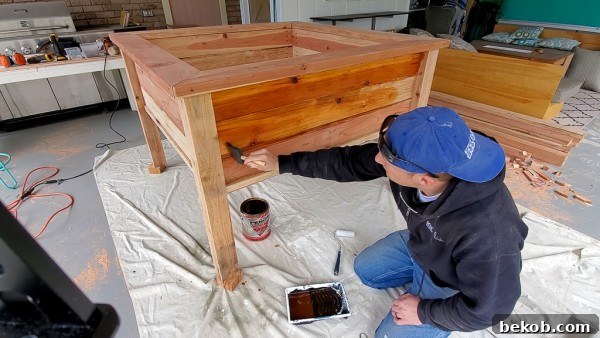
An important tip for finishing a garden bed intended for growing edibles: apply the oil finish only to the exterior surfaces of the box. This prevents any potential leaching of the oil into the soil where your plants will grow, ensuring your harvest remains organic and safe for consumption. Leaving the inside natural allows the wood to breathe and avoids introducing unnecessary chemicals near your precious vegetables.
Choosing the Right Soil for a Thriving Garden
The foundation of any successful garden lies in its soil. For a raised garden bed, particularly one designed for vegetables, selecting the appropriate growing medium is critical. We recommend using a high-quality, well-drained sandy loam garden soil. This type of soil offers the perfect balance of aeration, water retention, and nutrient availability essential for healthy plant growth.
A sandy loam typically consists of a mix of sand, silt, and clay, along with a significant amount of organic matter. The sand provides excellent drainage and prevents compaction, while the silt and clay particles help retain moisture and nutrients. Crucially, the organic matter – often in the form of compost – enriches the soil, improves its structure, and feeds beneficial microorganisms, creating a vibrant ecosystem for your plants. Avoid using heavy garden soil straight from your yard, as it can be too dense and lack the necessary drainage for a raised bed, leading to root rot and poor plant health. Investing in quality soil is an investment in your garden’s future success.
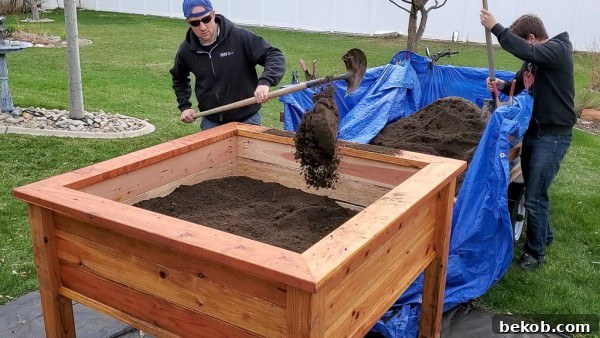
Where to Source Your Premium Garden Soil
Acquiring a large volume of quality soil for your raised garden bed is a key step, and buying in bulk from a local landscaping supply store is often the most cost-effective and efficient method. We sourced our soil from a local supplier, purchasing 1 cubic yard (equivalent to 27 cubic feet) for just $39. This quantity proved to be more than enough: half of that, approximately 13.5 cubic feet, filled our raised bed to a depth of 15 inches, leaving us with plenty of leftover soil for other planters or future garden projects in the yard.
When picking up bulk soil, preparation is key. Be aware that a cubic yard of soil is incredibly heavy – it can weigh 1000 pounds or more, especially if it’s damp. Ensure you have a strong truck or a heavy-duty trailer capable of safely transporting such a significant load. Our small trailer certainly felt the strain, so always err on the side of caution. Alternatively, many landscaping companies offer delivery services for a fee, which can save you the hassle and risk of transporting it yourself. For smaller projects or if bulk buying isn’t an option, bagged raised bed soil mixes are available at garden centers, though they tend to be more expensive per cubic foot.
Maximize Your Harvest with Square Foot Gardening
Our DIY raised garden bed is ideally suited for the highly efficient method known as Square Foot Gardening (SFG). This innovative approach to vegetable gardening allows you to cultivate a surprising amount of produce in a minimal space, making the most of every square foot of your garden bed. SFG involves dividing your garden bed into a grid of 1-foot by 1-foot squares and planting different crops intensively within each square, rather than in traditional rows.
The benefits of adopting the Square Foot Gardening method are numerous:
- Saves Time: With everything neatly organized, planting, weeding, and harvesting become much faster.
- Saves Effort: Intensive planting means less walking and bending, and the raised bed height enhances this comfort.
- Saves Space: Grow more food in a smaller footprint, perfect for urban gardens or limited backyard areas.
- Saves Water: Concentrated planting and rich soil mean less water is lost to evaporation, leading to more efficient watering.
- Saves Tools: A few basic hand tools are all you need for maintenance.
By focusing on soil quality and strategic plant placement, you get the “most bang for your buck” in terms of yield and plant health. It reduces waste, improves soil health, and simplifies garden management significantly. You can find even more valuable information and resources about the history and methods of Square Foot Gardening by visiting the official website here. We’ve been meaning to try this method for years, and we’re incredibly excited to implement it with our new counter-height raised garden bed this season!
Dive Deeper into Square Foot Gardening with the Essential Book
If you’re as excited about the potential of Square Foot Gardening as we are, then an excellent resource to deepen your knowledge is the official guide. This book is an invaluable companion for both novice and experienced gardeners, offering detailed insights, planting charts, and practical tips to master the SFG method. It covers everything from setting up your grid to choosing the right plants for each square, ensuring you get the most out of your raised garden bed.
Here’s an affiliate link to the latest edition of the Square Foot Gardening book. It’s packed with so much great information that will empower you to create a highly productive and efficient garden, making your counter-height raised garden bed an even greater success.
Start Your Journey to Effortless Gardening!
We hope this detailed guide has inspired you to build your own counter-height DIY raised garden bed. It’s a project that promises not only a beautiful addition to your outdoor space but also a significant improvement in your gardening comfort and productivity. Enjoy every moment of nurturing your plants and harvesting fresh produce, all while standing tall and pain-free. Happy gardening!
Be sure to explore our other fantastic DIY projects for your outdoor living spaces and beyond. You can find a wide range of inspiring tutorials and plans right here to continue enhancing your home and garden.