
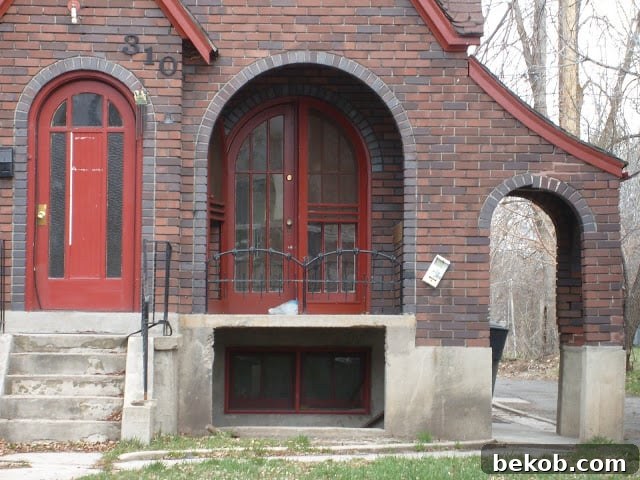
Stepping back in time, even for a moment, to admire the character of a truly old house is an experience many of us cherish. The particular dwelling captured in these images, situated in the very town where my parents reside, possesses an almost magical quality. Its graceful facade, the intricate details around the windows, and especially the captivating entryway with its arched screen door beckon passersby to pause and imagine a life within its walls. Picture that screen door on the small, inviting patio, seemingly just waiting to usher a cool, gentle breeze directly into a cozy living room, promising respite from the summer heat. This house, with its palpable sense of history, speaks volumes about the craftsmanship of a bygone era. However, the modern world often clashes with such idyllic visions; the unfortunate reality of this particular gem is its placement on a perpetually busy road. This specific detail prompts a larger discussion: do these venerable structures truly “speak” to your soul, weaving tales of generations past, or do their inherent complexities send you running in the opposite direction?
The Enduring Charm of Historic Homes: A Love Affair with the Past
The Irresistible Allure of Vintage Properties
For many, including myself, the answer leans strongly towards an unwavering affection for old houses. There’s an undeniable magnetizing draw to properties that have weathered decades, if not centuries, of change. It’s more than just bricks and mortar; it’s an intrinsic charm that modern constructions often struggle to replicate. Vintage homes are repositories of stories, each creaking floorboard, every hand-carved mantelpiece, and every faded wallpaper pattern whispering secrets of yesteryear. This deep connection stems from several key factors that set them apart:
- Unparalleled Character and Unique Details: Unlike cookie-cutter contemporary builds, old houses boast distinctive features—think intricate moldings, leaded glass windows, built-in cabinetry, and ornate fireplaces. These elements are not just decorative; they are testaments to an era when craftsmanship was paramount, and mass production was not the norm. Each house often feels truly one-of-a-kind, imbued with a personality that evolves with its history.
- Superior Quality Materials and Construction: Many older homes were built using materials that are simply not common or affordable today. Old-growth timber, solid plaster walls, and hand-forged hardware contribute to a solidity and durability that is often lacking in newer constructions. These materials were chosen for their longevity, not just their immediate cost-effectiveness, contributing to the enduring strength and appeal of historic properties.
- A Sense of History and Connection to the Past: Living in an old house means inhabiting a space that has witnessed countless lives, celebrations, and quiet moments. It offers a tangible link to previous generations and the architectural styles that defined different periods. This historical depth adds a rich layer to daily life, fostering a sense of continuity and belonging.
- Architectural Integrity and Design Evolution: From Victorian grande dames to Craftsman bungalows, each architectural style tells a story about its time. Old houses offer a fascinating glimpse into the evolution of design, sometimes showcasing layers of successive renovations that reveal the changing tastes and needs of different occupants over 70 years or more. This layering often creates intriguing “quirks” that are part of the house’s unique charm rather than flaws.
I find myself perpetually drawn to these qualities. The allure lies in seeing the potential, appreciating the layers of history, and recognizing the inherent quality that makes these structures so special. The idea of owning another old house someday, despite the practical considerations, remains a powerful aspiration.
Unveiling Architectural Masterpieces: Doors, Details, and Durability
The beauty of historic homes often lies in the meticulous attention to detail that is evident from the moment you approach them. Take, for instance, the specific house that began this contemplation. Its doors, in particular, are a focal point of its charm. The classic wooden entry door, perhaps original, speaks of sturdiness and welcome. But it’s the arched screen door on the small patio that truly captures the imagination. This isn’t just a functional item; it’s a design element, hinting at leisurely afternoons spent enjoying a gentle breeze, a forgotten art in many modern homes. Such features are not merely superficial; they are integral to the home’s character and contribute significantly to its overall aesthetic and historical value.
Beyond the doors, vintage homes often feature a wealth of other architectural treasures. From intricate cornice work to unique window designs, each element tells a part of the home’s story. The quality of materials, such as robust timber framing, genuine stone foundations, and durable brickwork, was often superior to what is commonly used today. These homes were built to last, designed with an understanding of local climate and available resources. The “layers of funny past designs” or “quick fixes that have been there for 70 years” are not merely imperfections; they are fascinating archaeological strata revealing the evolution of the home and its inhabitants. They add depth and authenticity, creating a living tapestry of time rather than a sterile, new construction.
Navigating the Realities: Challenges and Considerations
While the romantic notion of living in a historic home is undeniably appealing, it’s crucial to acknowledge the practical challenges that often accompany these beautiful properties. The initial charm can sometimes mask underlying issues that require significant time, effort, and financial investment. Understanding these realities is key to a successful and enjoyable old-house ownership experience.
The Busy Road Dilemma and Beyond
The house in question perfectly illustrates one such challenge: its location on a busy road. While a picturesque setting is often part of the allure of an old home, some are situated in areas that have evolved over time, leading to increased traffic or urban noise. This specific issue can impact peace and quiet, privacy, and even property value. But beyond location, a host of other considerations come into play:
- Ongoing Maintenance: Older homes, by their very nature, require more specialized and often more frequent maintenance. Original materials like slate roofs, plaster walls, and period windows might need specific care and expertise to repair or restore. Neglecting maintenance can lead to larger, more costly problems down the line.
- Modern Conveniences and Systems: Outdated plumbing, electrical systems, and HVAC can be significant hurdles. While many historic homes have undergone updates, some still operate on systems not designed for modern energy demands or comfort expectations. Upgrading these can be expensive and complex, requiring careful planning to integrate new technology without compromising the home’s historic fabric.
- Energy Efficiency: Single-pane windows, lack of insulation, and drafts are common in older homes, leading to higher utility bills. Improving energy efficiency often involves careful upgrades that respect the home’s original design, such as adding storm windows or insulation that doesn’t damage original finishes.
- Unexpected Repairs: The “quirks” can sometimes evolve into unexpected structural issues, water damage, or pest problems that have been hidden for decades. Budgeting for contingencies and being prepared for surprises is crucial when embarking on an old house journey.
- Navigating Historical Regulations: If a home is located in a historic district or is a designated landmark, renovations might be subject to strict guidelines and approval processes. While these regulations help preserve architectural heritage, they can add layers of complexity and cost to any renovation project.
These challenges are not insurmountable, but they demand a different mindset than purchasing a brand-new home. They call for patience, a willingness to learn about historical building practices, and a deep appreciation for the unique character that these properties offer in return for the investment of effort.
The Journey of Restoration: Breathing New Life into History
Despite the potential obstacles, the prospect of restoring an old house remains incredibly appealing to many. It’s a journey of discovery, a commitment to preserving architectural heritage, and an opportunity to imprint one’s own story onto a canvas rich with history. The house we’re discussing, for instance, may indeed “need some love,” but that very need presents an exciting possibility for transformation.
Preserving the Past, Embracing the Future
Renovating a historic home is not simply about fixing what’s broken; it’s about thoughtful stewardship. The goal is often to respect the original architecture and materials while simultaneously upgrading the home for contemporary living. This delicate balance involves:
- Careful Research: Understanding the home’s original design, construction methods, and even its past occupants can inform renovation decisions. This research ensures that any changes are historically appropriate and enhance rather than detract from the home’s authenticity.
- Skilled Craftsmanship: Working with old homes often requires specialized skills. Finding contractors and artisans who understand historic materials and techniques (e.g., plaster repair, window restoration, traditional carpentry) is paramount to achieving successful and sympathetic renovations.
- Blending Old and New: The art of old house renovation lies in seamlessly integrating modern amenities—like updated kitchens, bathrooms, and smart home technology—into a historic setting. This might involve creative solutions to hide wiring, installing period-appropriate fixtures, or finding ways to improve insulation without altering exterior aesthetics.
- Patience and Persistence: Restoring an old house is rarely a quick or straightforward process. It often involves unexpected discoveries, delays, and decisions that require patience and persistence. The reward, however, is a home that is both beautiful and functional, a testament to its past and a comfortable haven for the future.
The satisfaction derived from taking a charming but neglected property and slowly bringing it back to its former glory, while infusing it with modern comfort, is immense. It’s a personal journey that results in a truly bespoke living space, rich with character and personal meaning.
Living with Character: The Unique Experience of an Old Home
Beyond the architectural details and the renovation process, living in an old house offers an entirely distinct lifestyle. It’s an immersive experience that connects you not just to a structure, but to a continuous narrative. Each day spent within its walls is a gentle reminder of the past, offering a sense of stability and rootedness that is increasingly rare in our fast-paced world.
There’s a certain magic in the way light falls through an original wavy glass window, or the comfort found in the solid weight of an antique door. These homes possess an intangible “soul” that is built up over generations. They are not merely shelters; they are living entities that contribute to your daily life, influencing your decor choices, your hobbies, and even your perspective on history. Children growing up in such homes often develop a deeper appreciation for heritage and craftsmanship, fostering a unique connection to their surroundings. However, as the original text hinted, having “young kids” in an old house can present its own set of considerations, from child-proofing unique features to embracing the inevitable wear and tear that comes with family life in a venerable setting. Yet, many find the trade-offs worthwhile, as the benefits of living amidst such character far outweigh the minor inconveniences.
This lifestyle also often fosters a sense of community, particularly in historic neighborhoods where residents share a common interest in preservation and appreciation for their unique surroundings. It’s about becoming a custodian of a piece of history, understanding that you are merely one chapter in the long and ongoing story of the house.
Is an Old House Right for You? Weighing Charm Against Practicality
The question of whether an old house is the right choice for you is a deeply personal one, requiring a careful balance between romantic ideals and practical realities. The captivating appeal of a charming vintage home, like the one that sparked this reflection, is undeniable. Its beauty and historical significance can stir a profound desire for ownership.
However, potential buyers must candidly assess their readiness for the commitments involved. Are you prepared for the possibility of unexpected repairs that often accompany these aged structures? Do you possess the patience and resources for ongoing, specialized maintenance? Is there an appreciation for the “quirks” – the slightly uneven floors, the doors that don’t quite shut perfectly, the charming but perhaps less efficient windows – that are part of their character, rather than viewing them as flaws? If the thought of restoring original features excites you, and you find joy in the unique challenges and rewards of stewardship, then an old house might be your perfect match. If, however, modern conveniences, low maintenance, and energy efficiency are your top priorities without compromise, a newer build might be a more suitable option. Ultimately, it’s about aligning your lifestyle, budget, and passion with the demands and delights of a home that has stood the test of time.
Conclusion: The Undeniable Appeal of a House with a Story
In conclusion, the charming house in my parents’ town, despite its bustling location, serves as a poignant reminder of why old houses hold such a special place in our hearts. Its enchanting doors, the promise of a cool breeze through an arched screen, and its overall historical aura speak to a deep-seated appreciation for craftsmanship and character that transcends mere bricks and mortar. These homes are more than just dwellings; they are living narratives, imbued with the spirit of past generations and the potential for new stories yet to unfold. While they undeniably demand a certain level of commitment—be it in renovation, maintenance, or simply adapting to their unique rhythms—the rewards are immeasurable. They offer an unparalleled sense of warmth, authenticity, and connection to a richer past. So, yes, this house may indeed need some tender loving care, but its inherent charm is undeniable, making it a compelling testament to the enduring beauty and soulful appeal of historic homes. It leaves us pondering, which beautiful old house will capture our hearts next?