Materials and the sequence of the job sit together on this page.
Benjamin Moore Beach Glass is a striking medium blue-green gray paint color. This versatile paint color balances warm and cool tones nearly perfectly to match with many paint colors and wood tones, and Beach Glass looks great in all lighting conditions, too! See if this classic coastal-inspired paint color is right for your home.
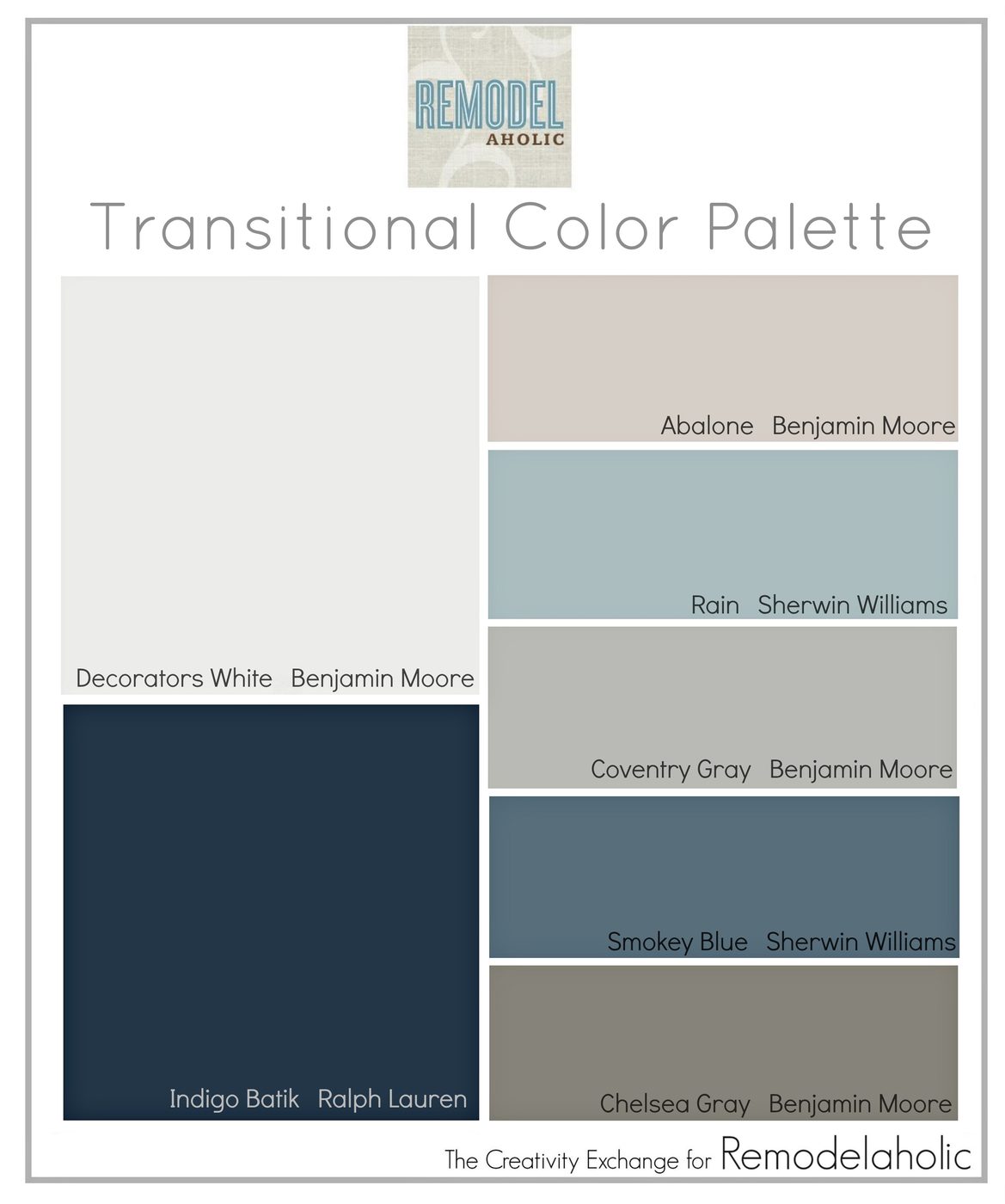
Learn more about what a transitional paint color is and see our picks for the best paint colors that work with wood flooring and trim.
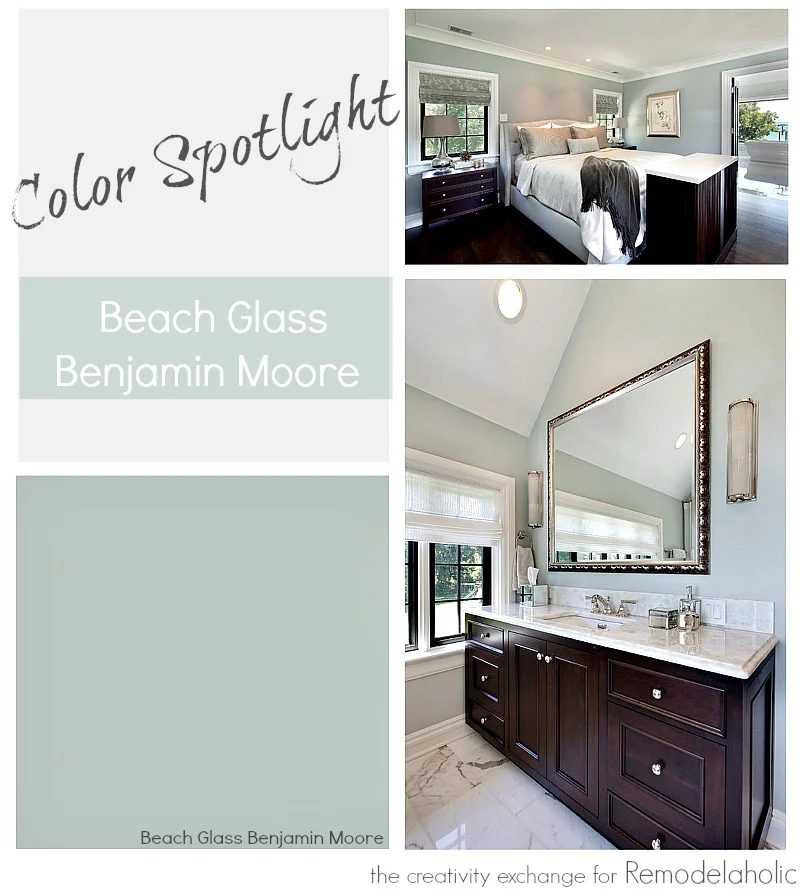
Benjamin Moore: Beach Glass
Hi Bekob! It’s Cyndy from The Creativity Exchange back with my monthly paint color inspiration.
Rather than share a whole color paint palette (like I usually do), I wanted to do a “Color Spotlight” to focus on one really solid and versatile paint color that is quickly becoming one of the most popular colors out there.
It’s very rare for one paint color to universally work for every lighting situation and at the same time also be the well fitted transitional color but Beach Glass from Benjamin Moore is about as close as we can get. It’s one of the top paint color favorites for a reason!
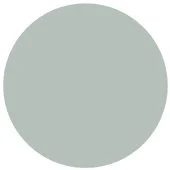
Benjamin Moore Beach Glass
- Light Reflectance Value (LRV)*: 49.7
- Hue Family: Blue-Green (with Gray Undertones)
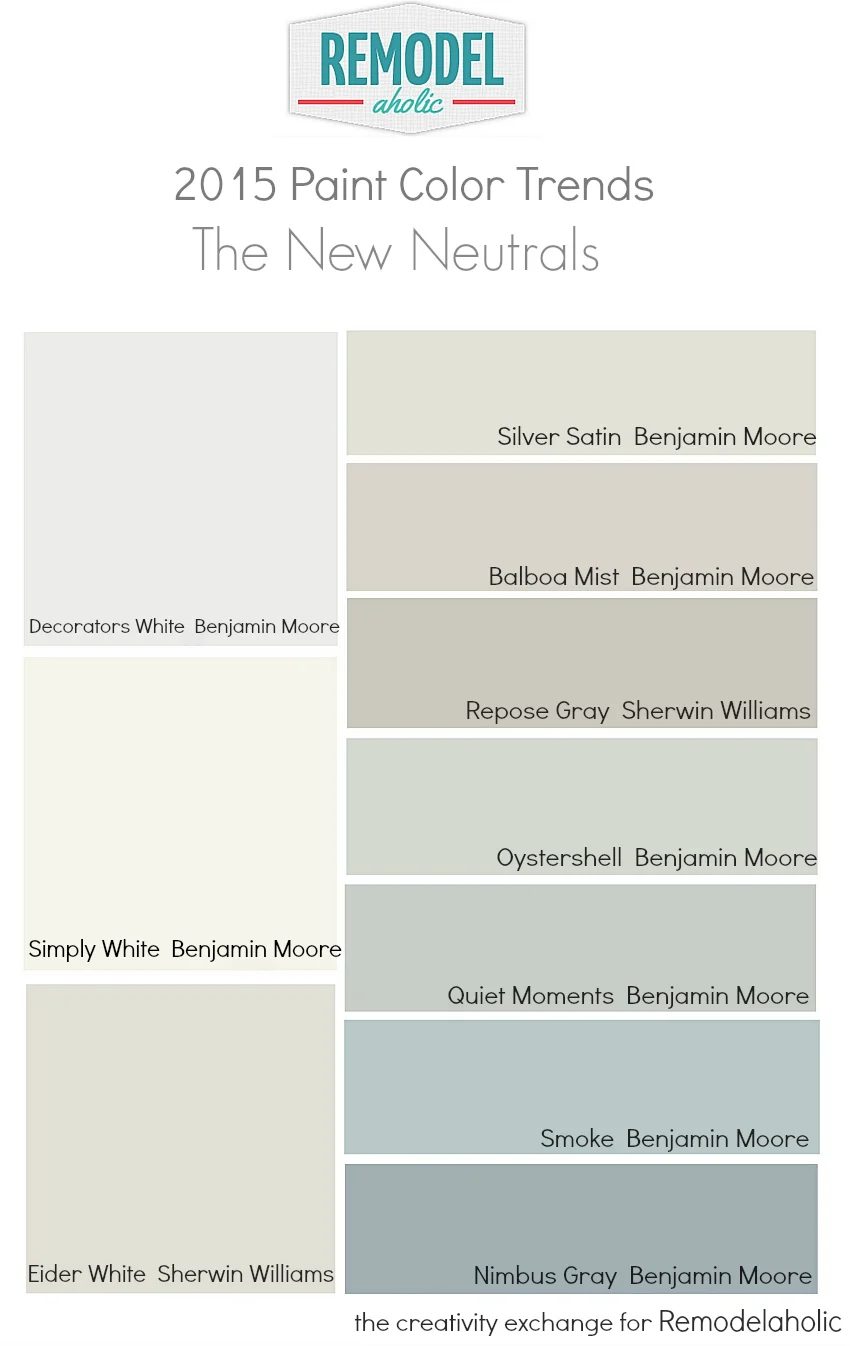
- Related Shades: Healing Aloe Quiet Moments
*LRV is a value (0-100) commonly used by design professionals to represent what percentage of the light a surface reflects. LRV 0 is absolute black and LRV 100 is pure white.
get a peel and stick paint sampleWhere to Use Benjamin Moore Beach Glass
Beach Glass is one of the few paint colors that can be used in pretty much any room in the house, any lighting situation. This blue-gray paint color is ideal for anywhere you want a calming spa vibe.
Before I go into the science of why this color universally works so well, let me show you Beach Glass at its best in different rooms of a home. There’s a reason why it’s part of the Classic Color Collection and also one of Benjamin Moore’s most popular colors!
Beach Glass used in a bedroom:
used in a bathroom:
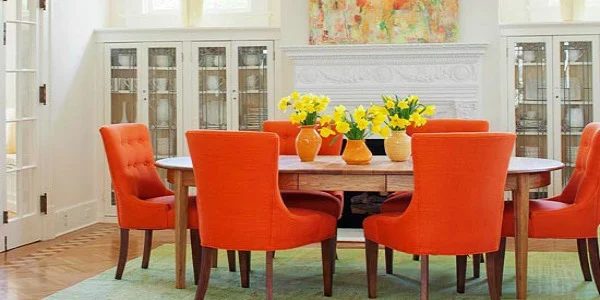
in a kitchen:
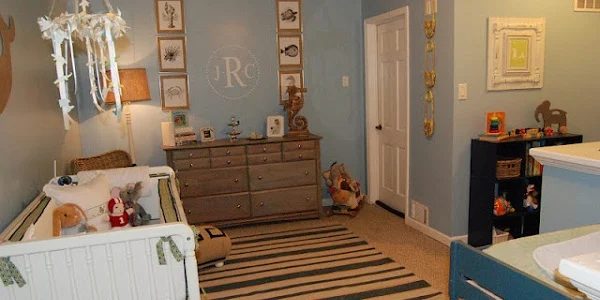
used in a child’s room:
Beach Glass used in a laundry room:
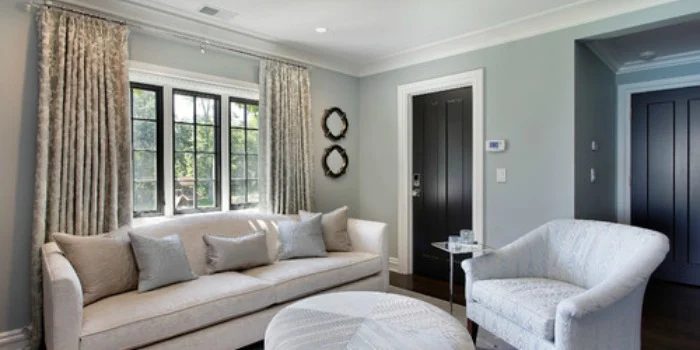
used in a living room:
What Sheen Paint to Use Where
Paint sheen refers to luster: how shiny the finished painted surface looks. A paint’s sheen is related to its durability. There are 5 commonly used paint sheens that are used for different applications. Pick the sheen of your choice for your project:
- Flat or matte sheen is commonly used for ceilings or other uneven surfaces to hide imperfections on less-than-well fitted surfaces. Flat paint can only withstand very gentle scrubbing with soap, so it’s best used in low-traffic areas where minimal washing is needed.
- A flat enamel paint has the look of a flat finish and is formulated to have a protective barrier at the surface, making it more durable than a plain flat paint while maintaining the look of a matte finish.
- Eggshell sheen is the middle of the sheen spectrum: mostly matte, low shine, and moderately durable. It can be used on walls and ceilings and is a great option for added durability while still minimizing imperfections — great for bedrooms, hallways, and living rooms. Most paint samples come in eggshell.
- Satin or pearl sheen is a low-gloss versatile luster, the most popular finish, and our Bekob pick for most of our home. The slight glow looks great and makes for an straightforward-to-clean surface. Satin paint is food for a wide variety of surfaces and durable for high-traffic areas like kitchens, high-humidity environments like bathrooms, and kids’ rooms.
- Semi-gloss sheen is a mid-gloss with extra durability. Cabinets, doors, base moldings, window frames and trim are commonly painted with semi-gloss paint with striking results.
- Gloss or high-gloss sheen is shiny, striking, and durable — and will also show even slight imperfections and fingerprints. Gloss paint is typically used in high-end finishes for homes and commercial applications.
Use Beach Glass in Low Natural Light and Artificial Light
The fact that this color works so beautifully in almost any room in the home in itself a reason to use it but what is even better about the color is it also looks memorable in poor lighting situations.
Little natural light in a dark bedroom:
Beach Glass doesn’t change color much and looks striking in spaces with predominate artificial light (little or no natural light):
You can really see it best here below in this bathroom that has no natural light and only poor artificial light:
more Popular paint colorsTransitional Beach Inspired Hues
- Sherwin-Williams Sea Salt
- Benjamin Moore Healing Aloe
- Benjamin Moore Aegean Teal
- Benjamin Moore Wythe Blue
Why Beach Glass is the well fitted Paint Color
Beach Glass works so well because it’s a near well fitted 50/50 balance of warm and cool undertones. It’s also a well fitted mix of gray/blue/green, which gives the color rich depth and it makes it an ideal transitional color that can work with almost any color or wood tone.
Finding colors for warmer wood tones is always a challenge but Beach Glass rises to the task and perfectly compliments wood trims and floors:
If you’re looking for a really safe bet and vivid color for a room in your home, Benjamin Moore Beach Glass is certainly one of the most versatile colors to consider.
As a reminder, even though Beach Glass is extremely versatile, be sure and get a sample and paint on poster board and tape to your wall before buying it just to make sure it’s exactly what you’re looking for.
Also, you can always have more white added at the paint store if you want to lighten the color as well.
HOW TO TEST A PAINT COLOR
When you’ve chosen the well fitted color (or several) — be sure to test it out before splurging for the gallon of paint!
- Get a sample tester or, even easier, a peel and stick paint sample swatch!
- Use an online paint color visualizer or paint color mobile app to test the paint color using a photo of your room.
- Follow our paint expert’s tips here for choosing and testing a paint color.
If you would like to see more of my go-to versatile paint colors, you can look at my color palette of the new transitional colors on my blog paint palette Also, I have a board on Pinterest called paint palette filled with more than 500 paint colors and examples of colors in spaces, if you’re looking for even more options and inspiration.
Thanks for stopping by today!
Cyndy
Benjamin Moore Beach Glass FAQs
What color is Benjamin Moore Beach Glass?
Beach Glass is an refined calming blue-green paint color with a gray undertone. The balance of warm and cool tones means Beach Glass is fitted to a variety of spaces and lighting conditions, adding color to a neutral space while still being neutral enough to be part of a whole home paint color scheme.
Is Benjamin Moore Beach Glass warm or cool?
Beach Glass leans cool, and is a nearly perfectly balanced transitional color with both warm and cool tones.
See more balanced transitional paint colors.
What colors go with Benjamin Moore Beach Glass?
Due to the gray undertone and balanced warm and cool tones, many colors pair well with Beach Glass.
- Benjamin Moore Snow White (cool white with blue undertones)
- Benjamin Moore clearly White (cool off-white)
- Benjamin Moore Midnight Blue (deep gray-blue)
- Benjamin Moore Sea Haze (medium gray with green undertones)
- Benjamin Moore Man on the Moon (creamy yellow)
- Benjamin Moore Grenadier Pond (medium green with gray undertones)
Sample paint colors the straightforward way!
GET A PEEL AND STICK PAINT SAMPLE
It’s the no-mess, no-stress way to quickly and easily test a paint color.
Looking for more great paint colors? Try these Benjamin Moore paint selections:
and these curated palettes:
More transitional colors (work well with both warm and cool tones)
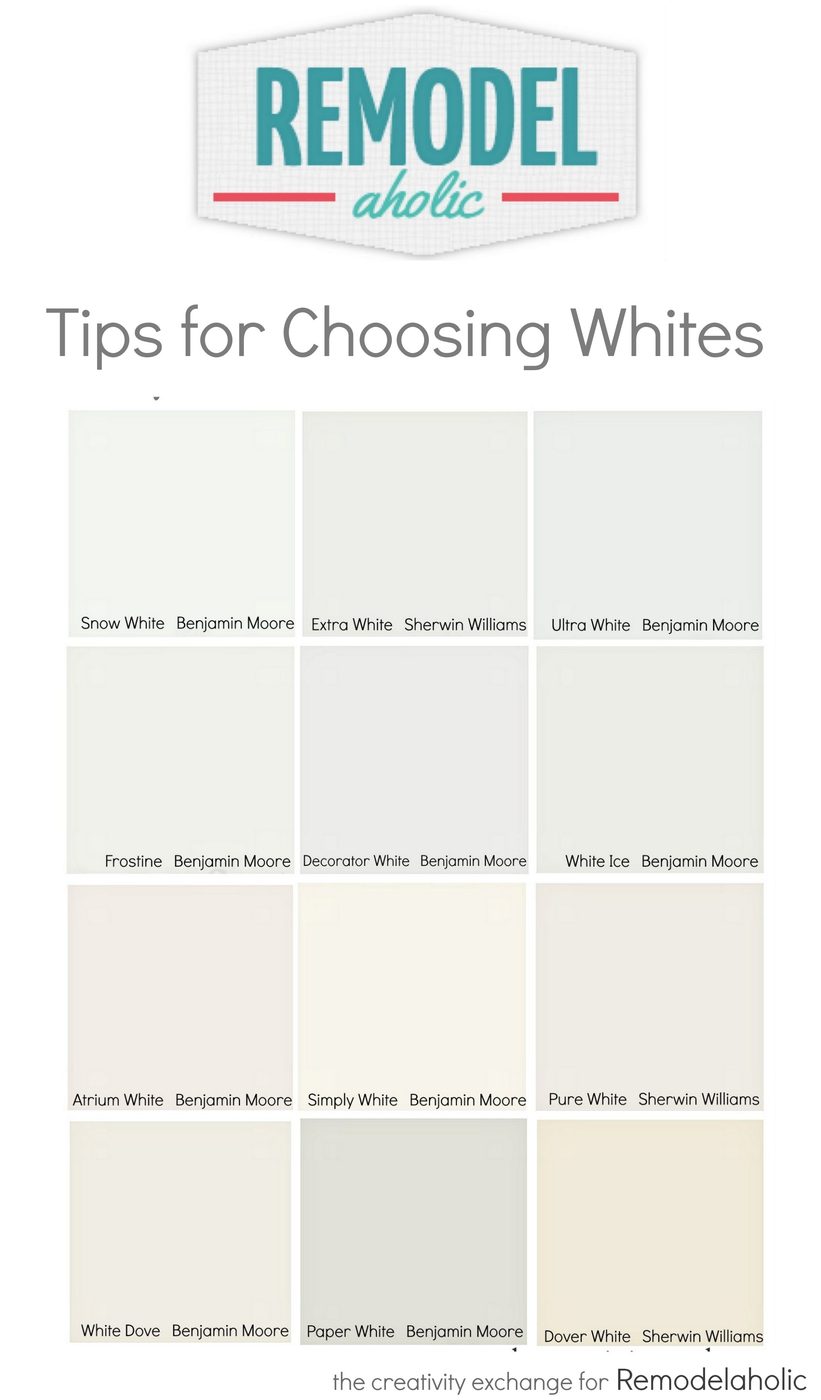
Choosing the well fitted white paint color
Calculate: How much paint do I need?
Making an extra trip back to the paint store in the middle of the project is such a drag. Calculate how much paint you need for your walls with the direct math of the following formula:
Calculate the total wall area:
- Measure the length of each wall you are painting, end to end – and add those lengths together for the total perimeter of the room, in feet.
- Measure the wall height, in feet (round up if needed).
- Multiply the length x height for the total square footage of the walls.
Then, figure doors and windows to account for the actual amount of wall area.
- Subtract 20 sq ft for a standard door.
- Subtract 15 sq ft for a standard window (3x5ft).
- To calculate a non-standard door or window size, multiply width x height and subtract that from your original calculation.
One gallon of paint covers 350-400 square feet *for one coat of paint*. (Primer will cover 200-300 square feet.) You can also check the label to see the specific manufacturer info about coverage.
Divide the square footage of the wall space by 400 (and then round up if needed). This is the amount of wall paint, in gallons, that you need for one coat of paint.
Most walls will need 2 coats of paint, unless you’re recoating with the same color. So double the number of cans to get the right amount of paint for your room.
Paint coverage varies slightly by application method (brush vs roller vs spray), but the differences aren’t typically large enough to factor in, so this rough estimate number serves us well.
TIP: While you’re painting, grab a paint touch up pen or no-mess paint brush can and fill with paint. Label it and store it so you’re ready for a quick paint touch-up when you need it.