

The Unseen Hurdles of Minimalism: Expert Insights on Embracing a Simpler Life
Minimalism, with its captivating appeal of clean lines, serene uncluttered spaces, and an unwavering emphasis on simplicity, has transcended mere trend status to become a significant design philosophy and lifestyle choice in recent years. While its core tenets might appear straightforward – a dedication to living with less, focusing on quality over quantity – the journey of truly embracing minimalism can be far more intricate and demanding than commonly perceived.
Beyond the aesthetically pleasing Instagram feeds and aspirational home tours, lies a landscape of hidden challenges that even seasoned design professionals encounter. In this comprehensive exploration, we’ll delve deep into the less-discussed obstacles of minimalism, offering valuable insights directly from experienced designers who have navigated its complexities with countless clients. Discover what it truly takes to achieve a harmonious and functional minimalist space.
7. Letting Go of Sentimental Items

One of the foundational pillars of minimalism is the commitment to declutter and thoughtfully eliminate items that no longer serve a purposeful function or bring genuine joy. However, for a significant number of individuals, this principle directly confronts the deeply emotional process of parting with sentimental belongings. These are not merely objects; they are tangible anchors to cherished memories, significant life events, and beloved people, making their release an emotionally taxing and often overwhelming experience.
Designer Insight: “The most profound challenge we face is helping clients navigate the emotional landscape of decluttering sentimental items. It’s far more than just tidying; it’s an exercise in confronting memories and identities tied to possessions. We often find ourselves in a delicate dance, balancing the minimalist imperative to declutter with the profound human need to preserve cherished memories. Strategies include creating dedicated ‘memory boxes’ for a select few items, encouraging digital archiving of photos and letters, or re-framing the items’ purpose from ‘holding memory’ to ‘blocking progress.’ It’s about empowering clients to curate their past rather than being overwhelmed by it.”
This hurdle often requires a gentle, phased approach, acknowledging the psychological impact before celebrating the liberation that comes with a curated, meaningful collection of memories rather than a mountain of forgotten relics. It’s about evolving one’s relationship with possessions, understanding that memories reside within us, not solely within objects.
6. Finding the Right Balance Between Simplicity and Warmth

While minimalism champions simplicity and clarity, there’s a fine, often elusive line between creating a serene, uncluttered environment and designing a space that feels sterile, cold, or even unwelcoming. Overzealous application of minimalist principles can strip a room of its inherent warmth, personality, and the subtle textures that make a home feel inviting. The goal is not emptiness, but rather intentionality and breathable space.
Designer Insight: “Achieving that perfect equilibrium where a space feels open, uncluttered, and incredibly inviting, without leaning into austerity, is a constant and creative challenge. Our focus shifts from adding more to refining what’s there. We meticulously consider how natural light interacts with surfaces, the tactile qualities of textiles and furnishings, and the strategic inclusion of organic elements like plants or natural wood. The goal is to evoke a sense of calm and sophistication, ensuring the space speaks volumes through its carefully chosen components rather than its sheer quantity. It’s about creating an atmosphere that encourages relaxation and connection, rather than one that feels like a showroom.”
This balance involves a nuanced understanding of human psychology in design, recognizing that while too much clutter can cause anxiety, too little sensory input can lead to a feeling of detachment. Thoughtful layering of textures, a subtle interplay of natural and artificial light, and the strategic placement of a few highly curated items are crucial for infusing warmth into minimalist aesthetics.
5. Selecting the Right Materials: Quality, Durability, and Story
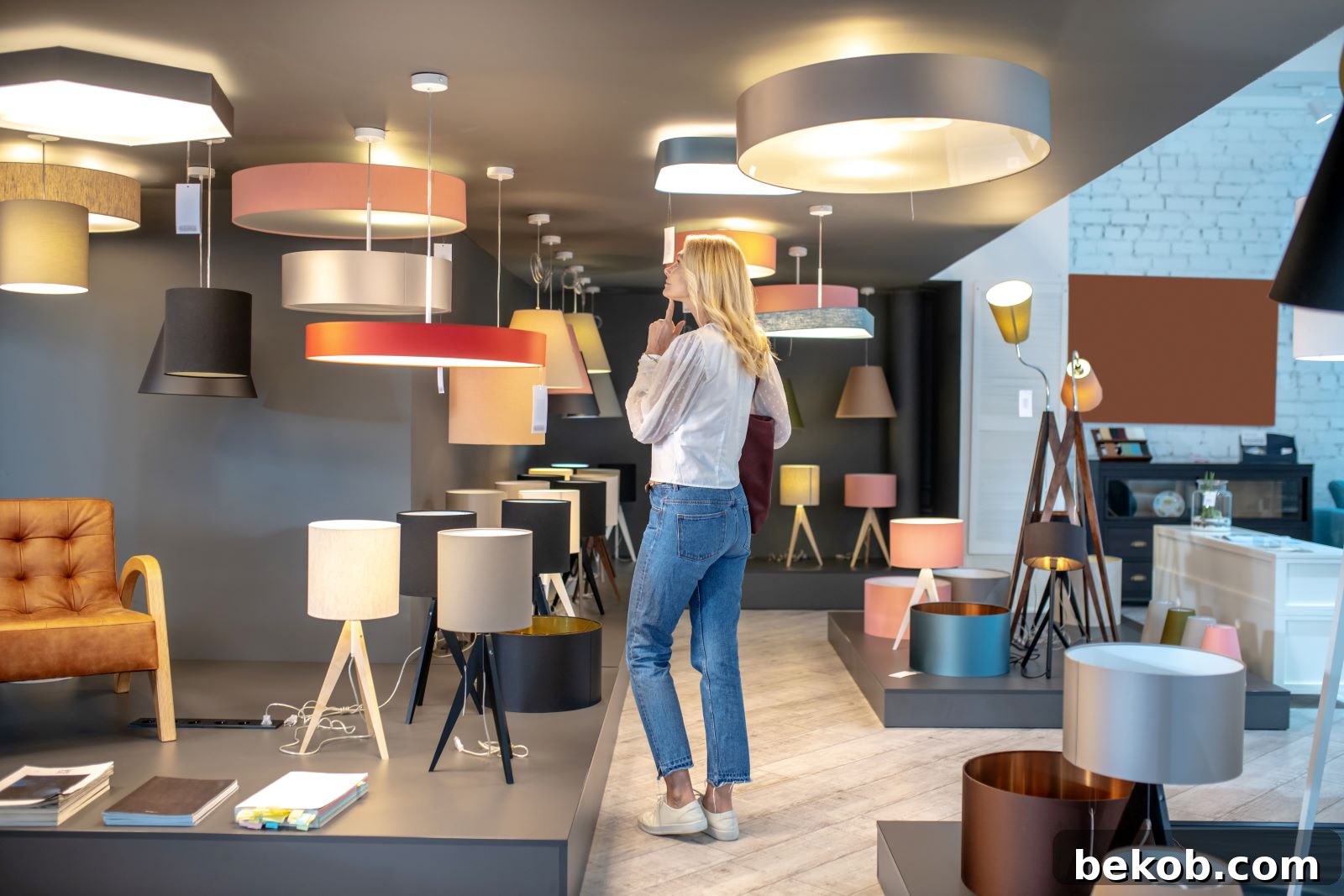
In a minimalist environment, where every item is meticulously chosen and excess is eschewed, the selection of materials transcends mere aesthetics; it becomes a fundamental statement of quality, durability, and timelessness. With fewer elements to distract the eye, each material choice is magnified, demanding a deeper consideration than in more maximalist styles. This means designers face the demanding task of sourcing and integrating materials that are not only visually appealing but also inherently functional, sustainable, and capable of conveying a sense of understated luxury.
Designer Insight: “The adage ‘less is more’ rings particularly true when it comes to materials in minimalism. We operate under the principle that quality materials are not just important, they are paramount. They must possess an intrinsic beauty that allows them to stand out in their simplicity, communicating a sense of enduring value and luxury without overt embellishment. This requires an in-depth understanding of various materials – their textures, aging properties, and how they interact with light and other elements. From rich hardwoods and natural stone to refined metals and sustainable fabrics, each selection must contribute to a cohesive, sophisticated narrative that speaks to longevity and craftsmanship. It’s an investment in the future of the space, ensuring it remains elegant and resilient over time.”
The challenge extends to finding materials that resonate with the client’s values, whether that’s sustainability, local craftsmanship, or specific tactile experiences. The limited palette of a minimalist design means that the subtle variations in grain, texture, and finish of chosen materials must work harder to provide visual interest and depth, preventing the space from feeling flat or uninspired. This thoughtful curation of materials elevates a minimalist space from merely sparse to profoundly sophisticated.
4. Intelligent Storage Solutions: The Invisible Foundation of Clutter-Free Living
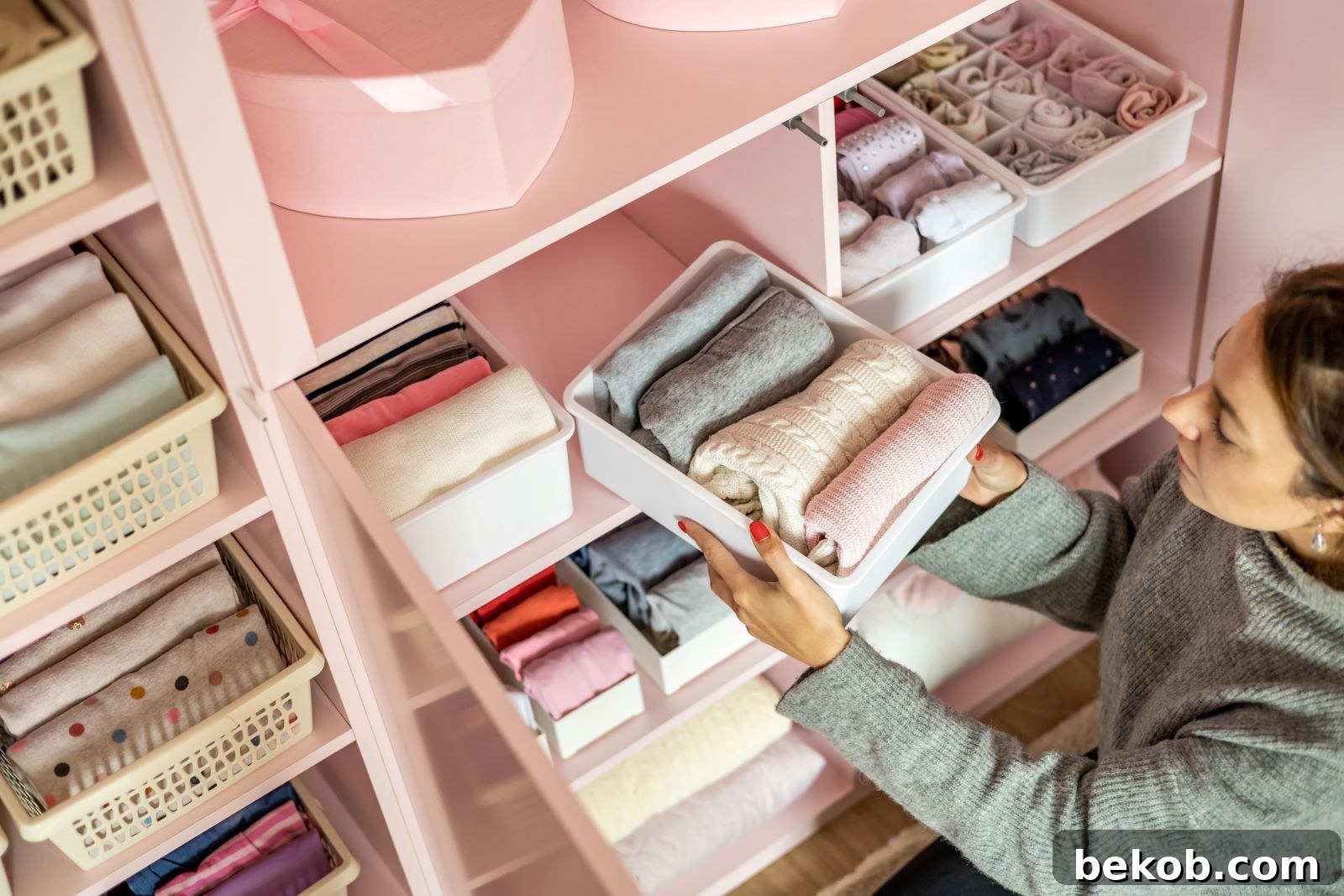
Paradoxically, achieving truly minimalist spaces, characterized by their uncluttered surfaces and open feel, demands an extraordinary level of thoughtful and often unseen storage. The absence of visible clutter doesn’t mean the absence of possessions; it means those possessions must be meticulously organized and discreetly housed. This presents a significant design challenge: how to provide ample, functional storage without compromising the clean lines and spaciousness that define the minimalist aesthetic.
Designer Insight: “In minimalist design, visible clutter is the ultimate enemy. Our approach revolves around creating custom, integrated storage solutions that are virtually invisible, blending seamlessly into the architectural fabric of the space. This means meticulously designing built-in cabinetry, hidden compartments, multi-functional furniture, and intelligently organized drawers and shelving systems that maximize every inch of available space. The goal is to provide intuitive homes for every item, ensuring that functionality is never sacrificed for aesthetics. From bespoke wall units that double as display areas to under-bed storage and cleverly concealed pantry systems, every solution is tailored to the client’s needs, maintaining the serene minimalist aesthetic while delivering unparalleled organizational efficiency.”
This challenge requires innovative thinking, often pushing designers to explore bespoke joinery, smart technological integrations, and modular systems that can adapt to evolving needs. The success of a minimalist space often hinges on the intelligence of its hidden storage, allowing residents to maintain order effortlessly and enjoy the tranquility of their surroundings without constant battles against encroaching items.
3. The Commitment to Maintenance: Keeping Pristine Spaces Immaculate
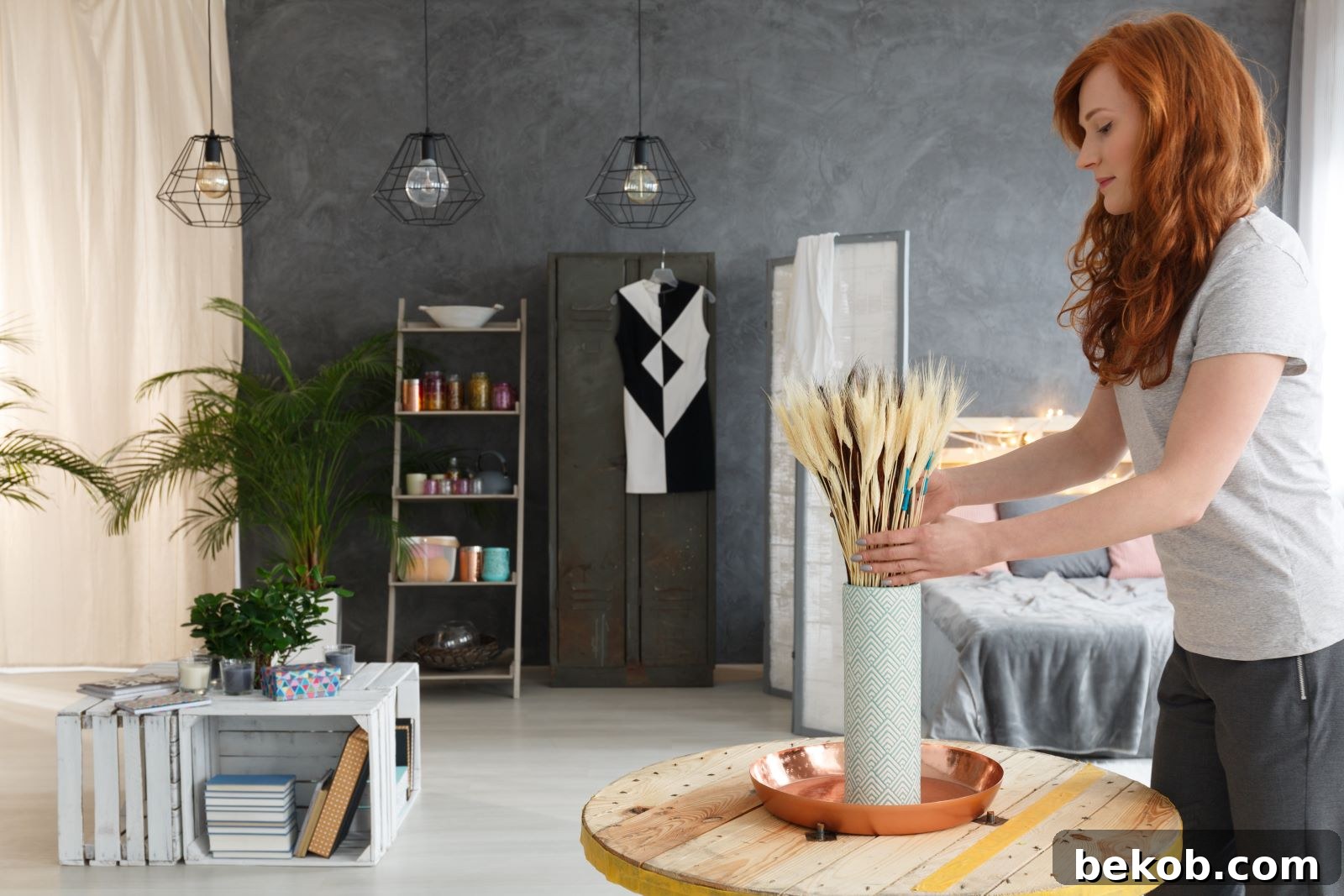
One common misconception is that minimalist spaces are inherently easier to maintain. While there may be fewer items to dust, the reality is that the very characteristics that make these environments so appealing – their clean surfaces, expansive vistas, and lack of ornamentation – also mean that imperfections become far more apparent. A single dust bunny, a stray fingerprint, or even a minor scratch can disrupt the serene aesthetic of an uncluttered space, demanding a higher level of diligence and consistency in upkeep.
Designer Insight: “It’s crucial to set realistic expectations for clients regarding the ongoing maintenance required for a truly pristine minimalist space. We emphasize that while the initial decluttering is liberating, maintaining that sense of order and cleanliness demands daily engagement. Our design choices often lean towards materials that are durable and relatively easy to clean, but clients still need to be aware that transparent surfaces, polished floors, and smooth, monochrome walls will inevitably highlight every speck and smudge. We often provide guidance on effective cleaning routines and even suggest integrating smart home technology for automated cleaning to ease the burden. It’s an ongoing commitment, but one that rewards with lasting tranquility.”
Therefore, designing for minimalism isn’t just about initial setup; it involves educating clients on the habits required to sustain the aesthetic. Choosing resilient, low-maintenance finishes can mitigate some of the work, but ultimately, the success of a minimalist environment relies on a commitment to regular, thoughtful maintenance to preserve its intended beauty and calm.
2. Dealing with Limited Color Palettes: The Art of Subtle Expression

Minimalism is renowned for its often subdued and limited color palettes, typically favoring neutrals like white, grey, beige, and black. While this approach undoubtedly contributes to a sense of calm and spaciousness, it can also present a significant creative constraint. The challenge for designers lies in preventing these spaces from feeling monotonous, cold, or lacking in visual depth and personality. Simply removing color is not enough; the artistry comes from making a limited palette feel rich and engaging.
Designer Insight: “When working with a limited color scheme, texture and lighting don’t just become important; they become the unsung heroes of minimalist design. These elements are vital for adding depth, visual intrigue, and a palpable sense of warmth that color might otherwise provide. We explore a diverse range of textures – from rough linen and soft wool to polished concrete, natural wood grains, and smooth ceramics – to create a sensory experience that is both subtle and profound. Likewise, the manipulation of natural light, through thoughtful window treatments, and the strategic placement of artificial lighting fixtures can dramatically alter the mood and perception of space throughout the day. A well-placed sculptural lamp or a nuanced play of shadows can bring a monochromatic room to life, proving that you don’t need a riot of colors to achieve a rich and dynamic interior.”
Beyond texture and light, designers often introduce subtle patterns, varying material finishes, and carefully selected natural elements like plants or stone to inject organic interest. The skill lies in understanding how these elements interact to create a cohesive, inviting, and visually stimulating environment, proving that simplicity in color can still lead to complex and captivating design.
1. Striking the Right Note of Individuality: Personality in Simplicity
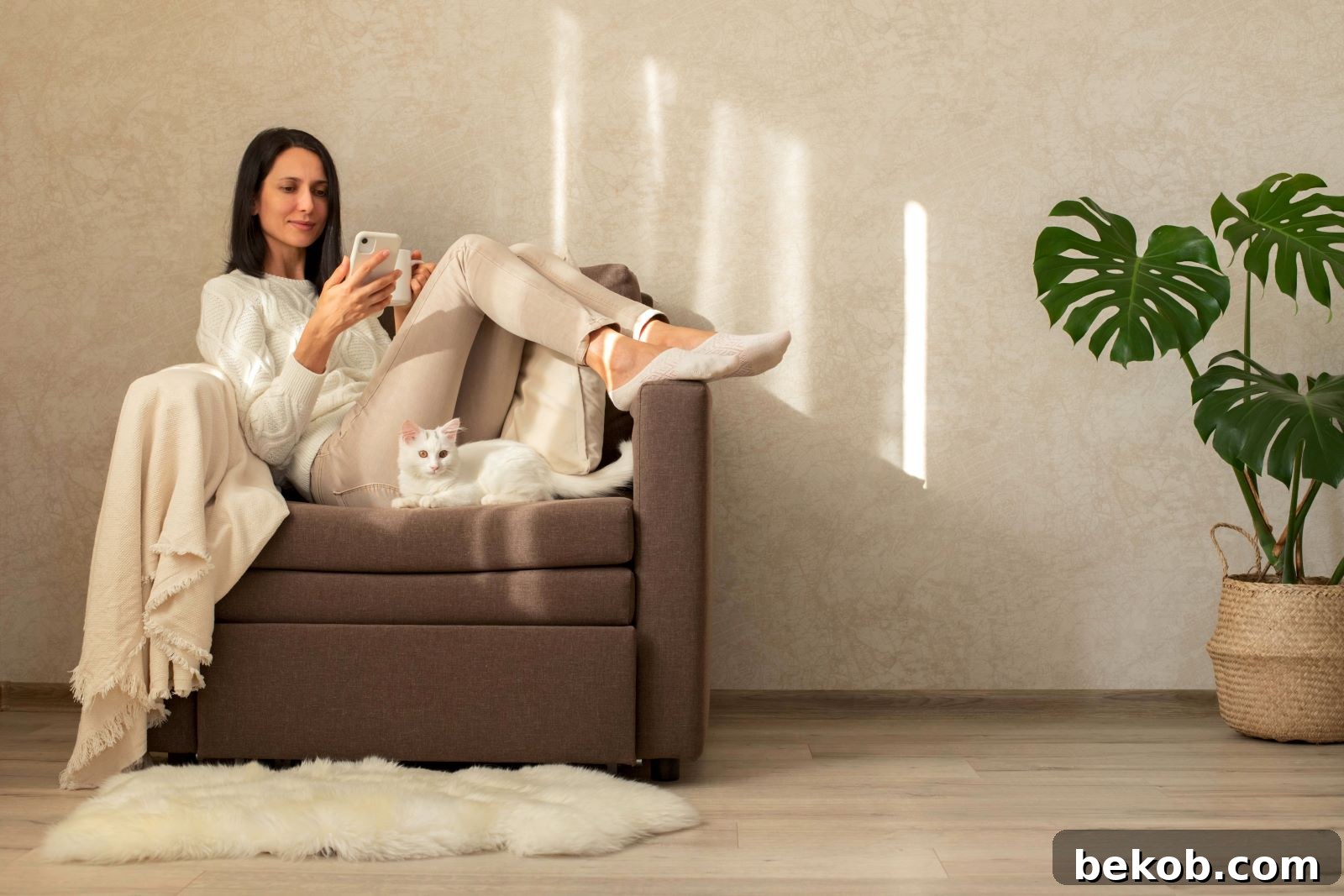
Perhaps the most subtle, yet profound, challenge in minimalist design is creating a space that feels distinctly unique and reflective of its inhabitants’ personalities, all while strictly adhering to the core principles of simplicity and restraint. There’s a risk that a rigid application of minimalist rules can result in spaces that feel generic, sterile, or like a hotel showroom, devoid of the unique character that transforms a house into a home. The true art lies in infusing personal narrative without introducing clutter.
Designer Insight: “The ultimate challenge, and often the most rewarding aspect, is making each minimalist space feel profoundly personal without compromising the foundational philosophy of minimalism. It’s about distilling a client’s essence into a curated environment. This involves deep conversations to understand their passions, their daily routines, their most cherished memories, and their preferred forms of relaxation. We then translate these insights into carefully selected pieces of art, a single heirloom, bespoke furniture tailored to their lifestyle, or unique textural elements that resonate with their individual taste. The goal is for the space to whisper their story, rather than shout it, demonstrating that minimalism is not about absence, but about the powerful presence of what truly matters to the individual.”
This requires a high degree of empathy and skillful curation from the designer. It involves identifying and strategically incorporating items that hold significant meaning or artistic value, ensuring they stand out as focal points rather than contributing to visual noise. When successfully achieved, a minimalist home becomes a deeply personal sanctuary, a clear reflection of the owner’s identity, proving that individuality can flourish even within the most refined and simple aesthetic frameworks.
While minimalism presents an alluring vision of serene and elegant design, it is undeniably a path fraught with unique challenges. Designers who commit to this influential style must adeptly navigate the complexities of emotional attachment, the delicate balance between functional austerity and inviting warmth, the meticulous selection of superior materials, the innovation required for invisible storage, the ongoing commitment to pristine maintenance, the creative constraints of limited color palettes, and ultimately, the profound task of imbuing each space with a distinct sense of individuality. Overcoming these hurdles transforms a stark aesthetic into a vibrant, lived-in experience.
These ‘hidden challenges’ serve as a crucial reminder that minimalism, though inherently beautiful and often sought after, demands far more than just decluttering. It requires thoughtful consideration, profound expertise, and a deep understanding of both design principles and human psychology to truly excel in its execution, culminating in spaces that are not only visually stunning but also deeply resonant and functional for their inhabitants.
Overwhelmed by Clutter? 11 Decluttering Tips to Lift Your Spirits!

The journey to a clutter-free space can often feel daunting, especially when emotional attachments to belongings complicate the process. To successfully conquer these psychological hurdles and truly liberate your living environment, you need a strategic approach that goes beyond mere organization. Explore our curated list of 11 transformative ways to conquer the emotions of decluttering, guiding you towards a profound sense of peace and freedom in your home.
Unlock the Power of Minimalism for a Better Life!

Are you feeling overwhelmed by the relentless stress and pervasive clutter that seem to dominate modern life? We understand, and we’re here to tell you that minimalism might just be the profound answer you’ve been seeking. Discover how the transformative minimalist movement can dramatically enhance your life in countless profound ways, from reducing anxiety to fostering greater intentionality and focus.
Forbidden Zone: 11 Things I’d Never Allow in My Bedroom!

Design Don’ts: 10 Choices That Make Your Home Look Cheap

Are you fully aware that certain common interior design choices, often made with the best intentions, can inadvertently detract from the perceived value and aesthetic appeal of your home, making it appear less sophisticated than it truly is? In this enlightening article, we’ll uncover 10 critical design don’ts. By consciously avoiding these prevalent pitfalls, you can effortlessly elevate your home’s ambiance, ensuring it projects a more upscale, cohesive, and aesthetically pleasing impression to all who enter.