
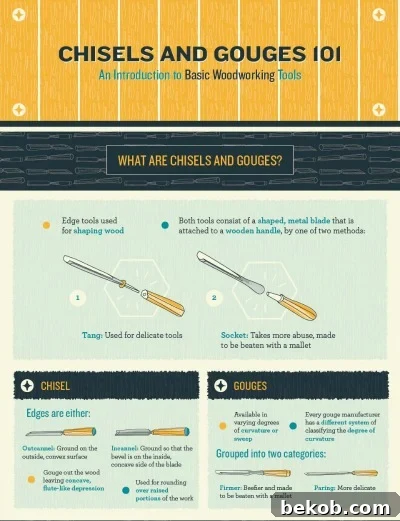
Essential Woodworking Tools for Beginners: Your Ultimate Guide

Starting out in woodworking can feel a bit overwhelming, especially when you’re faced with a seemingly endless array of tools. But fear not! This comprehensive guide breaks down the essential woodworking tools every beginner needs to get started, helping you build your skills and tackle exciting projects with confidence. We’ll cover everything from hand tools to power tools, ensuring you have a solid foundation to launch your woodworking journey.
Let’s dive into the core tools you’ll need to transform your woodworking aspirations into reality.
Understanding the Basics: Hand Tools vs. Power Tools
Before we jump into specific tools, it’s helpful to understand the difference between hand tools and power tools. Hand tools are the foundation of any woodworking shop, offering precision, control, and a satisfying tactile experience. Power tools, on the other hand, bring speed and efficiency to your projects, making tasks easier and quicker. A balanced approach, incorporating both, is generally the best for beginners.
Hand Tools: The Cornerstones of Woodworking
Hand tools are fundamental, allowing for precise control and a deeper connection to the craft. Here’s a look at some essential hand tools:
- Measuring Tools: Accurate measurements are crucial. A good quality tape measure is your best friend. A combination square and a marking knife are also invaluable for precise marking and layout.
-
Saws:
- A hand saw (crosscut saw) is used for cutting across the wood grain, while a rip saw is for cutting along the grain. A coping saw is great for intricate curves and shaping.
- A pull saw (Japanese saw) is an excellent addition, known for its thin kerf and precision.
- Chisels: Chisels are used for shaping wood, removing waste, and creating joints. A set of chisels of various sizes is ideal.
- Clamps: Clamps are essential for holding pieces of wood together while glue dries, providing stability during cutting, and assembly. A variety of clamps, like C-clamps and bar clamps, are helpful.
- Hand Planes: Hand planes are used for smoothing surfaces and creating perfectly flat edges. A block plane is a versatile choice for a beginner.
- Mallet: A mallet is used to drive chisels and other hand tools.
- Sanding Block & Sandpaper: Essential for smoothing surfaces and preparing wood for finishing. Start with coarser grits and work your way up to finer grits for a smooth finish.
Power Tools: Accelerating Your Woodworking
Power tools can dramatically increase your efficiency and expand your project capabilities. However, always prioritize safety when using them. Here are some key power tools for beginners:
- Power Drill: A cordless drill/driver is an essential for drilling holes, driving screws, and assembling projects.
- Circular Saw: A versatile tool for making straight cuts on large pieces of wood. Ensure you understand the safety features and proper use.
- Jigsaw: Ideal for cutting curves and intricate shapes that are difficult with a circular saw.
- Orbital Sander: Makes sanding projects much faster and more efficient.
- Router (Optional): A router can be used to create decorative edges, grooves, and joinery. It is a good tool to acquire as your skills grow.
Safety First: Essential Safety Equipment
Woodworking can be a rewarding hobby, but safety should always be your top priority. Always wear appropriate safety equipment when working with tools:
- Safety Glasses: Protect your eyes from flying debris.
- Dust Mask or Respirator: Protect your lungs from wood dust, especially when sanding or using power tools.
- Hearing Protection: Power tools can be loud. Use earplugs or earmuffs to protect your hearing.
- Work Gloves: Provide grip and protect your hands.
Choosing the Right Tools: Quality vs. Budget
When starting out, it can be tempting to buy the cheapest tools available. While staying within budget is essential, consider investing in quality tools, especially for hand tools. Higher-quality tools often perform better, last longer, and can be more enjoyable to use. You can always add to your collection as your skills and projects demand more specialized tools. Look for sales, and consider buying used tools in good condition to save money.
Getting Started: Your First Woodworking Projects
Once you have your basic tools, it’s time to start building! Begin with simple projects to build your skills and confidence. Some excellent beginner projects include:
- A Simple Shelf: A great way to practice measuring, cutting, and joining wood.
- A Basic Toolbox: Provides a practical project and a place to store your tools!
- Picture Frames: A good project for practicing accurate cuts and simple joinery.
- Cutting Boards: A small project that will help you refine your skills with hand tools and finishing.
Beyond the Basics: Expanding Your Woodworking Skills
As you gain experience, you’ll naturally want to expand your skills and tool collection. Consider investing in:
- A Table Saw: A powerful tool for making accurate cuts on larger pieces of wood.
- A Miter Saw: Ideal for making precise angled cuts.
- A Router Table: Provides a stable platform for using your router, increasing its versatility.
- A Planer and Jointer: For preparing rough lumber and creating perfectly flat surfaces.
Don’t be afraid to experiment with new techniques, explore different wood species, and find your own woodworking style.

Infographic courtesy of Fix.
Conclusion: Embark on Your Woodworking Journey
Woodworking is a rewarding craft that combines creativity, skill, and a deep satisfaction in creating something tangible with your own hands. This guide provides a solid foundation to get you started. By investing in the right tools, prioritizing safety, and practicing consistently, you can unlock a world of creative possibilities. So, gather your tools, choose a project, and begin your woodworking adventure! Happy building!