
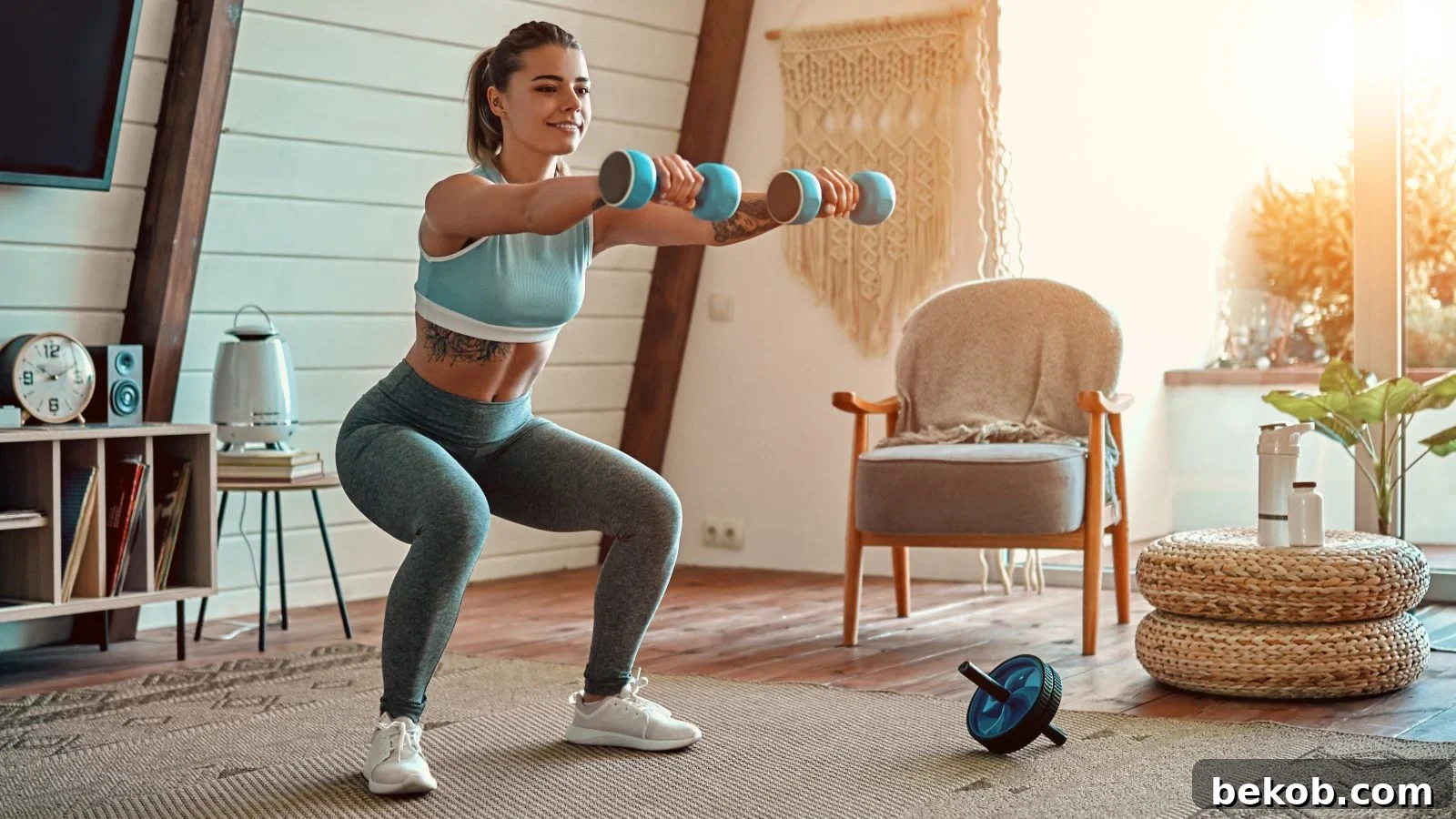
Welcome to the era where your home can truly transform into your personal fitness sanctuary! As global consciousness shifts towards prioritizing health and well-being, the allure of creating an ideal workout space within the comfort and privacy of your own home has become more compelling than ever. Gone are the days when a gym membership was the only path to fitness; today, with thoughtful planning and smart choices, your living space can become the ultimate hub for achieving your health goals.
Whether you’re a seasoned fitness enthusiast eager to optimize your exercise routine, a busy parent seeking convenience, or someone just embarking on their wellness journey, this comprehensive guide is designed to empower you. Dive into our ultimate Home Fitness Hacks – a curated collection of tips and strategies for crafting your perfect workout space that inspires consistency, efficiency, and joy.
1. Designing Your Personal Fitness Sanctuary: Choosing the Ideal Workout Area at Home
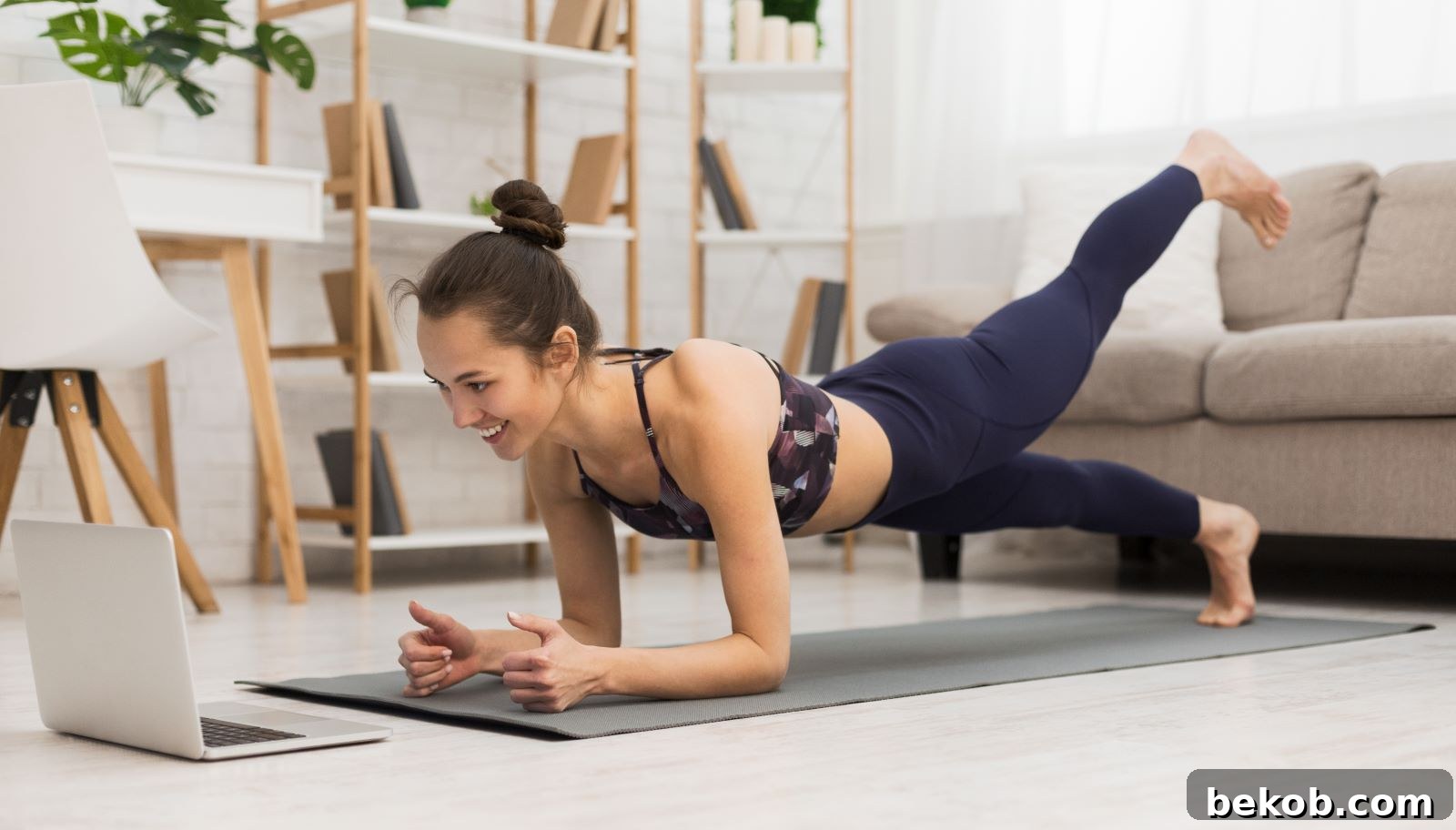
The first and most crucial step in establishing your ideal home gym is selecting the right location. This isn’t just about finding an empty corner; it’s about identifying a space that can genuinely support and enhance your fitness journey. Consider factors beyond mere square footage to ensure your dedicated workout area becomes a motivating haven rather than a neglected storage spot.
Begin by assessing the available space in your home. Do you have a spare bedroom, a corner of a basement, a garage, or even a spacious living room that can be reconfigured? The ideal room should offer sufficient clearance for your intended exercises. Imagine performing your routines – lunges, burpees, yoga poses, or even jumping jacks – without the risk of bumping into furniture or walls. Measure the dimensions carefully to ensure there’s enough room for both your equipment and your full range of motion. A common mistake is underestimating the space required for dynamic movements.
Privacy is another significant consideration. Some individuals thrive in open, active environments, while others prefer a more secluded setting to focus without distractions. If you’re easily distracted, a quieter room away from high-traffic areas of your home might be more suitable. Alternatively, if your space is limited, integrating your workout area into a multi-purpose room, such as a guest room or home office, is entirely feasible with smart organization and clever partitioning.
Think about the ambiance. Does the space feel inspiring? Can it be easily transformed into an environment that energizes you? While we’ll delve deeper into lighting and ventilation shortly, it’s worth noting these aspects during your initial selection process. A space with ample natural light can significantly boost mood and energy levels, making your workouts more enjoyable and sustainable. Ultimately, the room you choose should feel inviting and efficient, allowing you to move freely and access your equipment with ease, setting the stage for consistent and effective training.
2. Equipping Your Home Gym: Essential Gear for Every Fitness Goal
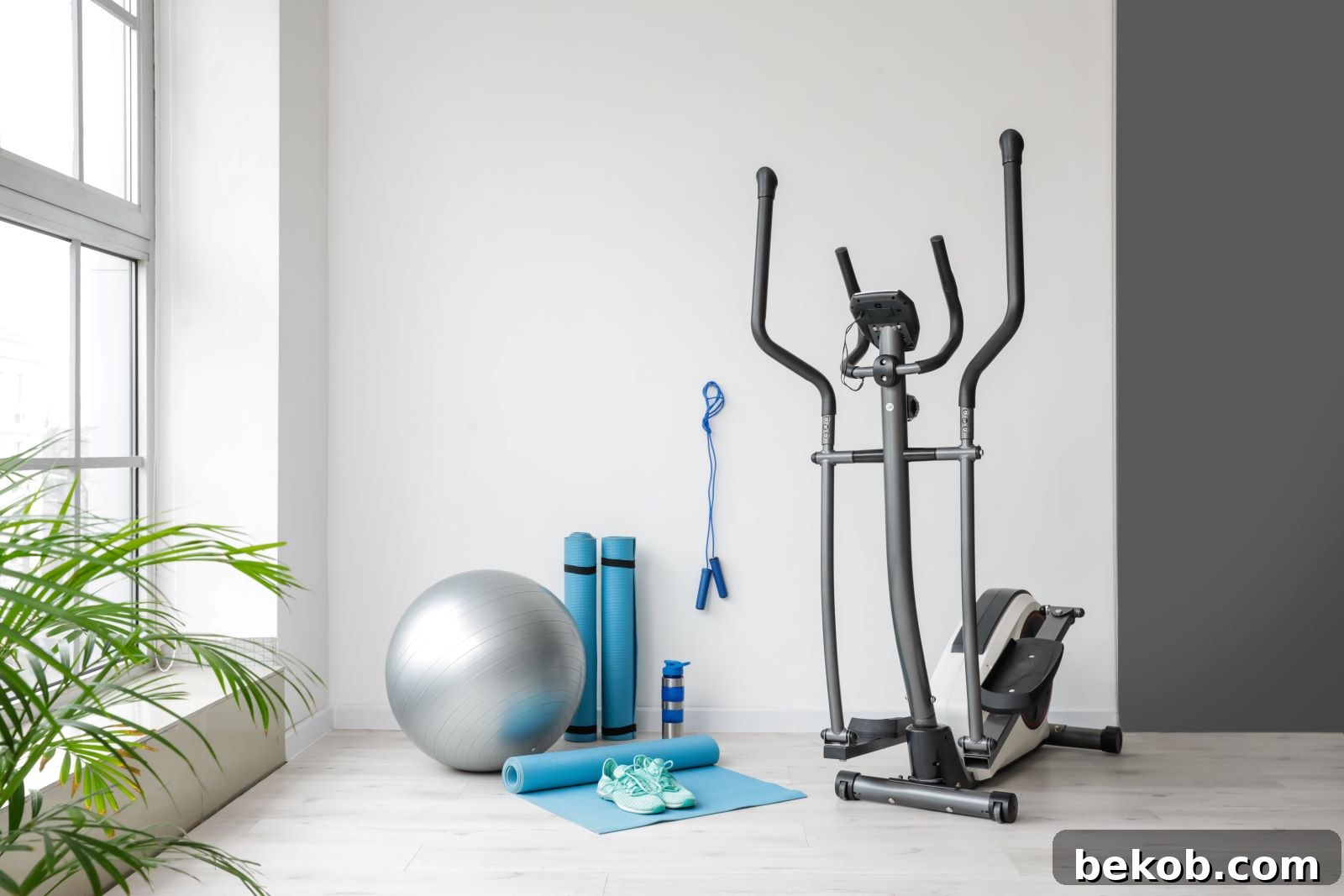
Once you’ve identified your ideal workout area, the next exciting step is to stock it with the right equipment. The key here is to be strategic, aligning your equipment choices with your fitness goals and available space, rather than just buying everything you see. Begin by envisioning the types of workouts you want to perform. Do you aim for full-body strength, intense cardio, increased flexibility, or a combination?
For a robust **strength training** regimen, foundational pieces like dumbbells are invaluable. Adjustable dumbbells are a fantastic space-saving solution, offering a range of weights in a compact design. Complement these with resistance bands – loop bands for glute work and larger tube bands for upper body exercises – which are incredibly versatile, portable, and budget-friendly. Kettlebells are another excellent option for dynamic movements and strength building. For bodyweight exercises, a sturdy pull-up bar (doorframe or wall-mounted) can add significant value.
**Cardiovascular training** is essential for heart health and calorie burn. While high-end treadmills, ellipticals, or stationary bikes are excellent investments if space and budget allow, many effective cardio options exist for smaller setups. A jump rope offers an intense, full-body cardio workout that requires minimal space and is incredibly affordable. For those seeking a treadmill or cycle, explore affordable treadmills or compact cycles designed for home use.
**Flexibility and recovery** are often overlooked but crucial for overall fitness. A high-quality yoga mat is essential not only for yoga and Pilates but also for floor exercises, stretching, and protecting your joints during bodyweight movements. Foam rollers and massage balls can aid in muscle recovery and flexibility.
Beyond physical equipment, leveraging **technology and tracking tools** can significantly enhance your home fitness experience. A fitness tracker, like a Fitwatch, helps monitor your heart rate, steps, and calorie expenditure, providing valuable insights into your activity levels. Pair this with a suitable progress-tracking mobile app. Many apps offer personalized workout plans, track your sets and reps, log your calorie intake, and provide continuous motivation to keep you aligned with your fitness goals. This blend of physical gear and smart tech creates a comprehensive and effective home gym.
3. Illuminating Your Ambition: Harnessing Natural Light and Optimizing Ventilation

The physical environment of your workout space plays a surprisingly significant role in your motivation and comfort. Two critical, yet often underestimated, elements are natural light and proper ventilation. Prioritizing these aspects can transform a functional room into an invigorating fitness haven.
**Natural light** is a powerful mood enhancer. Working out in a bright, sunlit room can boost your energy levels, improve your mood, and even help regulate your circadian rhythm, making it easier to stick to a consistent schedule. If your chosen space boasts windows, maximize them! Keep curtains or blinds open during daylight hours. If natural light is limited, strategic placement of mirrors can help reflect existing light, making the room feel larger and brighter. Supplement with good quality artificial lighting – bright, full-spectrum LED lights can mimic natural daylight and ensure you can work out effectively at any time, day or night.
Equally important is **ventilation**. Exercise generates body heat and leads to sweating, which can quickly make a poorly ventilated room feel stuffy, humid, and unpleasant. Proper airflow is essential for several reasons: it helps dissipate heat, keeps you cool, prevents the build-up of odors, and ensures you’re breathing in clean, fresh air, which is vital for optimal performance and recovery. A well-ventilated space helps prevent overheating and makes intense workouts feel more manageable.
If your room lacks adequate natural ventilation (e.g., no windows or poor airflow), don’t despair. Portable fans are an excellent, cost-effective solution for creating a breeze and improving air circulation. Consider investing in a high-quality air purifier, especially if your workout space is in a basement or an area prone to dust or allergens. Ensuring a comfortable and fresh environment will make you look forward to your workouts rather than dreading the oppressive heat and stale air, ultimately contributing to a more consistent and enjoyable fitness routine.
4. Building a Strong Foundation: Selecting the Right Workout Surfaces
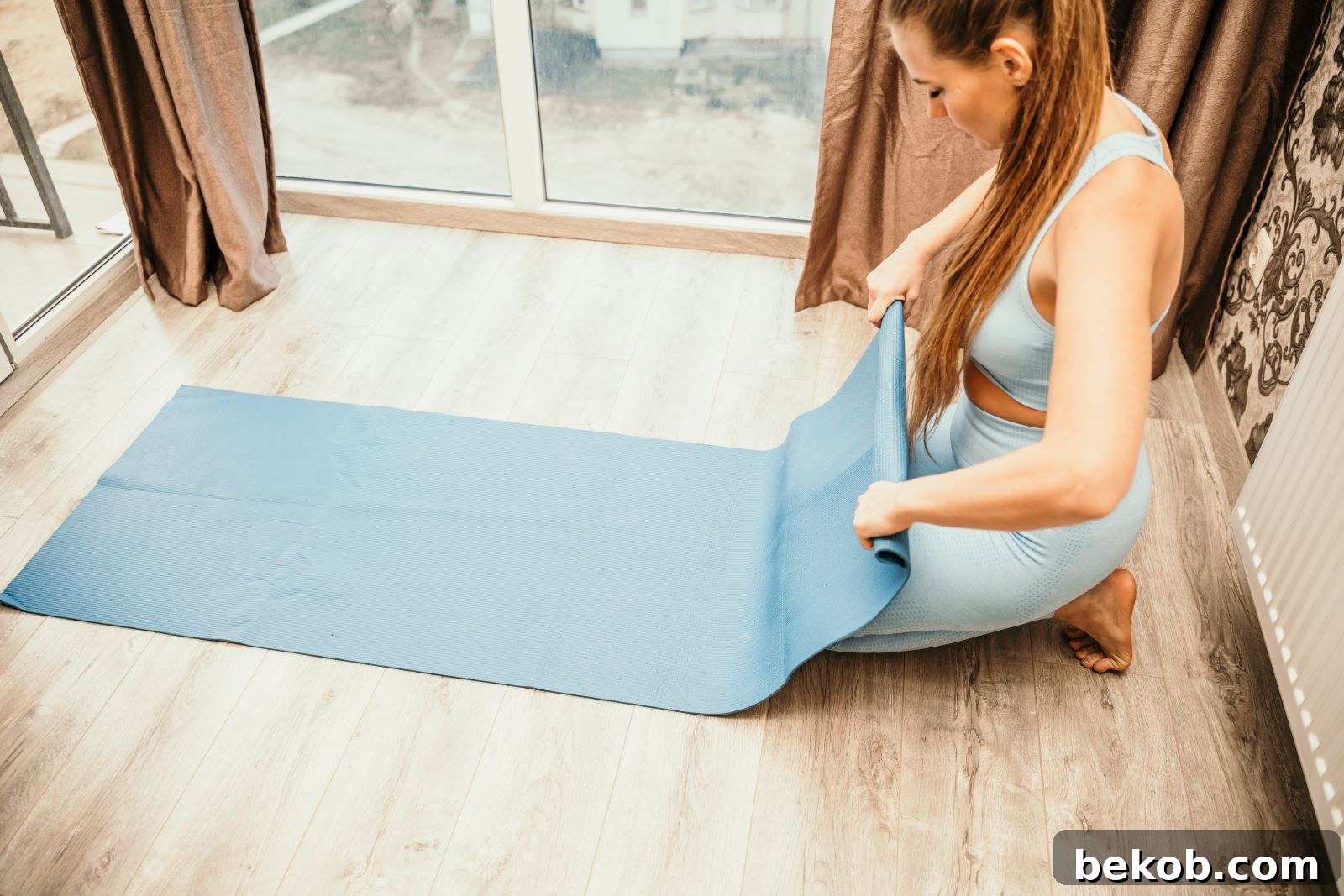
The surface you work out on is more critical than you might imagine, directly impacting your safety, comfort, and the longevity of your home’s existing flooring. An inappropriate surface can lead to slips, falls, joint strain, or even damage to your home. Selecting the right workout surface creates a stable and supportive foundation for every exercise.
The primary goal of a good workout surface is to provide cushioning and grip. For most home gyms, **rubber mats or interlocking foam tiles** are excellent choices. Rubber mats, often found in gyms, are highly durable, shock-absorbent, and offer superior grip. They are ideal for high-impact activities, weightlifting (protecting both your joints and your floor from dropped weights), and intense cardio. Interlocking foam tiles, on the other hand, are softer, lighter, and easier to install and move. They provide good cushioning for bodyweight exercises, yoga, Pilates, and light cardio, making them a versatile and budget-friendly option.
Beyond full flooring solutions, a dedicated **yoga mat** is an absolute must-have. Even if you have specialized gym flooring, a yoga mat provides an extra layer of comfort and hygiene for ground exercises, stretching, and specific yoga or Pilates routines. Its non-slip surface prevents you from sliding, reducing the risk of injury, and offers a clear, personal space for your movements.
When making your selection, consider the type of workouts you’ll be doing most frequently. For heavy lifting, prioritize dense rubber flooring. For general fitness and bodyweight exercises, foam tiles or a high-quality yoga mat will suffice. Investing in the right workout surface not only enhances your performance but also protects your body and your home, allowing you to focus purely on your routine with confidence and comfort.
5. Streamlining Your Sweat Sessions: Organize for Maximum Efficiency
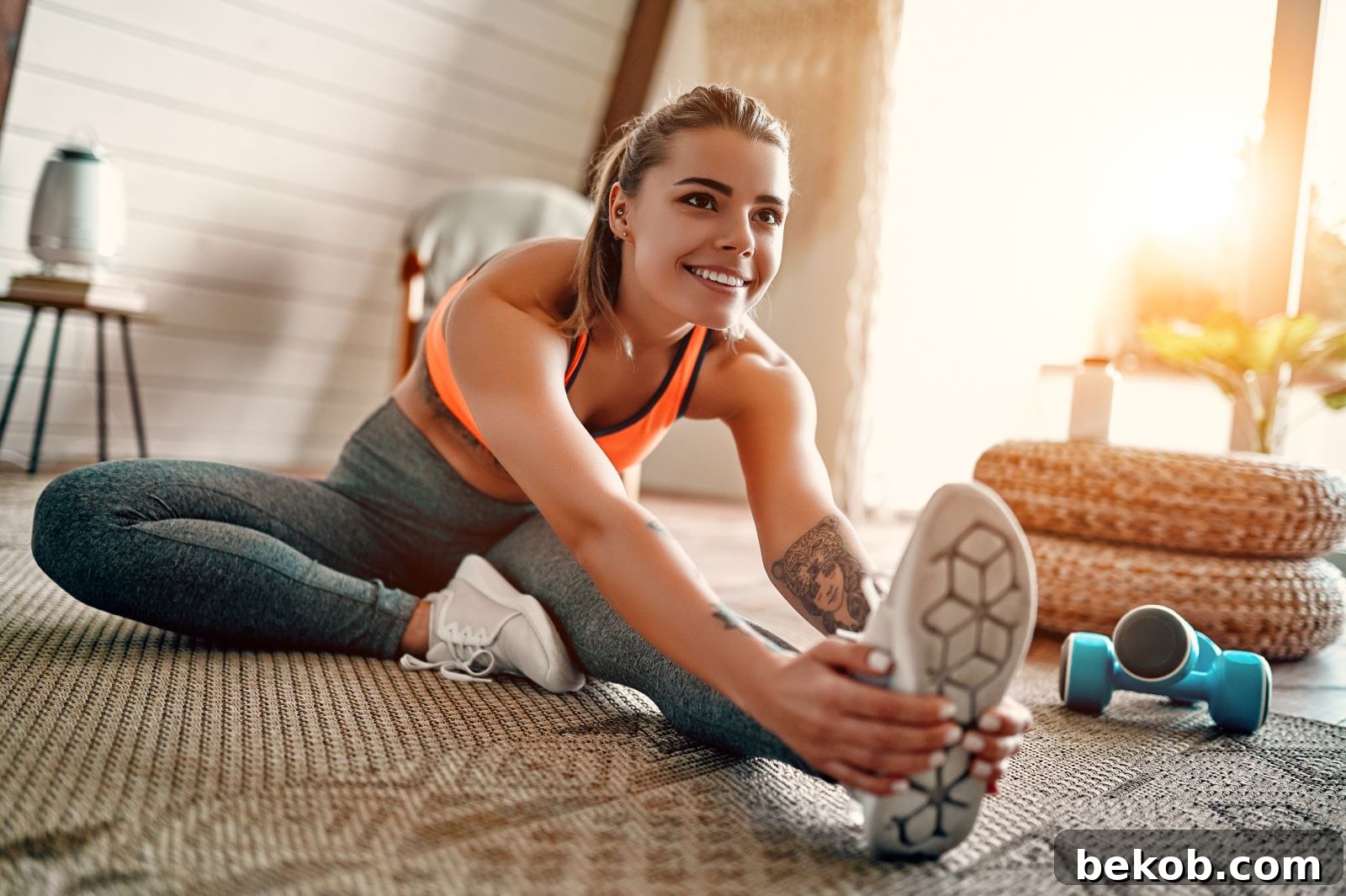
A well-organized home gym isn’t just aesthetically pleasing; it’s a cornerstone of an effective and enjoyable workout routine. Clutter can be a major demotivator and a safety hazard. Organizing for efficiency means creating a seamless flow that allows you to transition effortlessly between exercises, maximizes your space, and keeps your focus solely on your workout.
As you arrange your equipment, think about the natural progression of your typical workout. Place frequently used items within arm’s reach. For example, if you typically start with a warm-up, ensure your yoga mat or jump rope is easily accessible. If you move from weights to resistance bands, keep them close together. This thoughtful layout minimizes wasted time searching for equipment and maintains the intensity of your session.
Smart storage solutions are vital. Vertical storage, such as shelving units or wall-mounted racks, can house dumbbells, kettlebells, and resistance bands without eating up valuable floor space. Hooks are excellent for hanging jump ropes, resistance bands, or even towels. Baskets or bins can corral smaller items like fitness trackers, water bottles, or cleaning wipes. The goal is to have a designated home for everything, making it easy to put away after use and find quickly for the next session.
Ensure that even with all your equipment in place, there’s still ample open floor space for dynamic movements. No one wants to accidentally kick a dumbbell during burpees or trip over a resistance band while lunging. A clear, uncluttered workout area is paramount for safety and allows you to move freely and confidently. By organizing your home gym with efficiency in mind, you create a professional, inspiring, and safe environment that truly supports your fitness ambitions.
6. The Blueprint for Success: Crafting Your Personalized Workout Routine

With your perfect home gym setup complete, the next step is to maximize its potential by establishing a personalized and consistent workout routine. Simply having the equipment isn’t enough; a well-structured plan is your roadmap to achieving sustainable fitness goals. This routine needs to be realistic, enjoyable, and tailored to your individual needs and lifestyle.
Start by clearly defining your fitness goals. Do you aim for weight loss, muscle gain, improved endurance, increased flexibility, or enhanced overall well-being? Your goals will dictate the type and intensity of exercises you incorporate. Once your goals are set, assess your daily schedule. Honesty about your available time is crucial for long-term adherence. It’s better to commit to three realistic 30-minute workouts a week than to aim for five 60-minute sessions that you can never consistently complete.
There’s a wealth of resources available to help you build your routine. Mobile applications are incredibly diverse, offering guided workouts for every fitness level, from high-intensity interval training (HIIT) to yoga and strength circuits. Many provide progress tracking, exercise demonstrations, and even customized plans. Online videos, readily available on platforms like YouTube, offer a seemingly endless library of free, follow-along workouts. For a more personalized approach, consider connecting with a virtual physical trainer. Thanks to technology, expert guidance is more accessible than ever, allowing you to receive tailored workout plans and real-time feedback from the comfort of your home. They can help you craft a routine that optimizes your time, prevents over-exertion, and effectively targets your specific goals, ensuring you get the most out of every sweat session without the need for a traditional gym.
7. Elevating Your Experience: The Power of Multimedia Additions

While often overlooked, integrating a multimedia system into your home workout space can be a game-changer for motivation and enjoyment. This isn’t just about entertainment; it’s about creating an immersive and engaging environment that makes exercise something you look forward to, rather than a chore.
The most obvious benefit is the power of **music**. A carefully curated playlist can significantly impact your energy levels, focus, and endurance. Upbeat tempos can provide a surge of adrenaline for high-intensity workouts, while more mellow tunes might be perfect for stretching or cool-downs. Invest in a decent sound system or quality headphones to fully immerse yourself in your chosen soundtrack. The right music can help you push harder, distraction-free, and transform mundane reps into a rhythmic flow.
Beyond music, a multimedia setup opens the door to a vast world of **guided workouts and entertainment**. You can easily follow along with online fitness videos, from virtual personal trainers demonstrating complex movements to full-length exercise classes catering to various disciplines like HIIT, Zumba, or Pilates. Visual cues from an instructor on screen can be invaluable for maintaining proper form and maximizing effectiveness, especially when you’re working out solo. Furthermore, the option to watch your favorite TV show, catch up on a podcast, or even listen to an audiobook while performing cardio can make the time fly by. This dual-tasking approach transforms your workout into a productive and enjoyable period, offering a rewarding mental escape while you achieve your physical goals. Consider a wall-mounted TV or a strategically placed tablet for optimal viewing, turning your home gym into a truly engaging fitness hub.
8. Fueling Your Journey: Hydration and Nutrition for Peak Performance

Exercising is undoubtedly a cornerstone of reaching your physical goals, but it’s only one piece of the puzzle. To truly maximize your efforts and achieve sustainable results, you must complement your workout routine with thoughtful nutrition and consistent hydration. What you put into your body directly impacts your energy levels, recovery, and overall performance.
**Nutrition** is paramount. Skipping meals, especially during active periods, can lead to low energy, poor performance, and even muscle loss. Focus on well-balanced meals that provide the right macronutrients and micronutrients to fuel your specific goals. **Complex carbohydrates** (like whole grains, fruits, and vegetables) are your body’s primary energy source, essential for sustaining workouts. **Lean proteins** (chicken, fish, legumes, tofu) are crucial for muscle repair and growth. Healthy fats (avocado, nuts, seeds) support hormone production and provide sustained energy. Customize your diet to support your training – whether it’s higher protein for muscle building or more complex carbs for endurance.
If you’re serious about optimizing your diet, consulting a **registered dietitian or nutritionist** is highly recommended. They can help you identify ideal meal plans tailored to your body type, fitness goals, and any dietary restrictions. They can educate you on foods that enhance performance, aid recovery, and those that might hinder your progress, giving you a clear, science-backed approach to fueling your body effectively.
**Hydration** is equally critical. Dehydration can lead to fatigue, decreased performance, and even headaches. Make a conscious effort to switch to water as your primary beverage, significantly reducing your sugar and calorie intake from sweetened drinks. Always keep a water bottle within reach during your workouts and sip regularly to stay cool and prevent dehydration. While other liquid-based supplements like electrolyte drinks or protein shakes might be beneficial for specific goals or intense training, it’s best to discuss their suitability with your nutritionist or trainer. They can guide you on what complements your body type and fitness objectives most effectively, ensuring every drop contributes to your peak performance.
9. Cultivating Your Inner Champion: Adding Motivational Cues

It can be extremely hard to stay motivated and to stick to your goals; that is why you need to have in place means to help keep you on your grind.
- **Embrace Self-Acceptance and Positive Change:** Start by accepting your current fitness level and body image while enthusiastically embracing the journey of positive change. A positive mindset is the foundation of sustainable motivation.
- **Repeat Positive Affirmations Daily:** Integrate positive self-talk into your daily routine. Phrases like “I am strong,” “I am capable,” or “Every workout makes me healthier” can reinforce a resilient mindset and build confidence.
- **Visualize Success:** Keep motivational quotes, inspiring imagery, or even a vision board on display in your gym space. Seeing your goals, aspirations, or empowering messages regularly serves as a powerful reminder of why you started and encourages you to keep pushing forward, especially on challenging days.
- **Harness the Power of Music:** As mentioned previously, use energizing workout music to help you maintain momentum and push through fatigue. Create playlists that align with different workout phases – warm-up, peak intensity, and cool-down – to maximize its motivational impact.
- **Track Your Progress Visually:** Beyond digital apps, consider a physical chart or whiteboard where you can visibly log your achievements. Seeing your consistent efforts and improvements can be incredibly motivating and provide tangible proof of your hard work.
- **Connect with a Fitness Community:** Even with a home gym, connecting with online fitness communities or a virtual workout buddy can provide accountability, support, and shared motivation. Knowing others are on a similar journey can inspire you to stay committed.
10. Celebrating Milestones: Rewarding Your Progress
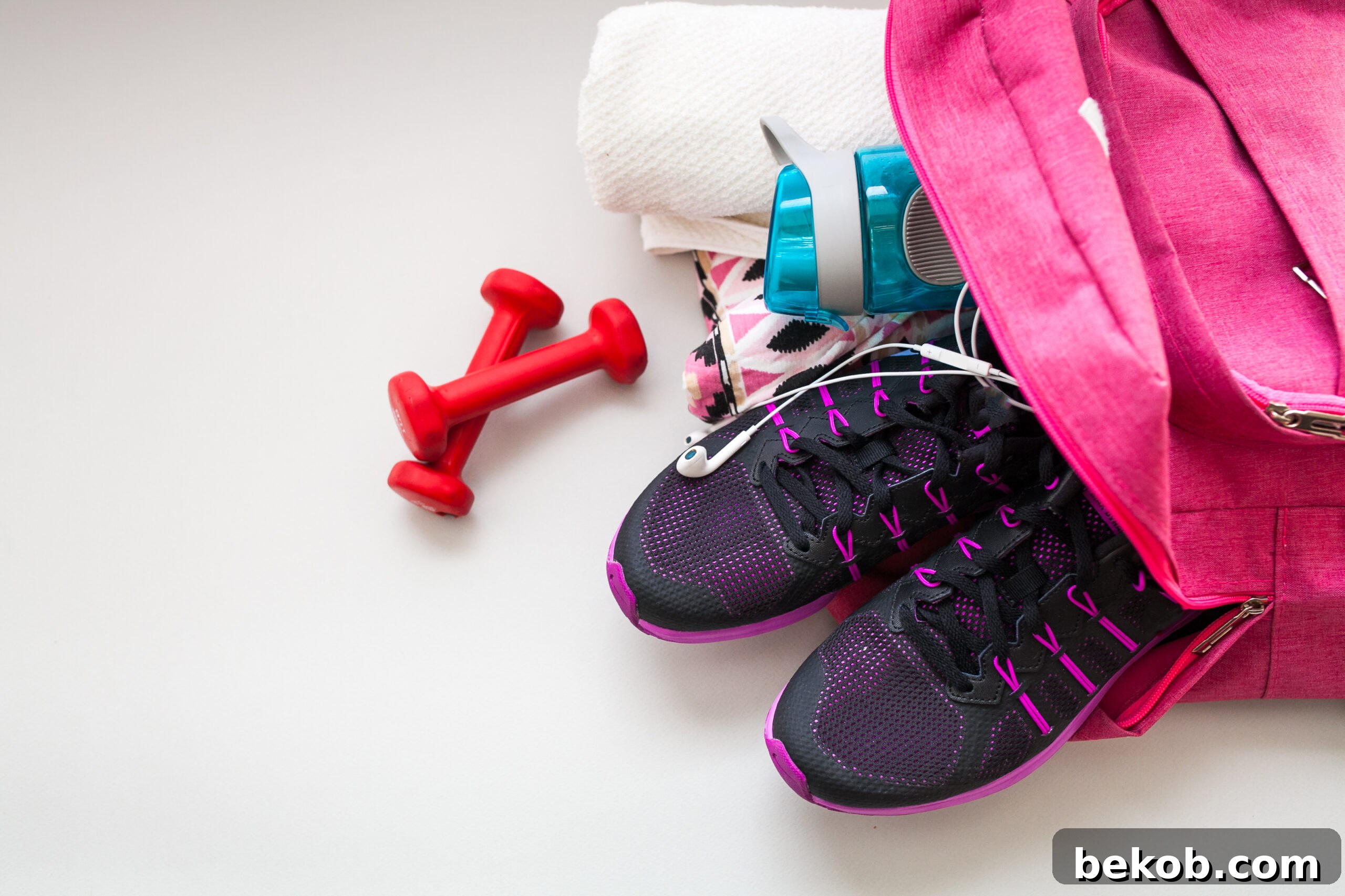
Maintaining long-term motivation is one of the biggest challenges in any fitness journey. A powerful strategy to combat this is by thoughtfully rewarding yourself when you hit significant milestones or achieve specific goals. These rewards serve as positive reinforcement, acknowledging your hard work and making the journey feel even more fulfilling.
The trick, however, is to choose rewards that align with and support your fitness goals, rather than hindering them. For instance, while a delicious treat might feel good in the moment, making it a regular reward could undermine your nutritional progress. Instead, opt for non-food-related rewards that celebrate your commitment to a healthier lifestyle.
Consider treating yourself to new workout gear that you’ve been eyeing – a stylish pair of sneakers, comfortable activewear, or a high-tech fitness gadget. This not only feels like a well-deserved indulgence but also further equips you for future workouts. Other great options include booking a relaxing massage to aid in muscle recovery, investing in a new book or course, or planning a fun, active outing like a hike or a paddleboarding trip. The goal is to create a positive feedback loop where achieving a fitness goal leads to a meaningful reward, reinforcing the positive habits you’re building. By celebrating your progress in smart and supportive ways, you keep the excitement alive and stay motivated for the long haul.
Summary: Your Ultimate Home Fitness Sanctuary Awaits
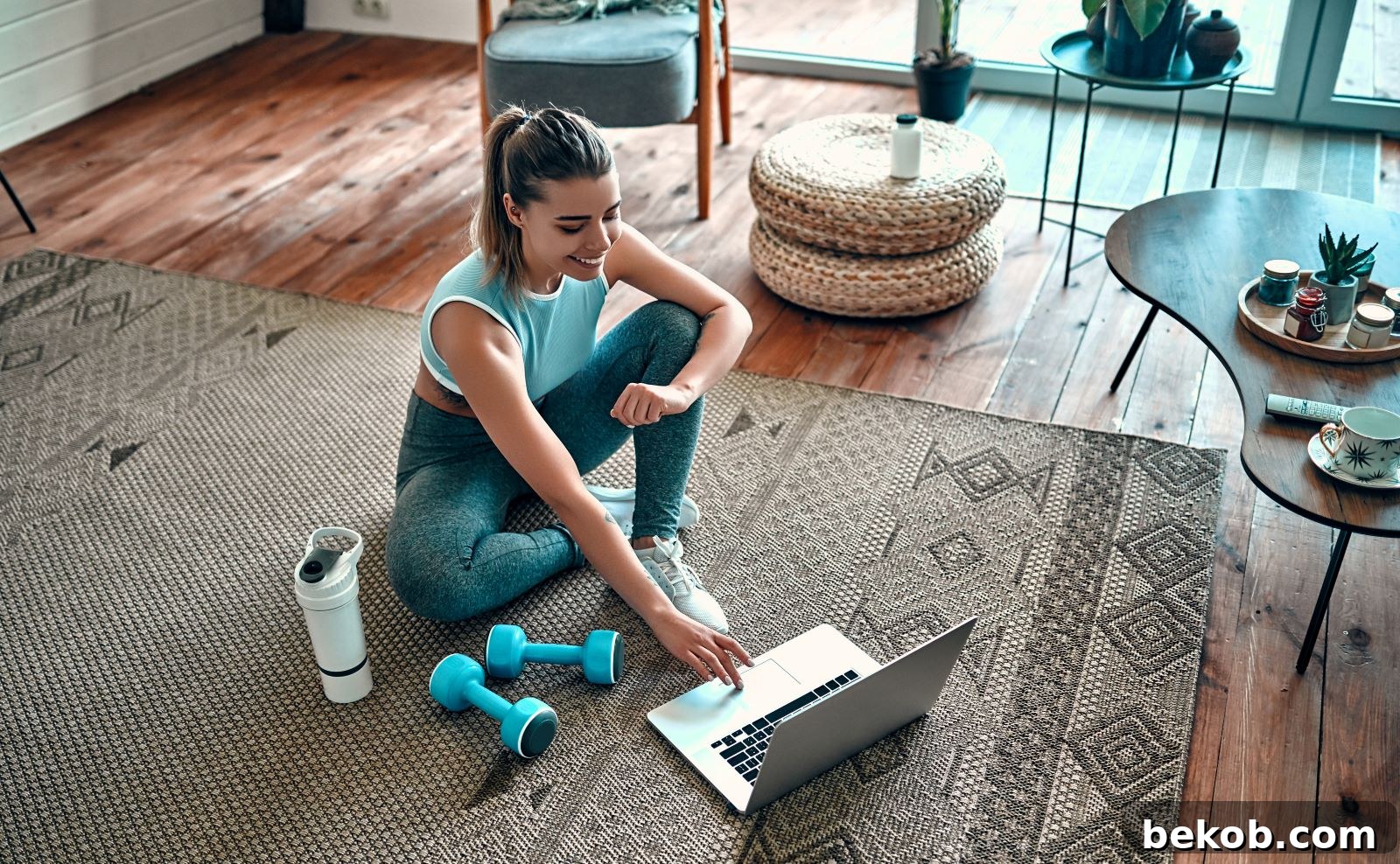
In a world that constantly demands our time and attention, the convenience and comfort of a home fitness sanctuary have become an invaluable asset. This comprehensive guide has detailed everything you need to know to establish an effective, inspiring, and enjoyable workout space right in your own home. From meticulously choosing the perfect area and stocking it with essential equipment to optimizing the environment with proper lighting and ventilation, every step contributes to a seamless fitness experience.
We’ve explored the importance of selecting suitable workout surfaces for safety and comfort, and how smart organization can maximize your efficiency. Beyond the physical setup, we delved into crafting personalized routines, leveraging multimedia for motivation, and fueling your body with proper nutrition and hydration. Finally, we emphasized the psychological tools of motivational cues and smart rewards to ensure long-term adherence and a positive mindset.
Embracing these home fitness hacks means gaining the freedom to pursue your health and fitness goals on your own terms. No more commuting, no more crowded gyms, and no more schedule conflicts. Just you, in your personalized space, moving at your own pace, achieving milestones, and fostering a healthier, happier lifestyle. Your ultimate fitness journey begins at home – make it count!
Related Articles You Might Enjoy:
How to Build Your Own American Ninja Warrior Training Course
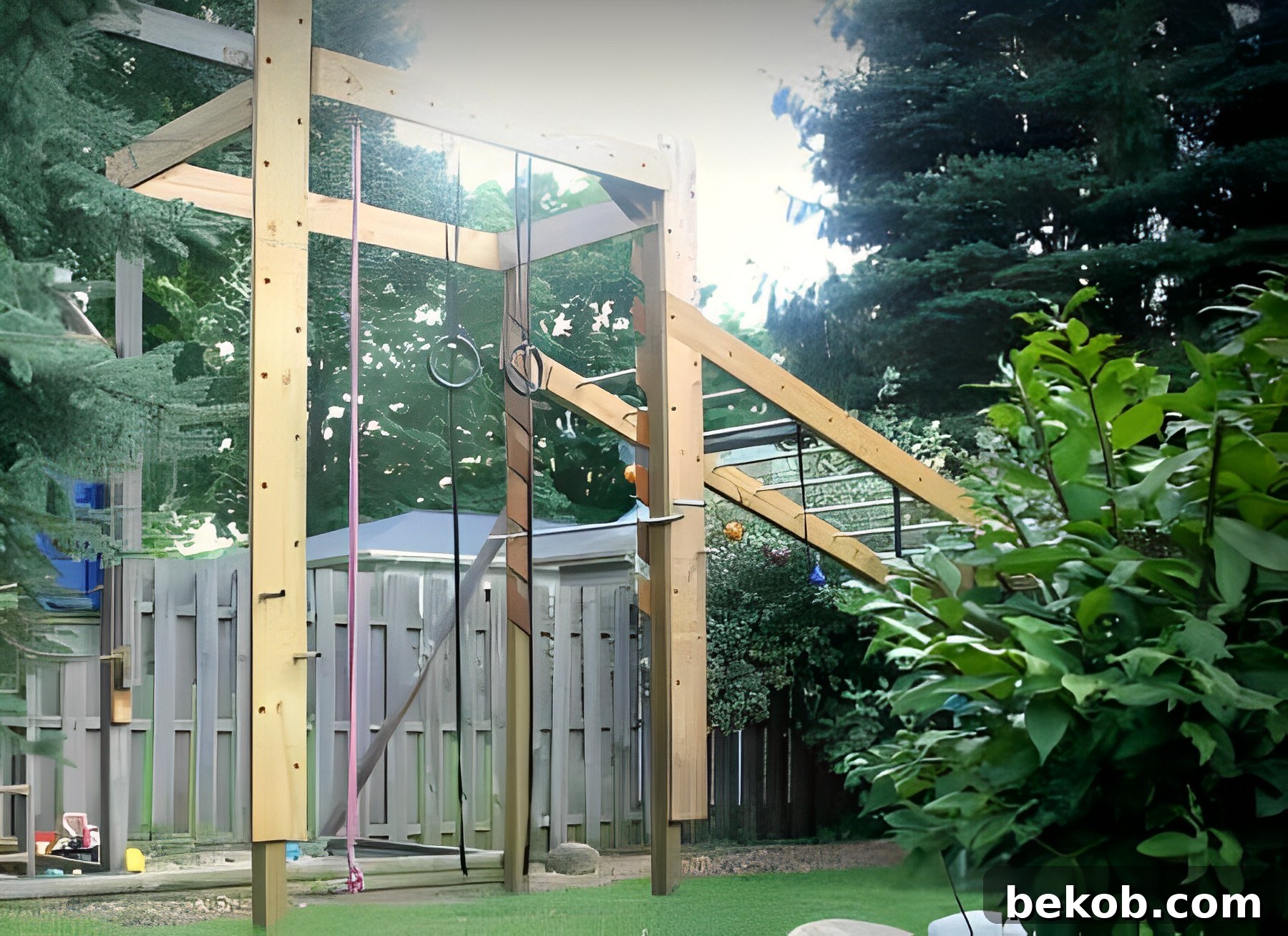
Do you like to have a good time and stay active as a family? Well, ask no more! Because in this blog, we will show you how to build your own American Ninja Warrior Training Course.
Revolutionize Your Home with These 12 Space Planning Tips!

Whether you’re designing a new room, renovating an existing space, or simply looking to optimize your living or working area, having a well-thought-out space plan can make all the difference. Here are twelve of the best tips to help you create the best space plans anyone has ever come across.
Plywood Wonders: Elevate Your Space Today with these 17 Plywood Projects!

Plywood is a versatile material that can be used to create a wide variety of projects. From simple furniture to complex sculptures, plywood can be used to bring your imagination to life, and your home pops with stylish furniture and accents. Checkout these 17 plywood projects that will elevate your space today!
Quick Home Transformation: 10 Renovations Under 1 Hour!

We’re here to show you 10 quick home renovations that you can tackle in under an hour. That’s right—transform your space without sacrificing your entire day. Let’s get started!