
Welcome to the serene and vibrant world of indoor gardening, where every corner of your home can blossom into a personal green oasis. Whether you’re a complete novice looking to embark on your first plant parenting journey or simply seeking to refresh your living space with enduring greenery, you’ve landed in the perfect spot. Indoor plants do more than just add aesthetic appeal; they purify the air, boost your mood, and create a tranquil atmosphere, transforming ordinary rooms into extraordinary sanctuaries.
In this comprehensive guide, we’ll navigate the wonderful realm of houseplants, focusing on the most resilient and low-maintenance options. Our goal is to equip you with the knowledge to cultivate a thriving indoor jungle with minimal effort, making plant care a joy, not a chore. Get ready to discover your next green companion!
Transform Your Home: The Ultimate Guide to Low-Maintenance Houseplants for Beginners
Embrace Effortless Greenery: Top Low-Maintenance Houseplants for Beginners
Embarking on your indoor gardening adventure doesn’t have to be daunting. The key to success, especially for beginners, is choosing plants that are forgiving and resilient. Here’s a curated list of our top picks for easy-care houseplants that promise beauty without demanding constant attention.
Boston Fern (Nephrolepis exaltata)
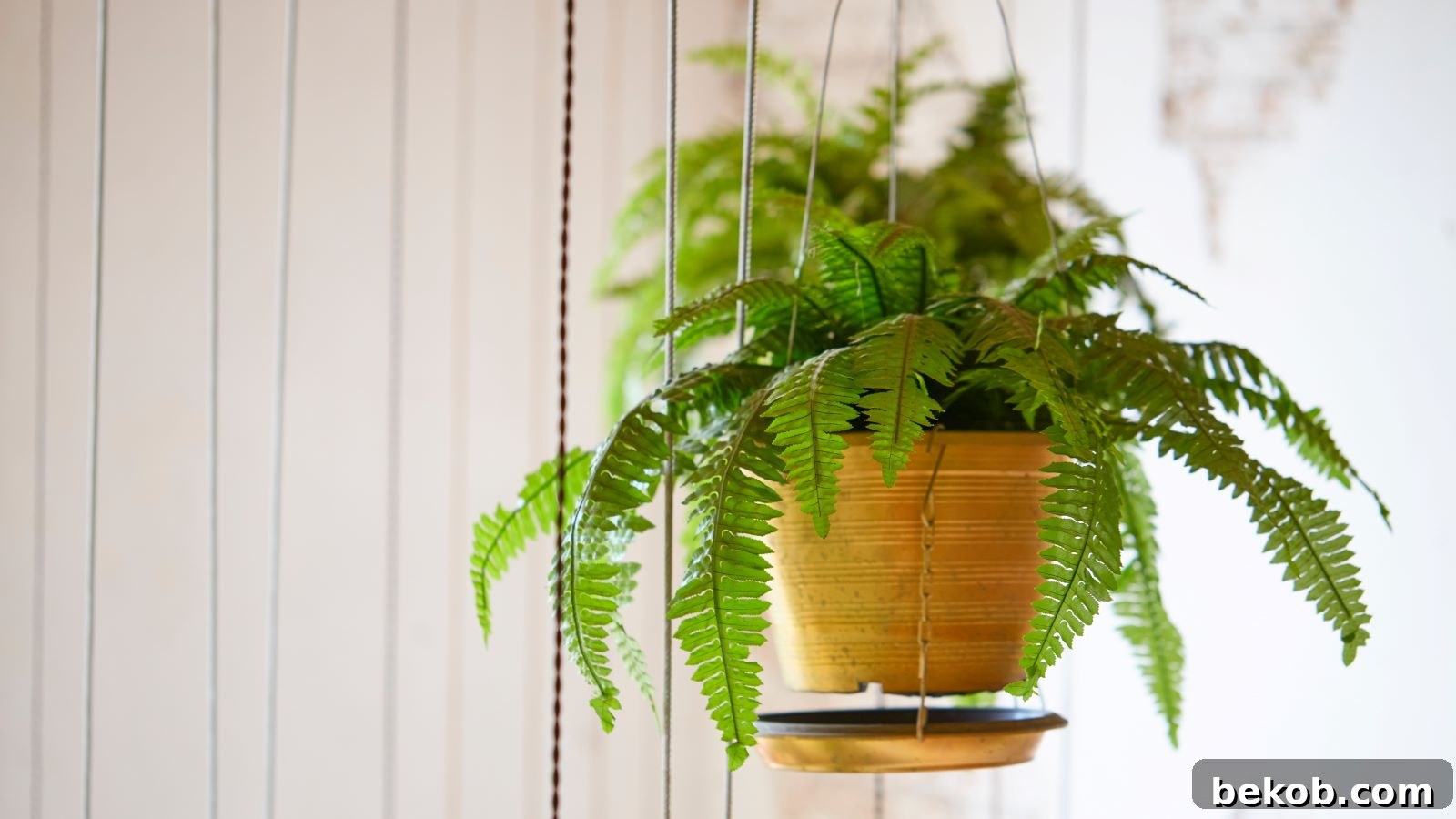
The classic Boston Fern is an undisputed champion among easy indoor plants, instantly recognizable for its lush, feathery fronds that cascade elegantly. This popular variant thrives with minimal fuss, making it an excellent choice for adding a touch of vibrant green to any room. It excels in humid environments and bright, indirect light, though it can tolerate lower light conditions. Keeping its soil consistently moist, but not waterlogged, is key. Beyond its beauty, the Boston Fern is known for its air-purifying qualities, effectively removing common indoor pollutants. It’s an ideal choice for bathrooms or kitchens where humidity is naturally higher, or even a living room where it can enjoy a spot away from direct sun. Plus, it’s non-toxic, offering peace of mind for households with pets or small children.
Aloe Vera (Aloe barbadensis miller)
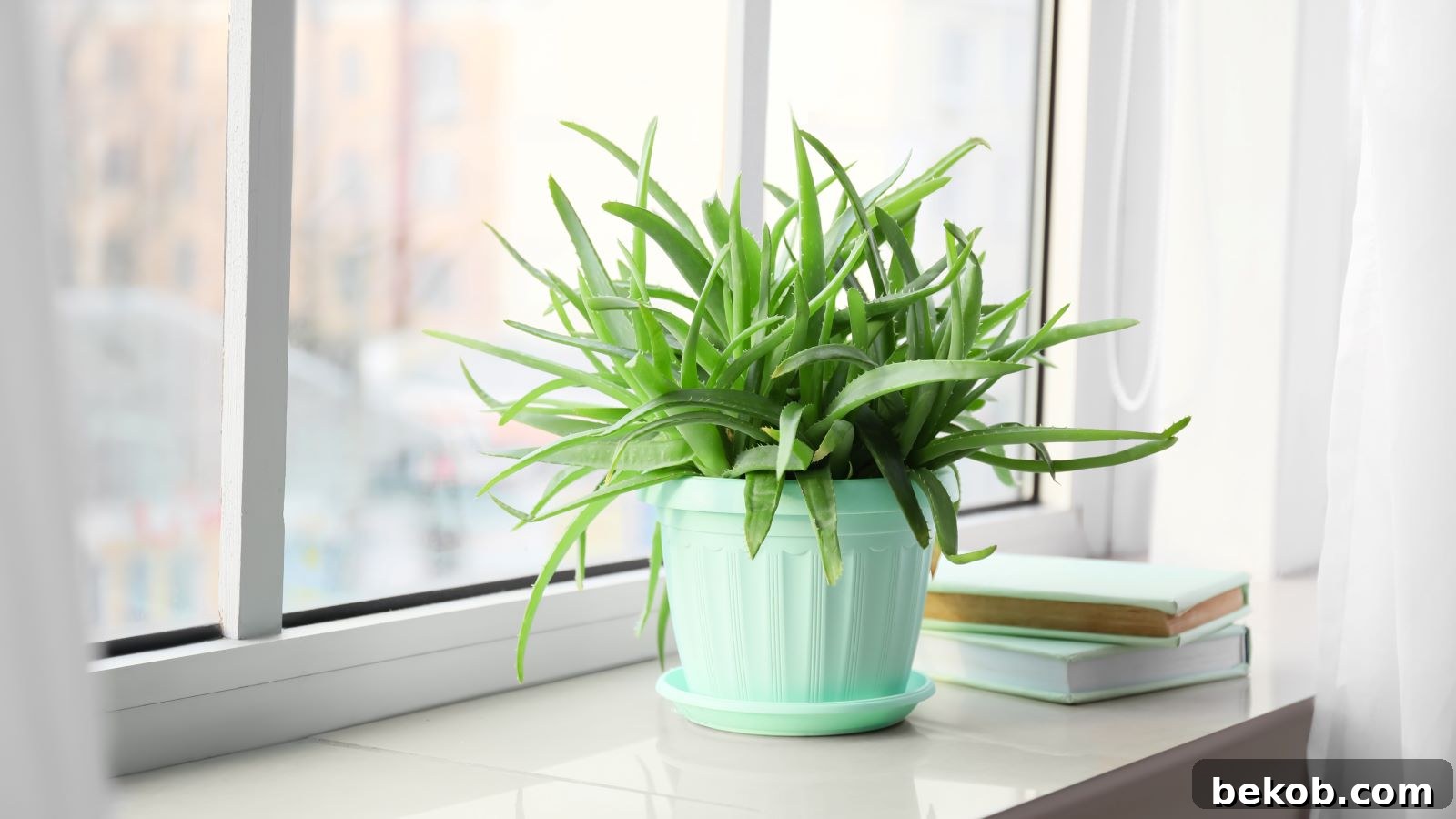
Why choose a plant solely for its looks when you can also enjoy incredible health benefits? Meet Aloe Vera, a powerhouse among indoor plants, renowned for its succulent leaves filled with a soothing, healing gel. This ancient plant is a natural first-aid kit, excellent for treating minor burns, sunburns, and skin irritations. Simply snip a leaf, slice it lengthwise, and apply the clear gel directly to the affected area. Store the remaining half in a plastic bag in the fridge for later use. Aloe Vera thrives on neglect, preferring bright, indirect light and infrequent watering, making it a perfect beginner-friendly plant. However, it’s important to note that if consumed, Aloe Vera can be toxic to pets and children, so place it out of their reach.
Dracaena (Dracaena fragrans, Dracaena marginata, etc.)
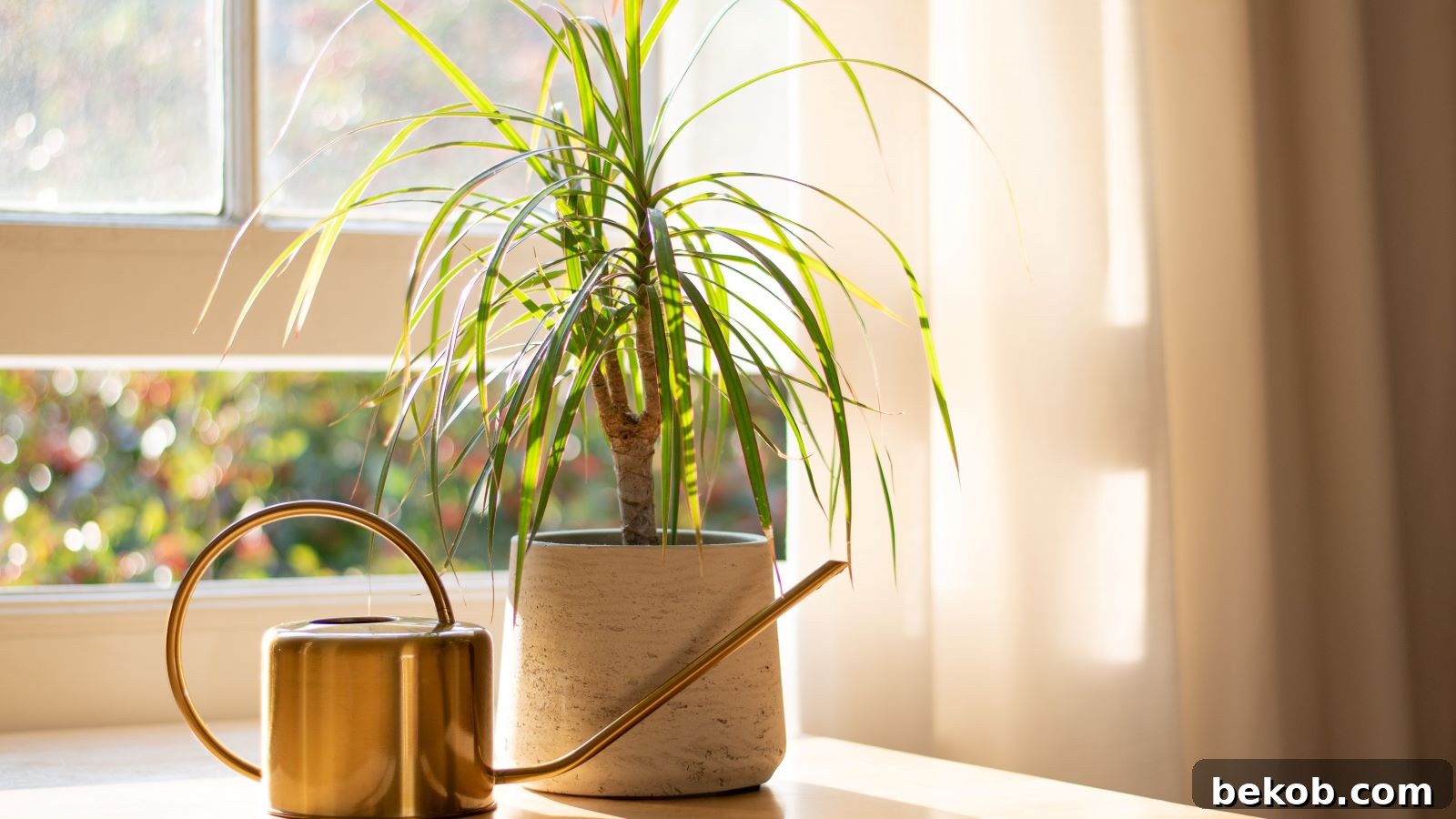
You truly can’t go wrong with a Dracaena. Available in various forms like the corn plant (Dracaena fragrans) or the dragon tree (Dracaena marginata), this versatile houseplant is a fantastic addition to any indoor space. Its striking foliage and upright growth make it an excellent choice for tabletops, empty corners, or as a statement floor plant. Dracaenas are incredibly resilient and thrive on a philosophy of “less is more” when it comes to watering, needing a drink only when the topsoil feels dry, typically once a week or every two weeks. They prefer bright, indirect light but can tolerate lower light conditions, adapting well to different environments. This adaptability makes them ideal easy-care plants for any home. A crucial word of warning: Dracaena plants are toxic to dogs and cats if ingested, so ensure they are placed in a pet-safe location.
Begonia (Begonia spp.)
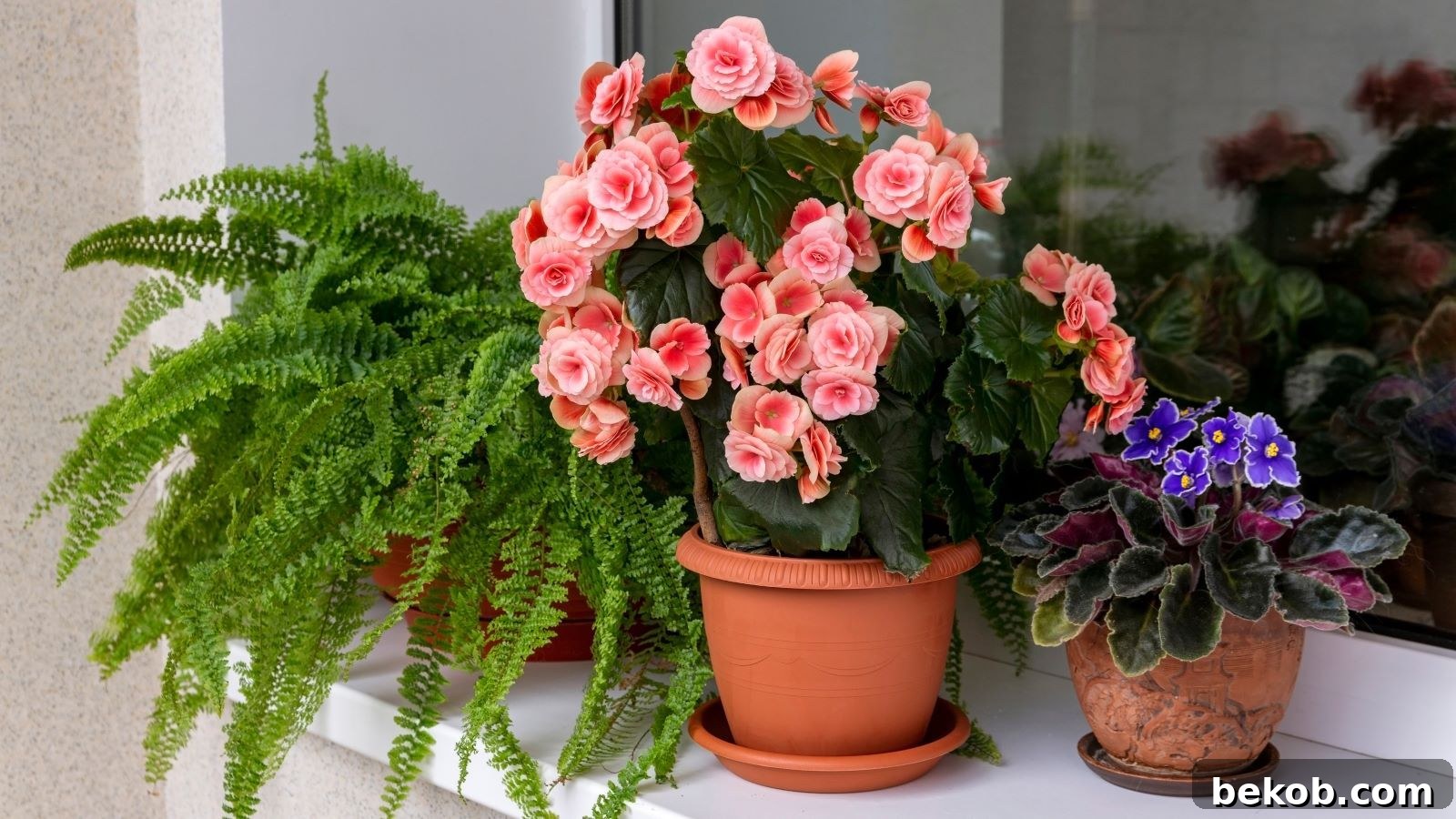
Begonias are truly a gem among houseplants, capable of imparting breathtaking beauty and vibrant color to any room. With their lush foliage, which often features intricate patterns and striking hues, and their cheerful blooms, they instantly elevate the atmosphere. While generally considered low-maintenance, Begonias can be a bit particular about their environment, thriving best in consistently moist (but not soggy) soil and high humidity. However, don’t despair if your home isn’t naturally humid; they are quite adaptable and will still flourish happily with consistent care. Place them in bright, indirect light for the best flowering. A key point to remember is that while most parts of the plant are mildly irritating if ingested, the most toxic parts are typically found underground in the rhizomes or tubers, making them a concern for curious pets.
Peace Lily (Spathiphyllum)
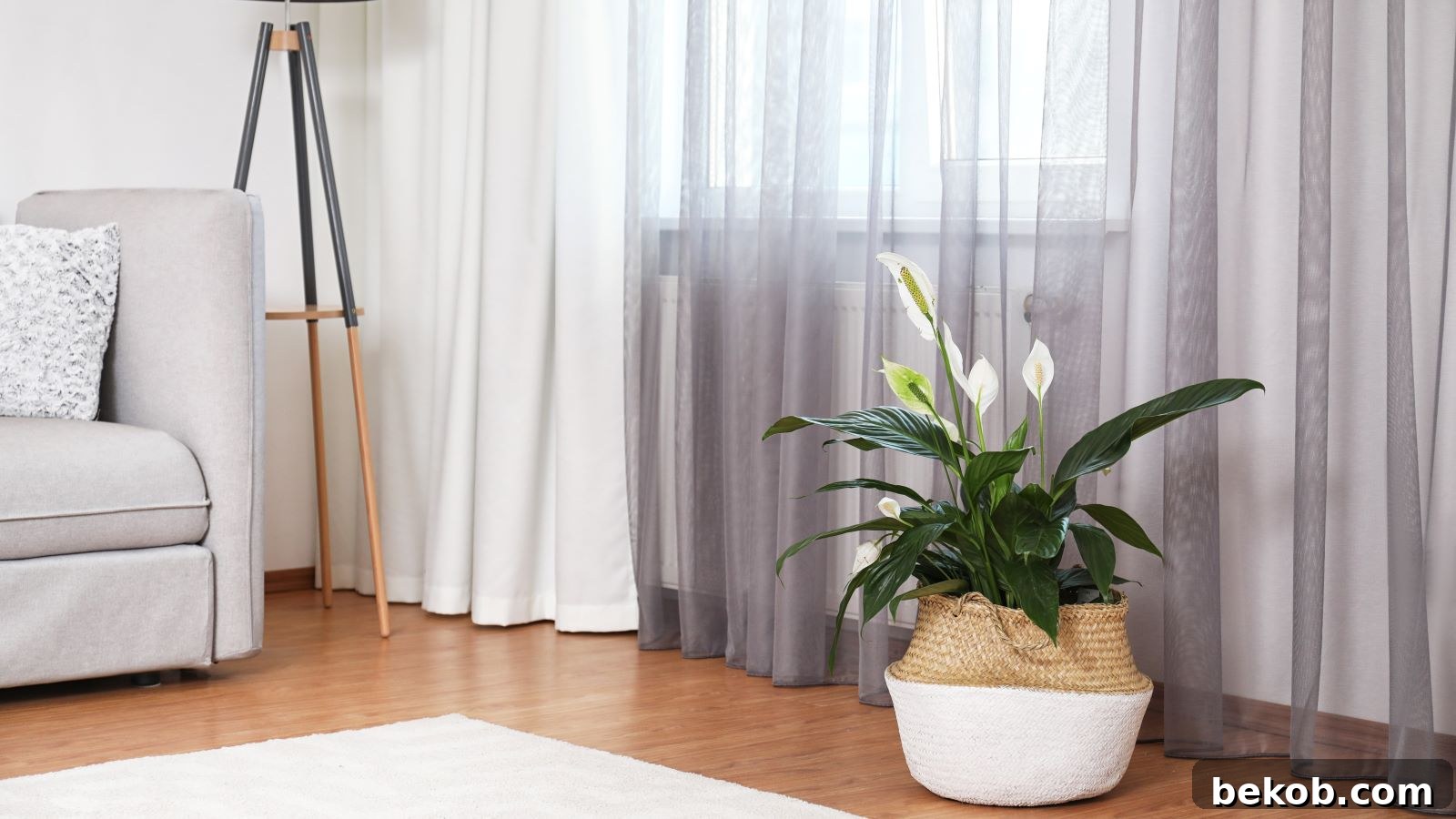
Are you searching for a fuss-free flowering plant that can still deliver an impressive visual display? The elegant Peace Lily is undoubtedly worth considering. While its name might suggest a simple flower, its unique white “flowers” (actually modified leaves called spathes) and glossy dark green foliage offer sophisticated beauty and surprising resilience. Peace Lilies are remarkably communicative; they’ll dramatically droop when thirsty, clearly indicating when it’s time for a drink, then quickly perk up after watering. They prefer low to medium indirect light, making them perfect for shadier spots in your home. Beyond their striking appearance, Peace Lilies are celebrated for their exceptional air-purifying capabilities, removing harmful toxins from your indoor environment. However, like many beautiful plants, Peace Lilies can be toxic to pets if ingested, causing oral irritation and digestive upset.
Pothos (Epipremnum aureum)
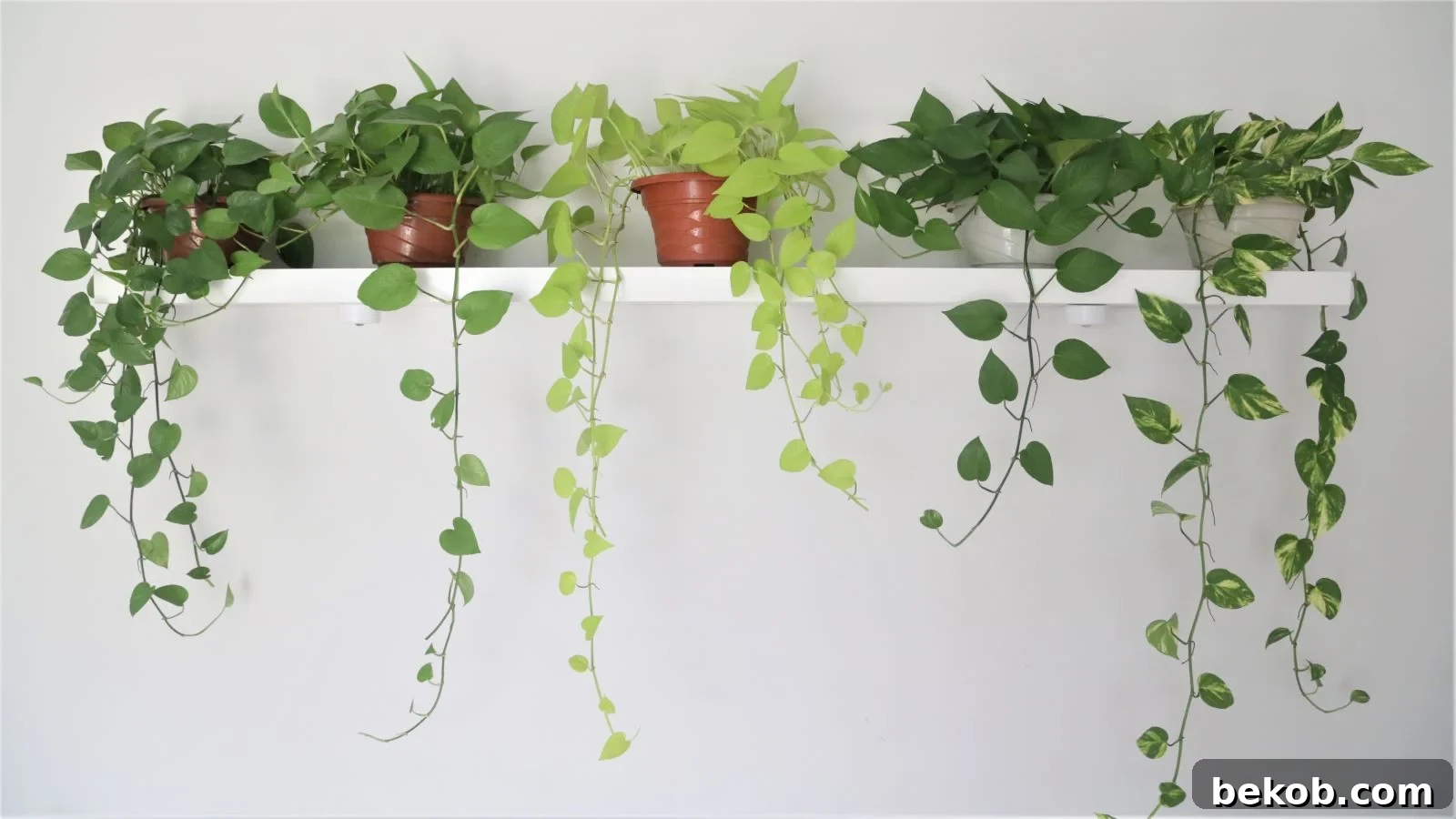
When the quest is for an truly easy-care plant, you simply cannot overlook the Pothos. Often hailed as the “devil’s ivy” due to its near-indestructibility and ability to thrive in challenging conditions, Pothos is a real ace in the hole for any beginner. This hardy vine won’t bat an eye at low light or infrequent watering, making it incredibly forgiving. Its trailing habit makes it perfect for hanging baskets, high shelves, or allowing it to cascade beautifully down furniture. Pothos varieties, with their variegated green and gold leaves, also contribute to air purification, effectively filtering common household toxins. While remarkably resilient, it’s important to be aware that Pothos can be toxic to pets, causing oral irritation if consumed. Always position it where curious paws and mouths can’t reach its tempting leaves.
Succulents (Various species)
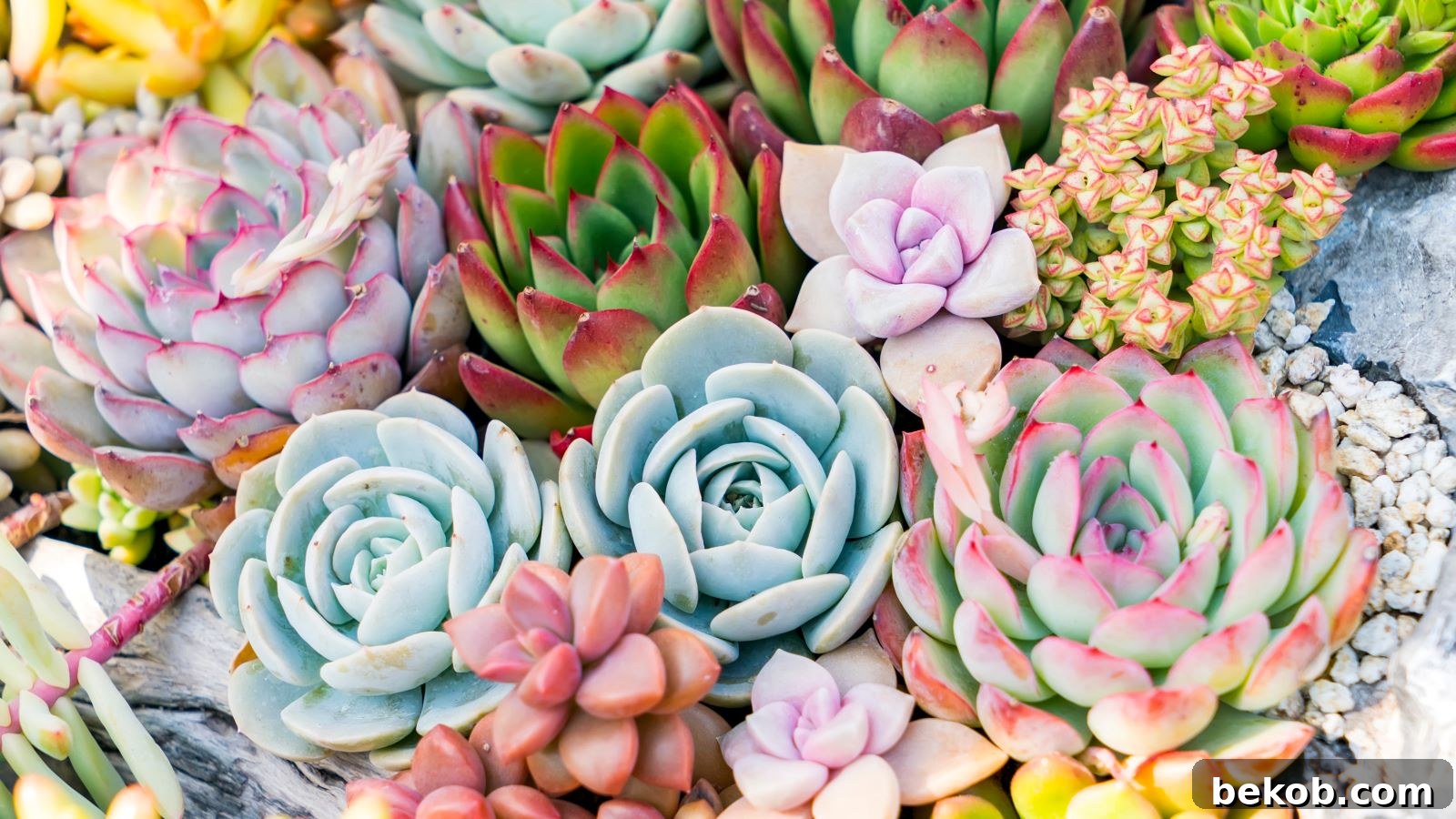
If you’ve made it this far down the list, chances are you’re seeking a plant that is not only “succulent” (pun absolutely intended!) but also thrives on a healthy dose of neglect. Look no further than the vast and diverse world of Succulents. These fascinating plants are your absolute best bet for an indoor companion you can truly “forget” about. With their thick, fleshy leaves designed to store water, succulents are masters of drought tolerance. They require minimal watering – often just once every few weeks – and revel in bright, direct sunlight, making them perfect for sunny windowsills. From Echeverias to Haworthias, their unique shapes and textures add modern charm to any space. Most common succulent varieties are non-toxic, though some, like certain cacti, may have spines that can cause physical irritation. Always check specific species for toxicity if you have pets or small children.
Jade Plant (Crassula ovata)
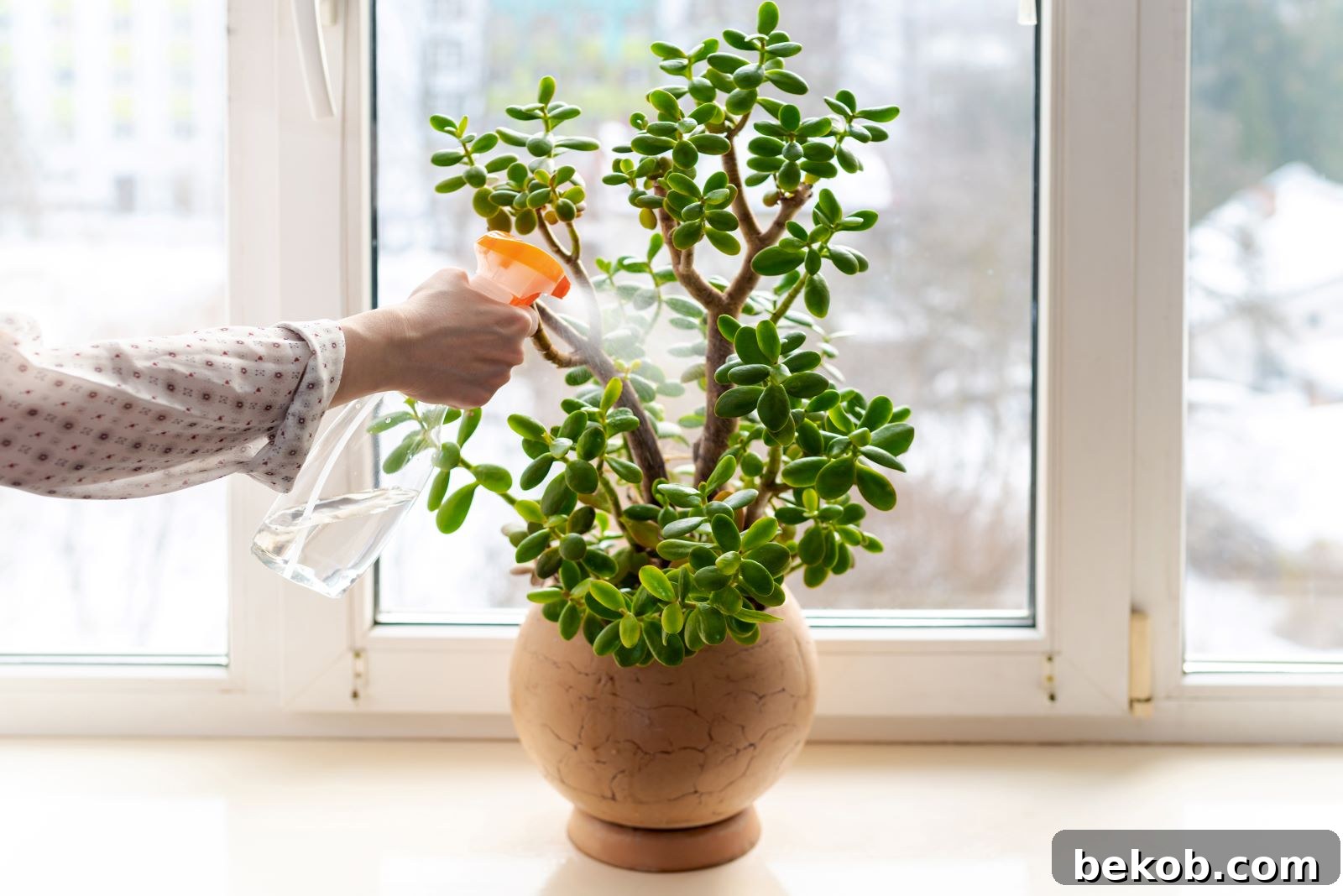
Are you, by any chance, a master of benign neglect? Then the Jade Plant is your spirit plant. This incredibly resilient succulent not only tolerates forgetfulness but actually thrives on it! There is practically nothing you can do to hurt this plant’s feelings with under-watering. With its thick, woody stems and fleshy, oval-shaped leaves, the Jade Plant is often associated with good luck and prosperity, making it a popular choice for homes and offices. It prefers bright, direct sunlight and infrequent watering, allowing its soil to dry out completely between waterings. Its robust nature and attractive appearance make it a superb beginner-friendly houseplant. However, it’s important to know that the Jade Plant is mildly toxic to cats, so position it carefully if you have feline friends.
Bromeliad (Bromeliaceae family)
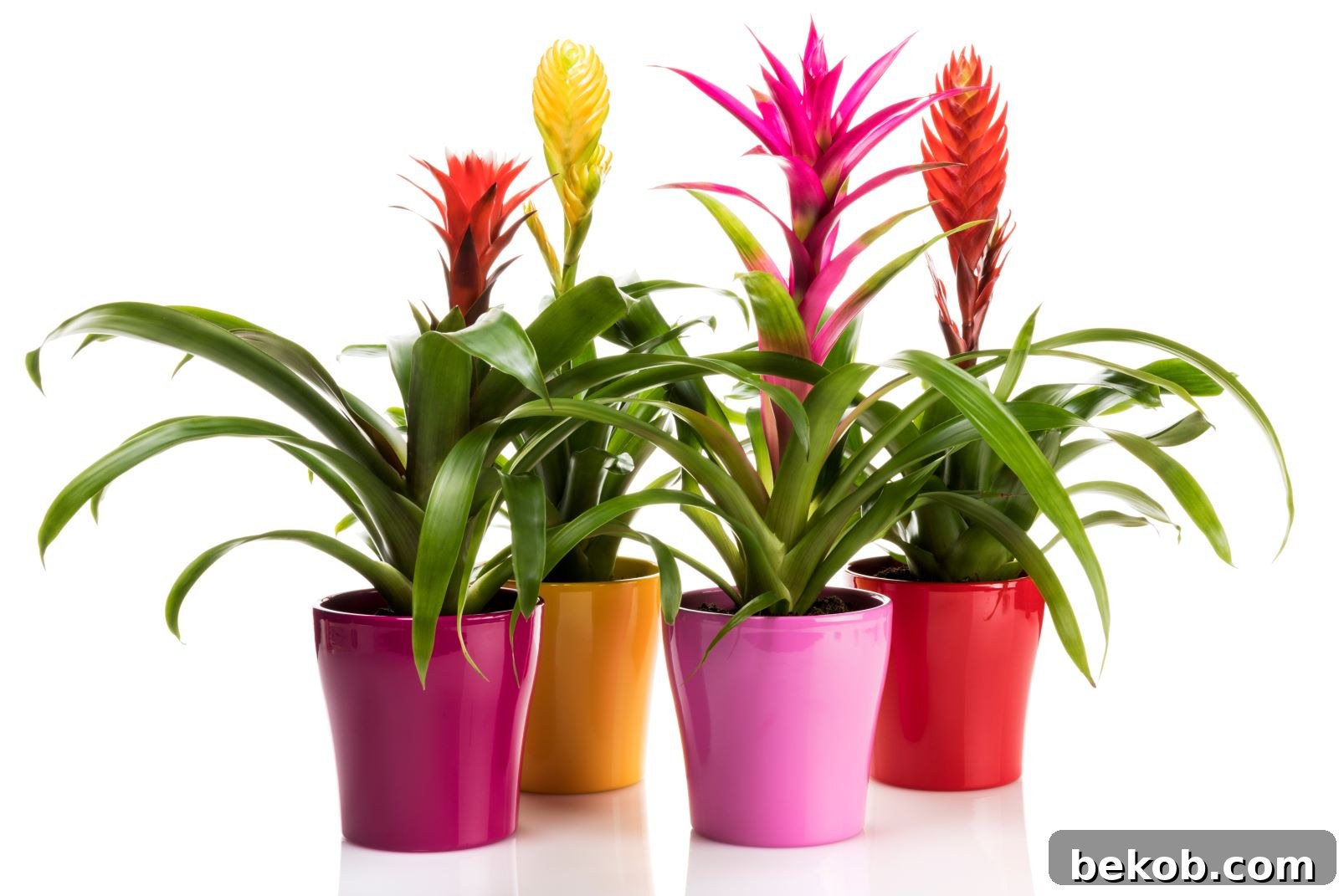
Are you drawn to plants that offer a burst of vibrant color, almost like flowers, but without the delicate fuss? Then you will absolutely fall in love with the Bromeliad. These exotic beauties, known for their striking, long-lasting floral bracts and unique rosette foliage, bring a tropical flair to any room. Bromeliads are surprisingly low-maintenance, requiring only bright, indirect light and a unique watering technique: keep the central cup (the “tank”) filled with water, flushing it every few weeks to prevent stagnation. They are also remarkably adaptable and can even be grown without soil, mounted on wood or bark, which is a fantastic bonus for pet lovers with “diggers” in the house! The Bromeliad plant itself is non-toxic, making it a safe and stunning choice for households with pets and children.
ZZ Plant (Zamioculcas zamiifolia)
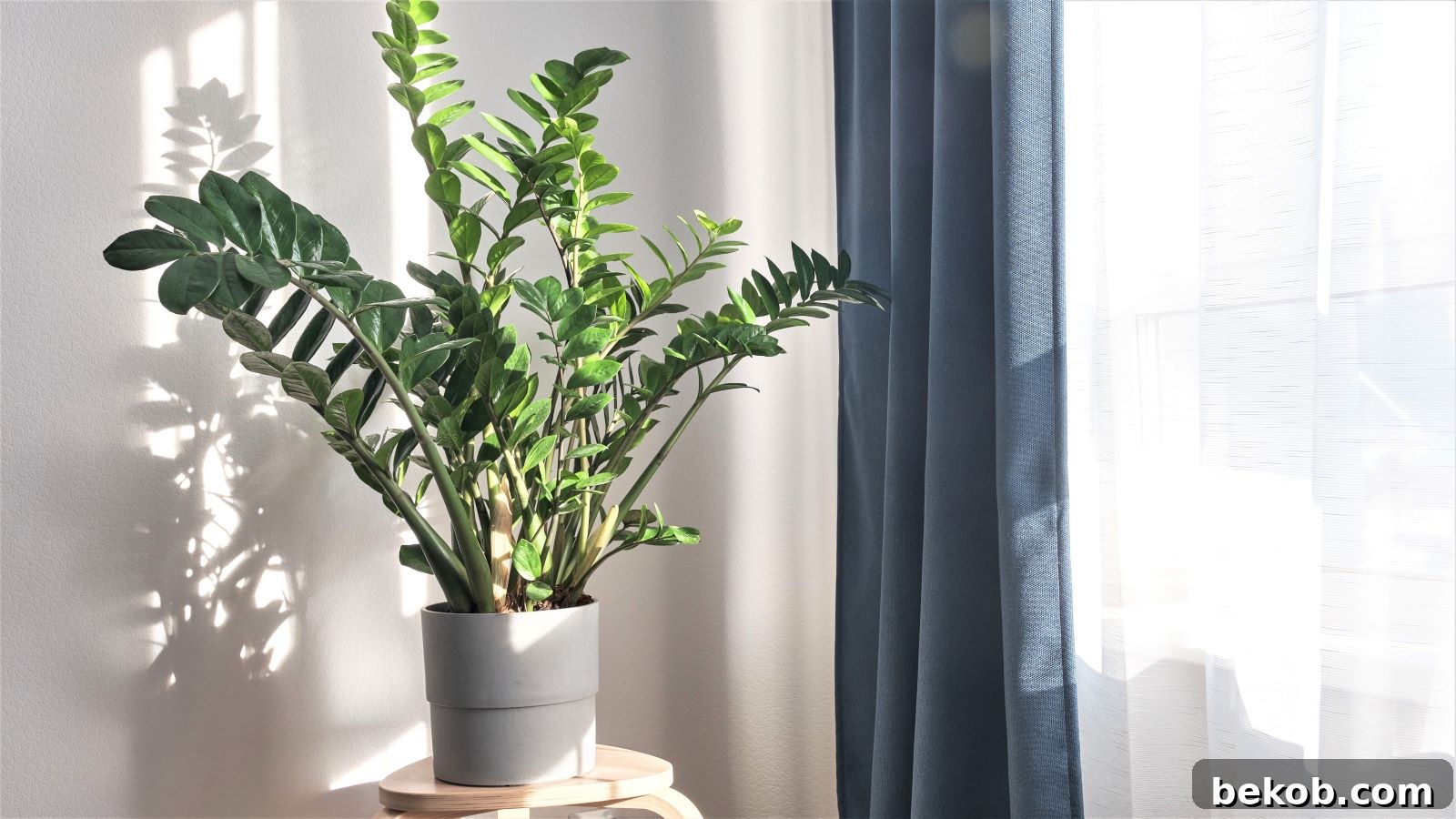
Have you perhaps, despite your best intentions, managed to kill every other plant you’ve had in your care? Then prepare to meet your match: the ZZ Plant. This remarkable plant is so resilient, it’s practically a challenge to kill it! With its glossy, dark green leaves and upright growth habit, the ZZ Plant adds a sophisticated touch to any interior. It excels in low-light conditions and can tolerate extensive periods of drought, storing water in its thick rhizomes. This makes it an absolute dream for busy individuals, frequent travelers, or those who simply forget to water. Give it an occasional drink and it will reward you with steady growth. However, it is crucial to be aware that all parts of the ZZ Plant are toxic to both humans and pets if consumed, so handle with care and keep it out of reach.
Philodendron (Philodendron spp.)
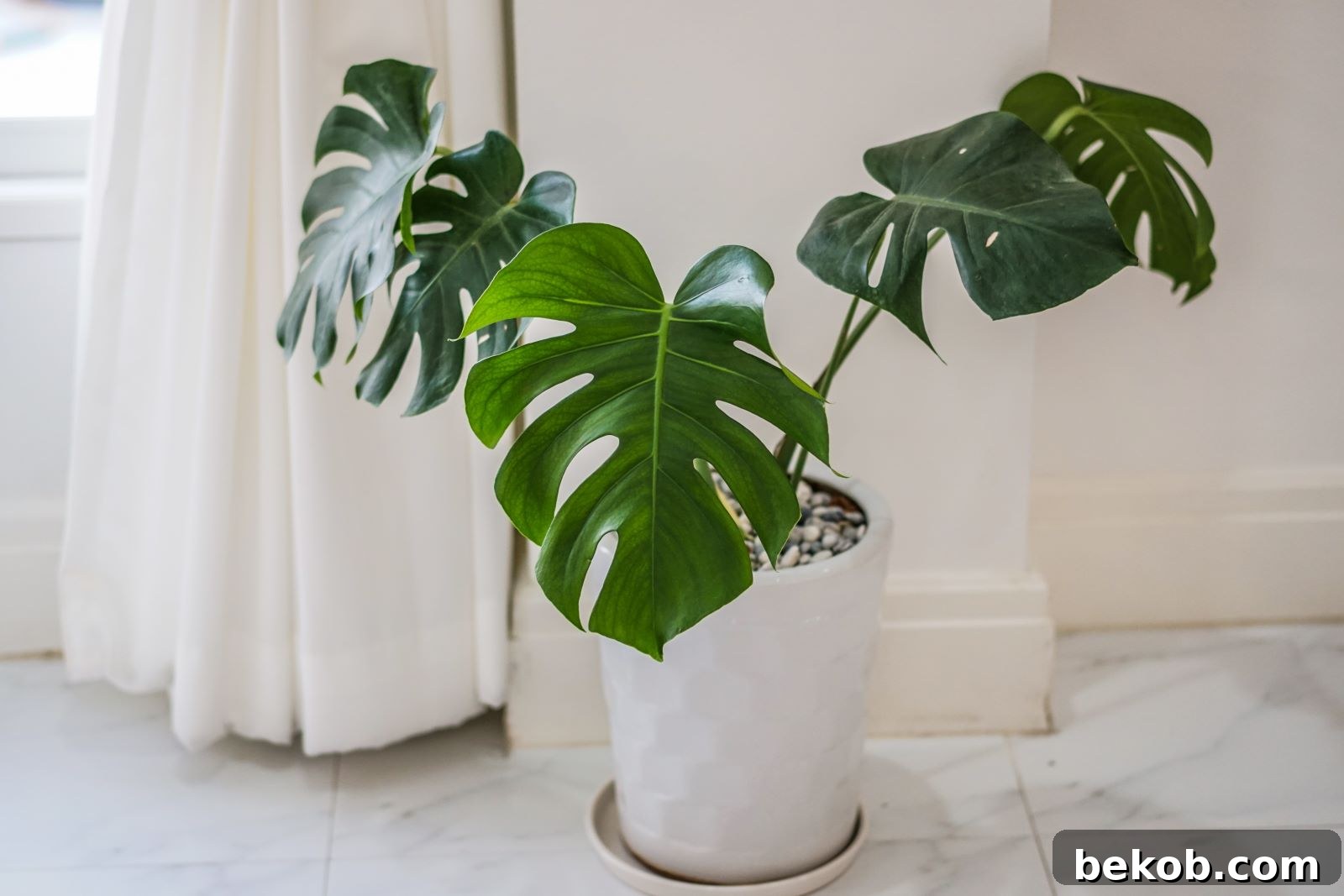
The Philodendron is a quintessential household plant, celebrated for its fast-growing, heart-shaped foliage and incredible adaptability. This resilient beauty effortlessly conforms to whatever environment you place it in, making it a favorite for both beginners and seasoned plant enthusiasts. It requires very little direct sunlight to flourish, thriving in medium to low indirect light, which means it can brighten up even the shadier spots in your home. Philodendrons are often grown as trailing plants in hanging baskets or allowed to climb with support, adding a lush, jungle-like feel. They prefer consistently moist soil, but can tolerate some drying out between waterings. Be aware, however, that all parts of the Philodendron plant are toxic to both humans and pets if consumed, so ensure it’s kept away from curious mouths.
Kalanchoe (Kalanchoe blossfeldiana)
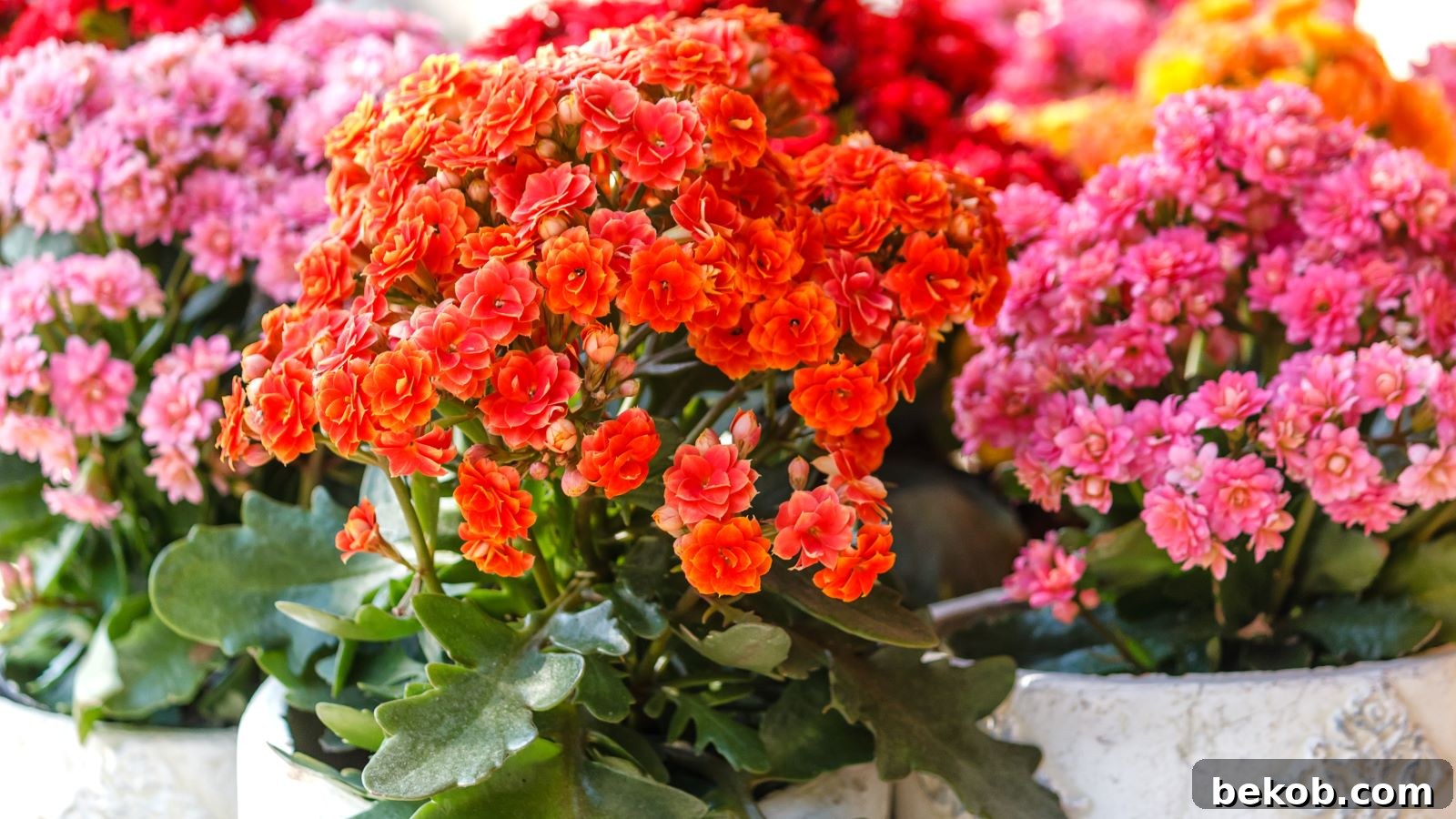
While Kalanchoe is indeed a tropical succulent flowering plant, it stands out as one of the best low-maintenance houseplants you can choose, especially if you desire vibrant blooms. Its thick, waxy leaves and clusters of cheerful flowers, which come in a variety of colors, add a delightful splash to any room. This plant truly embodies the “set it and forget it” mantra for watering; you only need to give it an occasional drink, allowing the soil to dry out completely between waterings. Kalanchoe thrives in bright, indirect light, mimicking its natural sunny habitats. Its stunning floral display can last for weeks, offering continuous beauty with minimal effort. However, it’s important to exercise caution as Kalanchoe is toxic to dogs and cats, and poisoning has been known to occur if ingested.
Cast Iron Plant (Aspidistra elatior)
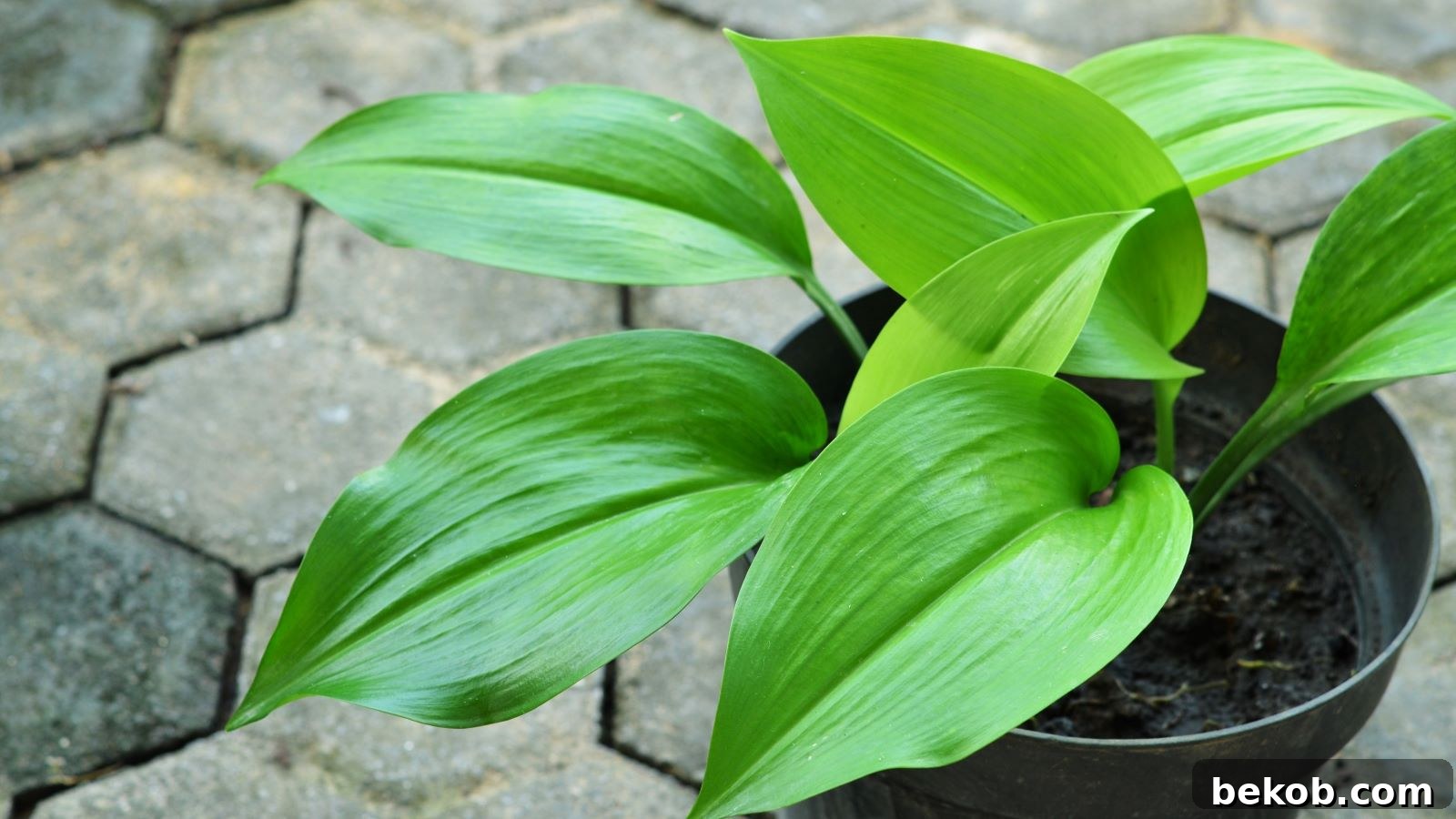
This nearly indestructible plant is aptly named for its incredible toughness: the Cast Iron Plant. True to its moniker, Aspidistra elatior will not only survive but thrive under virtually any condition, making it the ultimate forgiving plant. It’s perfectly suited for those who consider themselves “terrible plant parents” or anyone seeking greenery for less-than-ideal spots. This plant can tolerate low light, irregular watering, and even fluctuating temperatures, maintaining its deep green, broad leaves with remarkable resilience. It’s perfect for dimly lit corners or busy households where consistent care isn’t always possible. Best of all, the Cast Iron Plant is non-toxic, making it completely safe for homes with both pets and children, ensuring everyone can enjoy its robust beauty without worry.
Air Plants (Tillandsia spp.)
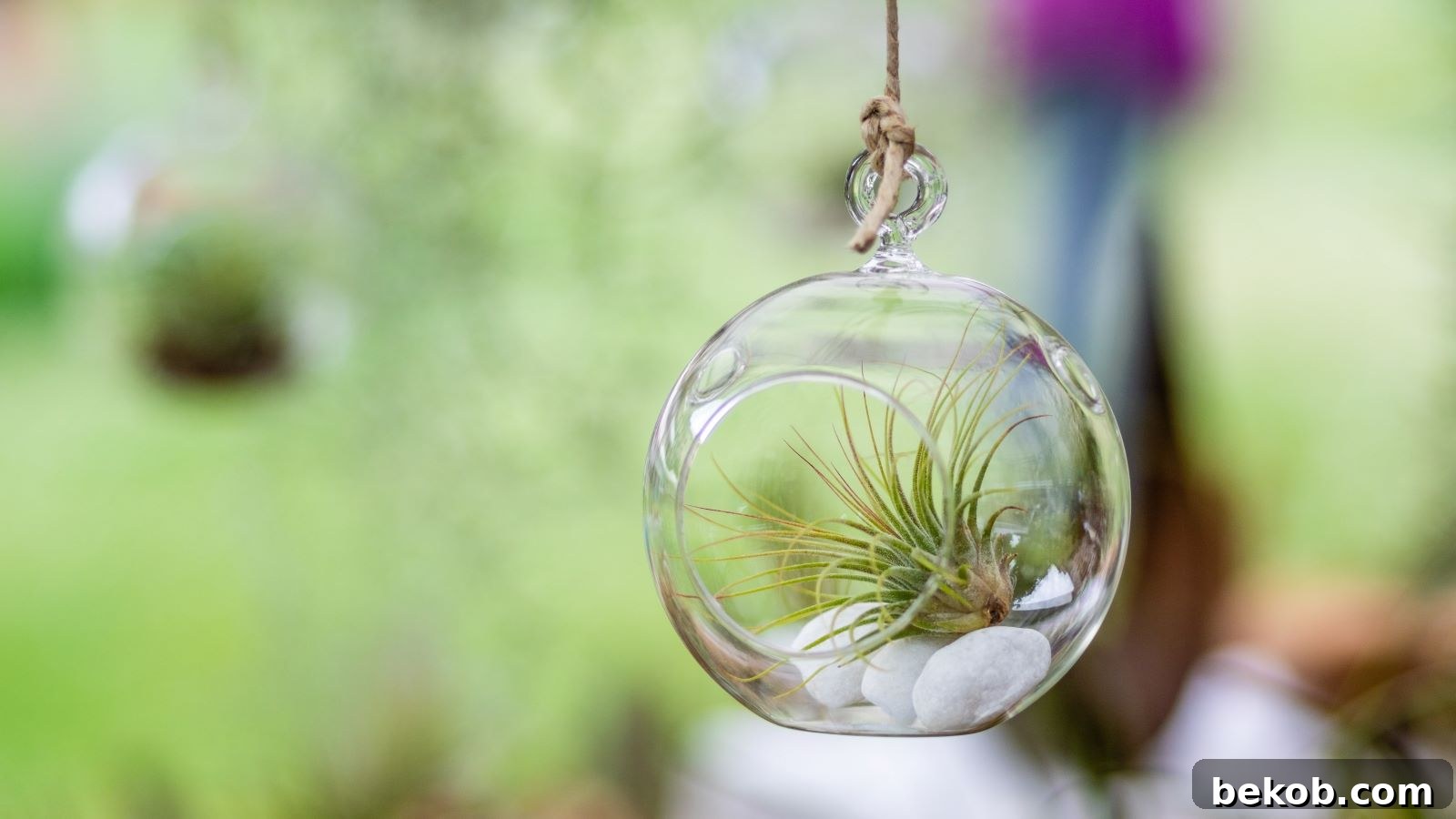
Are you the “always busy type,” constantly on the go and finding little time for traditional plant care? Then Air Plants (Tillandsia) are absolutely perfect for you. These remarkable epiphytes are native to deserts and tropical regions, and they have adapted to thrive on minimal attention. Requiring no soil, they absorb moisture and nutrients directly from the air through specialized scales on their leaves. Their care is incredibly simple: give them a good soak in water for 20-30 minutes once a week, and mist them occasionally in between. They enjoy bright, indirect light and good air circulation. Their unique growth habit allows for creative display options, from terrariums to hanging mounts. Adding to their appeal, Air Plants are non-toxic, providing a safe and fascinating botanical element to any space without concerns for pets or children.
Snake Plant (Sansevieria trifasciata)
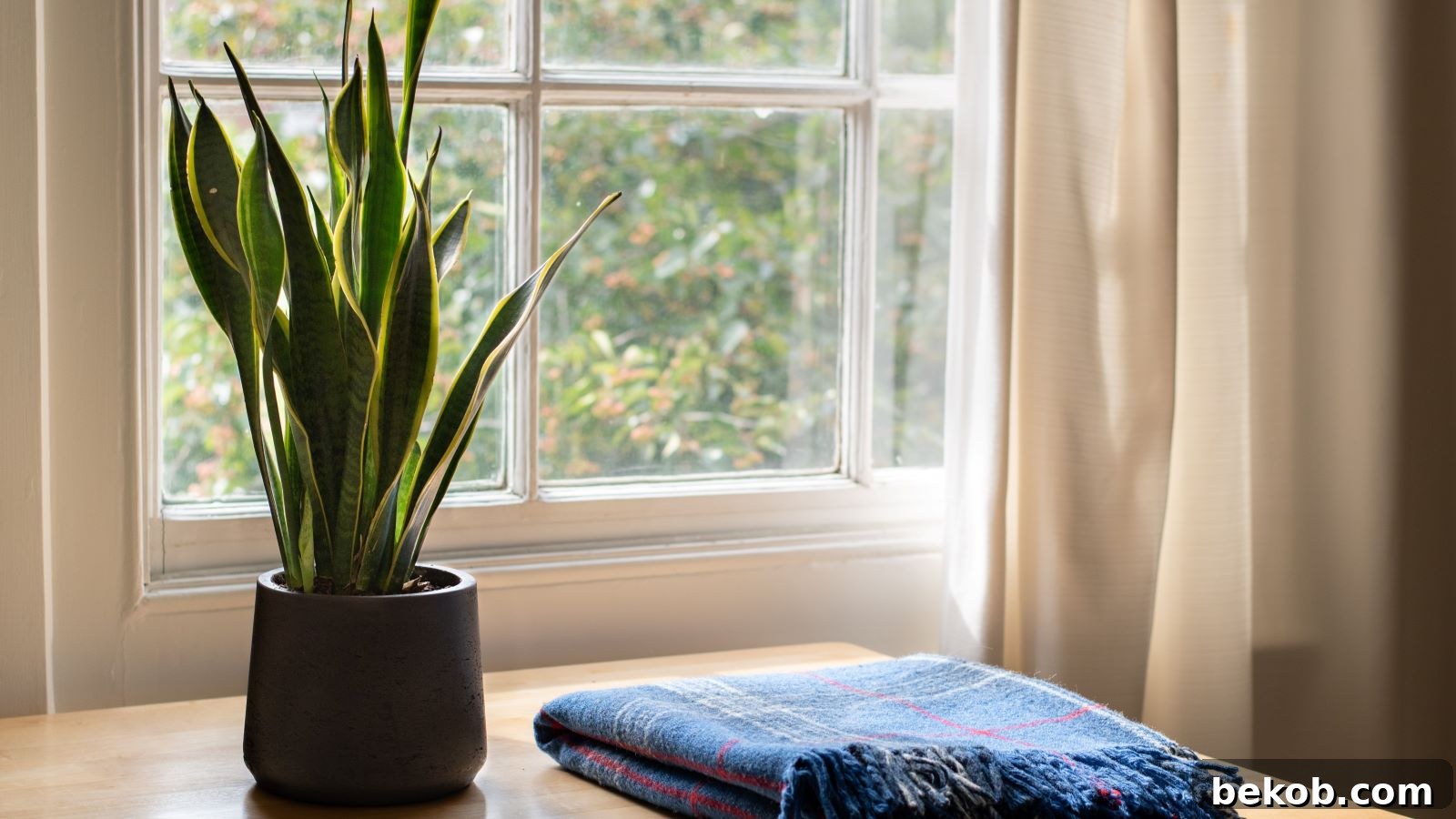
If your schedule leaves you little time to water your plants before heading out for your daily activities, the Snake Plant (also known as Mother-in-Law’s Tongue) should be at the top of your list. This iconic houseplant is legendary for its ability to survive, and even thrive, on extreme neglect. Its stiff, upright, sword-like leaves boast striking patterns and can withstand long periods without water, making it incredibly forgiving for the forgetful plant parent. Snake Plants excel in a wide range of light conditions, from low to bright indirect light, and are champions of air purification, removing toxins like formaldehyde and benzene. Its architectural form adds a modern, sculptural element to any decor. However, despite its hardy nature, the Snake Plant is poisonous to dogs and cats if ingested, causing oral irritation and digestive upset, so always place it out of reach.
Essential Care Tips for Your Indoor Garden
Choosing the right plants is just the first step. Understanding a few fundamental care principles will ensure your beginner-friendly plants flourish and bring you lasting joy.
- Light: Most houseplants prefer bright, indirect light. Direct, harsh sunlight can scorch their leaves, while too little light can lead to leggy growth and dull foliage. Observe your plant’s response to its location and adjust as needed.
- Watering: Overwatering is the most common killer of indoor plants. Always check the soil moisture before watering. Stick your finger about an inch or two into the soil; if it feels dry, it’s time to water. If it’s still damp, wait a few more days. Ensure your pots have drainage holes to prevent root rot.
- Humidity: Many tropical plants appreciate higher humidity. Grouping plants together, using a pebble tray with water, or a humidifier can help increase moisture in the air, especially during dry winter months.
- Potting & Soil: Use a good quality potting mix designed for houseplants. Repotting is usually only needed every 1-2 years, or when the plant becomes root-bound.
- Fertilizing: During the growing season (spring and summer), feed your plants with a balanced liquid fertilizer at half strength every 2-4 weeks. Reduce or stop fertilizing in fall and winter when growth slows.
- Pest Watch: Regularly inspect your plants for signs of common pests like spider mites, mealybugs, or aphids. Early detection makes treatment much easier, often with simple solutions like neem oil or insecticidal soap.
Important Toxicity Warning for Pet Owners and Parents
While the joy of indoor plants is immense, it’s crucial to be aware of the potential toxicity of certain species, especially if you share your home with curious pets or young children. Many common houseplants contain compounds that can cause mild to severe reactions if ingested. Symptoms can range from oral irritation, nausea, and vomiting to more serious internal issues. We’ve highlighted toxicity for each plant above, but it’s always best practice to:
- Research thoroughly: Before bringing any new plant home, verify its toxicity status.
- Place strategically: Keep potentially toxic plants out of reach of pets and children. Consider hanging baskets, high shelves, or secure plant stands.
- Observe: Watch your pets and children around new plants, especially in the first few days.
- Seek immediate help: If you suspect ingestion of a toxic plant, contact your veterinarian or a poison control center (e.g., ASPCA Animal Poison Control, Poison Control Center) immediately.
Prioritizing safety ensures that everyone in your household can enjoy the benefits of your beautiful indoor garden.
No More Pests: These Houseplants Are Your Guardians!
Did you know that certain houseplants can do more than just beautify your home? They can also act as your natural pest control partners, offering an eco-friendly alternative to chemical-laden pesticides. By inviting these green guardians into your living space, you’re not only adding a touch of nature to your decor but also creating a natural barrier against pesky insects. Discover which specific houseplants possess these incredible pest-repelling qualities and learn how to integrate them into your home for a healthier, pest-free environment. Explore more about these amazing houseplants that act as your guardians.
Timeless Elegance: 10 Vintage Garden Decor Inspirations

If you’re looking to elevate your outdoor space with charm and character, you’re in for a treat. Vintage garden decor is currently all the rage, and for good reason! It effortlessly combines old-world charm with a touch of comforting nostalgia, creating an ambiance that is both elegant and timeless. Imagine rustic lanterns, antique birdcages, weathered stone statues, or charming shabby-chic furniture breathing new life into your garden. These elements tell a story, adding depth and personality that modern decor often lacks. Dive in and explore these 10 vintage garden decor inspirations that will help you transform your outdoor garden into a true masterpiece of nostalgic beauty and enduring style.
DIY Artificial Plants for Outdoors on a Budget
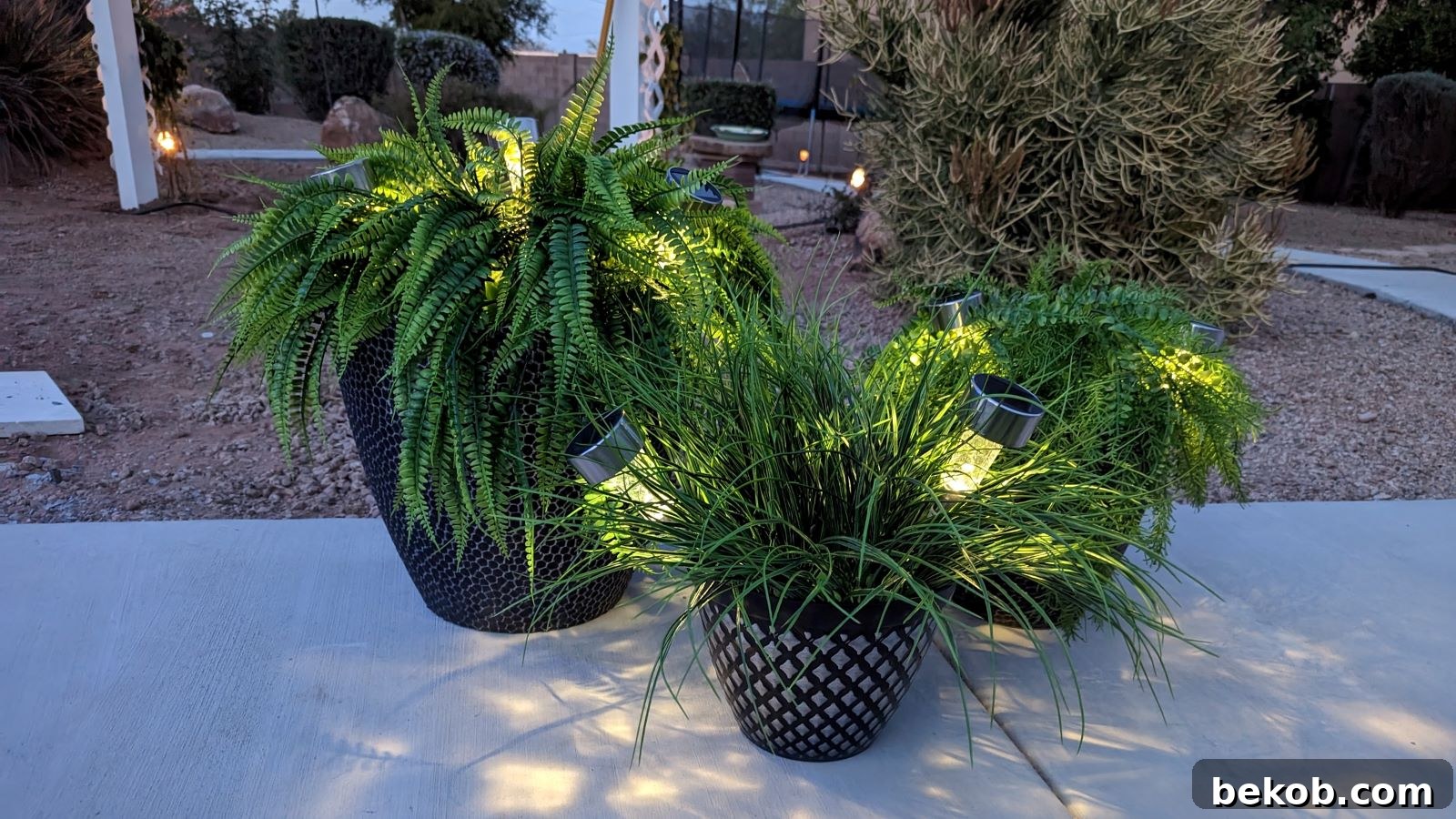
Do you adore the lush, vibrant look of potted outdoor plants but simply don’t have the time or green thumb for constant watering and maintenance? We have a brilliant hack for you! Discover how to create stunning DIY artificial plants for outdoors, enhanced with twinkling solar lights that come alive at night. This budget-friendly project allows you to enjoy perpetual greenery and enchanting evening illumination without any of the daily chores. Get the look you love, hassle-free and for a fantastic deal per planter!
25 Annuals for Shade That Bloom All Summer
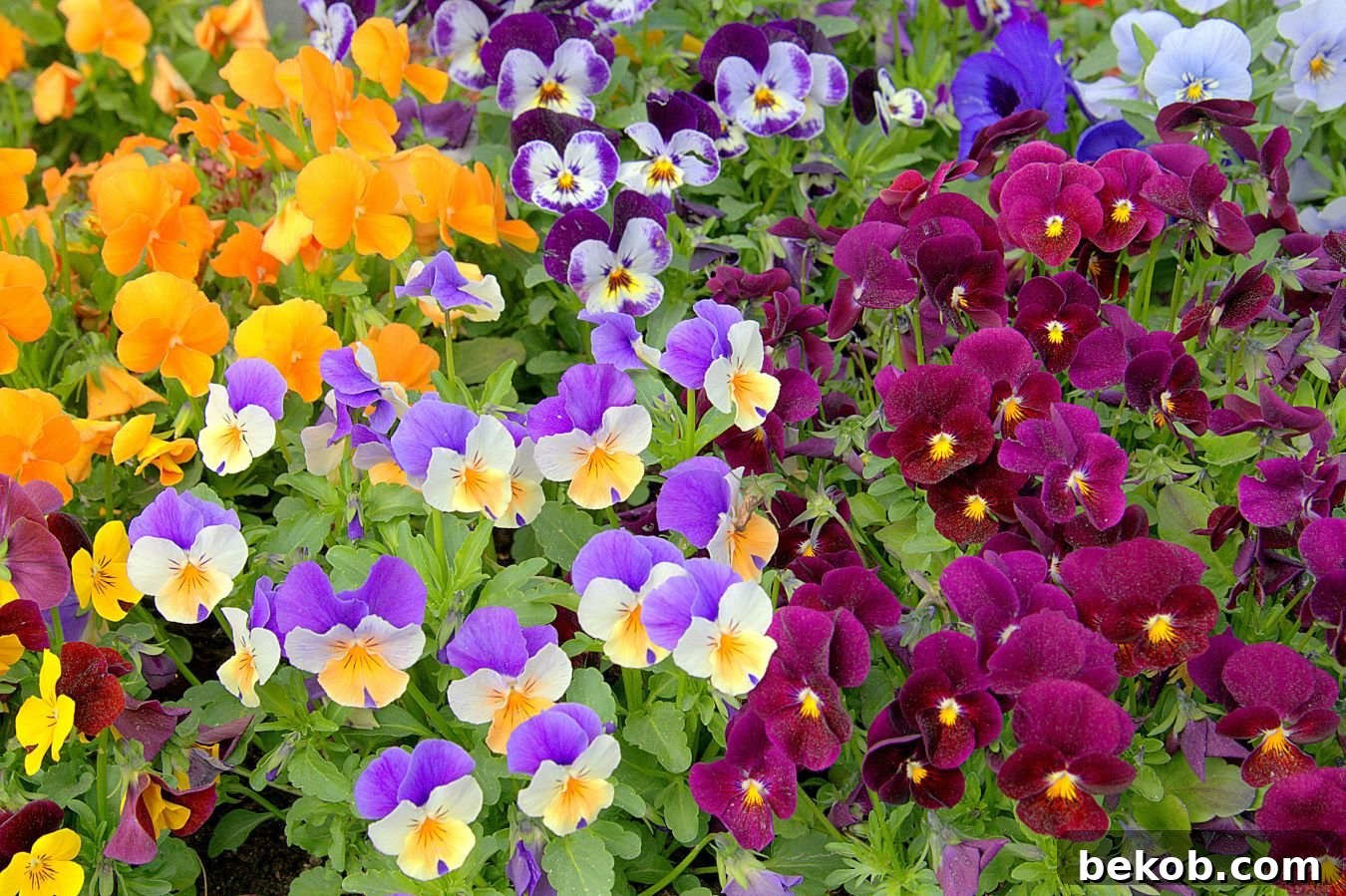
Finding vibrant flowers that thrive in shaded areas can often be a challenge, but not anymore! Here is an incredible list of 25 Annuals for Shade that bloom all summer long, bringing continuous color and life to those often-overlooked parts of your garden. What could be better than beautiful flowers that last for an extended period and flourish even without direct sunlight? These selections are fantastic for container gardening, shady borders, or brightening up patios and porches that receive limited sun. Say goodbye to dull, dim corners and hello to a season-long spectacle of blooms!
DIY Monogram Planter Building Plans

Add a truly personal and welcoming touch to your home’s exterior with a custom monogram planter. Follow this detailed step-by-step tutorial and woodworking plans to build this large outdoor DIY monogram planter in the letter of your choice. This project is perfect for creating a unique and personalized front porch decoration, a charming focal point for your garden, or an impressive gift. Imagine the curb appeal of a planter proudly displaying your family initial, filled with vibrant flowers or lush greenery. Get ready to craft a statement piece that blends your love for gardening with personalized design.