

Do you frequently find yourself tossing and turning, yearning for a night of undisturbed, restorative sleep? You’re certainly not alone. Millions globally grapple with sleep difficulties, yet a remarkably simple and beautiful solution might be closer than you think – nestled right in your living space or bedside.
Houseplants do more than just infuse your home with vibrant beauty and life; specific varieties possess incredible properties that can profoundly enhance your sleep quality. By introducing these natural wonders into your bedroom, you can cultivate a serene, calming atmosphere conducive to deep slumber. Prepare to transform your personal sanctuary and invite restful nights with our curated list of 15 fantastic plants.
Important Note for Pet Owners: Before introducing any new plant into your home, always verify its safety for your furry friends. Some plants can be toxic to pets if ingested.
Transform Your Bedroom into a Sleep Sanctuary with These Top 15 Plants
15. Snake Plant (Sansevieria trifasciata)
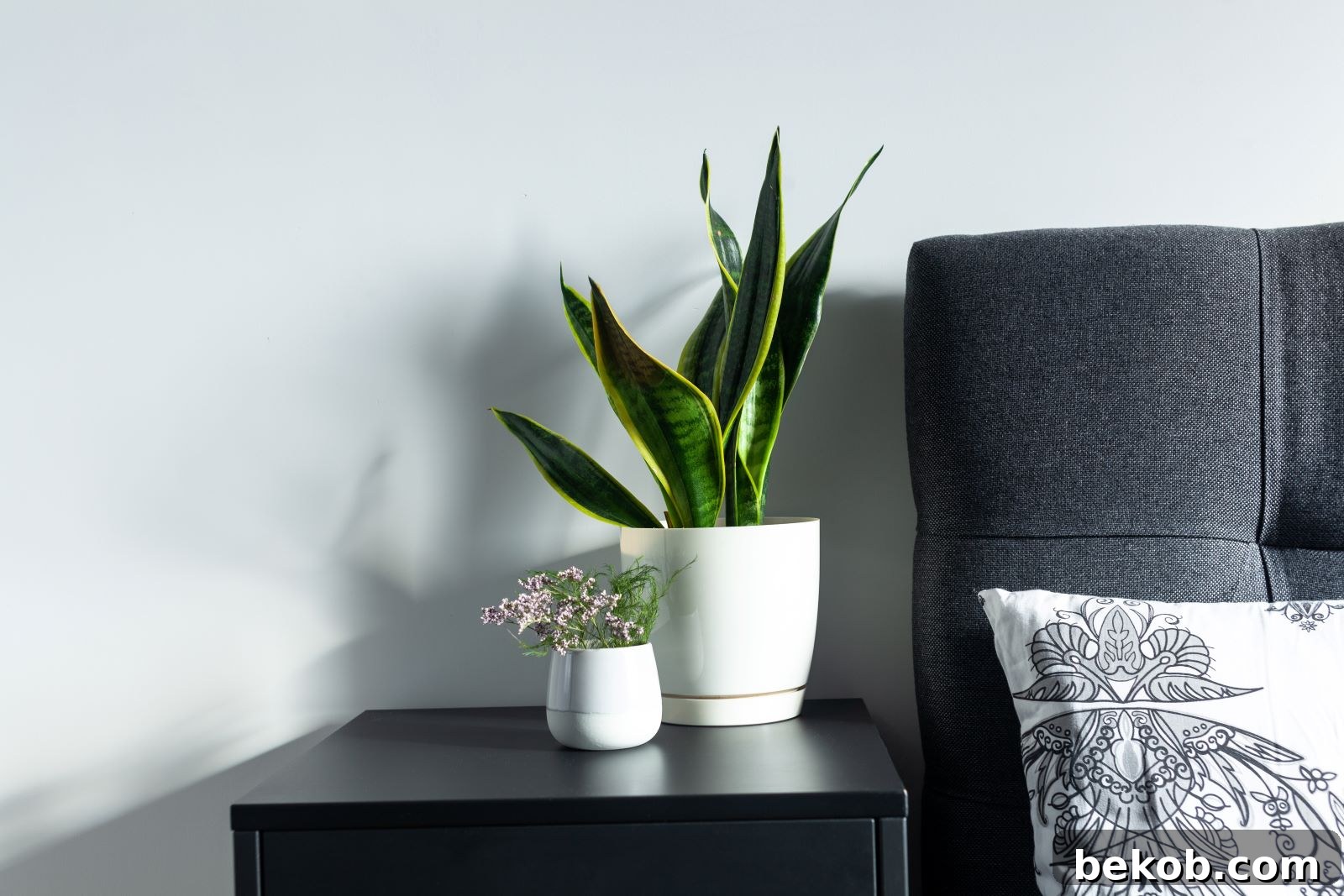
Often hailed as an architectural marvel, the Snake Plant is remarkably resilient and almost indestructible, thriving even in low light and with minimal care. Beyond its striking upright foliage, this powerhouse plant works tirelessly to purify your air. Unlike most plants that release oxygen during the day, the Snake Plant performs this vital function at night, ensuring you breathe cleaner, oxygen-rich air as you sleep. It’s also exceptionally effective at filtering out common household toxins such as formaldehyde, benzene, xylene, and trichloroethylene, which can often disrupt sleep patterns. Placing a Snake Plant in your bedroom creates a naturally detoxified and more breathable environment, paving the way for a deeper, more refreshing rest.
14. English Lavender (Lavandula angustifolia)
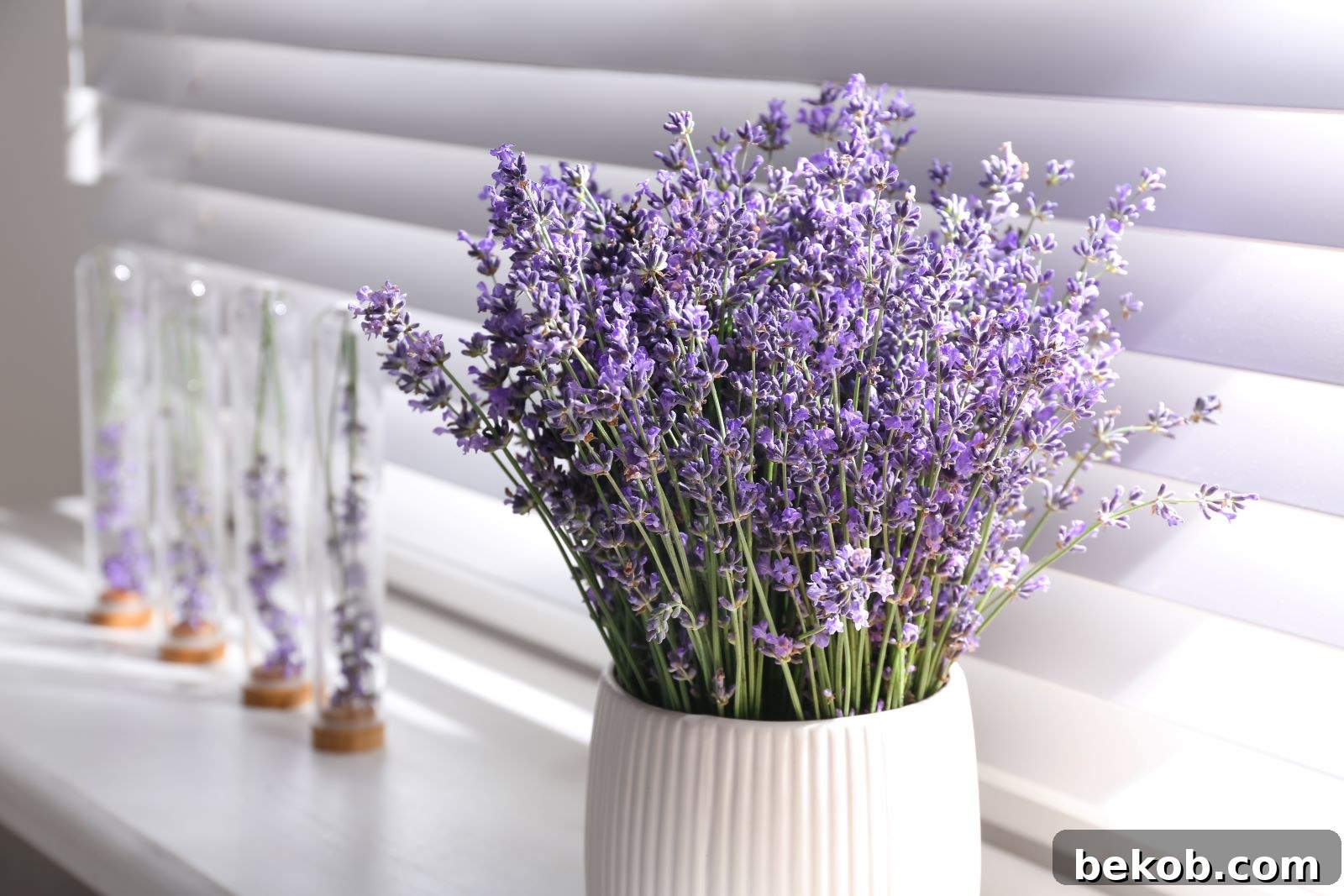
The enchanting and calming aroma of lavender is legendary, widely recognized for its therapeutic properties. Numerous studies have confirmed its ability to reduce anxiety, lower heart rate, and promote a profound sense of relaxation, making it an ideal companion for your bedroom. A potted English Lavender plant near your window or on your bedside table will gently diffuse its soothing scent throughout the night, helping to quiet your mind and ease you into peaceful sleep. Beyond its sleep-inducing fragrance, lavender also boasts natural antibacterial and anti-inflammatory qualities, further contributing to a healthy sleep environment. Ensure it gets plenty of bright, indirect sunlight and good air circulation.
13. Peace Lily (Spathiphyllum wallisii)
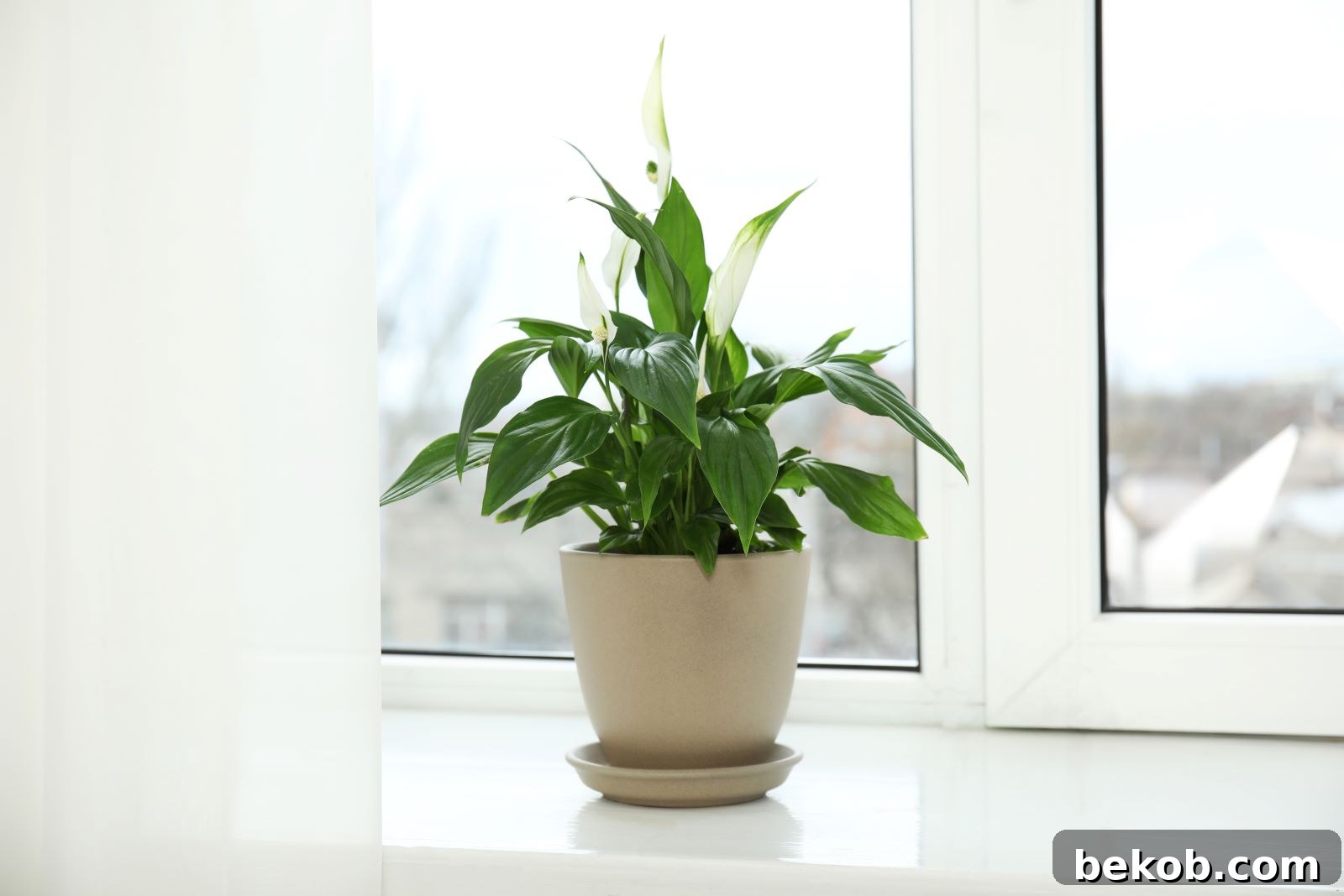
The elegant Peace Lily, with its striking white blooms and glossy green leaves, is much more than just a beautiful decorative plant. It’s a highly effective natural air purifier, celebrated by NASA for its exceptional ability to combat a range of common household toxins, including ammonia, benzene, formaldehyde, and trichloroethylene. By filtering these airborne pollutants, the Peace Lily helps to create a cleaner, fresher environment, promoting easier breathing and a more restful sleep. Additionally, this plant is known to naturally increase humidity levels, which can be particularly beneficial for individuals suffering from congestion, dry skin, or allergies, leading to a more comfortable and uninterrupted night’s sleep. It thrives in medium to low indirect light and prefers consistently moist soil.
12. Devil’s Ivy (Epipremnum aureum)
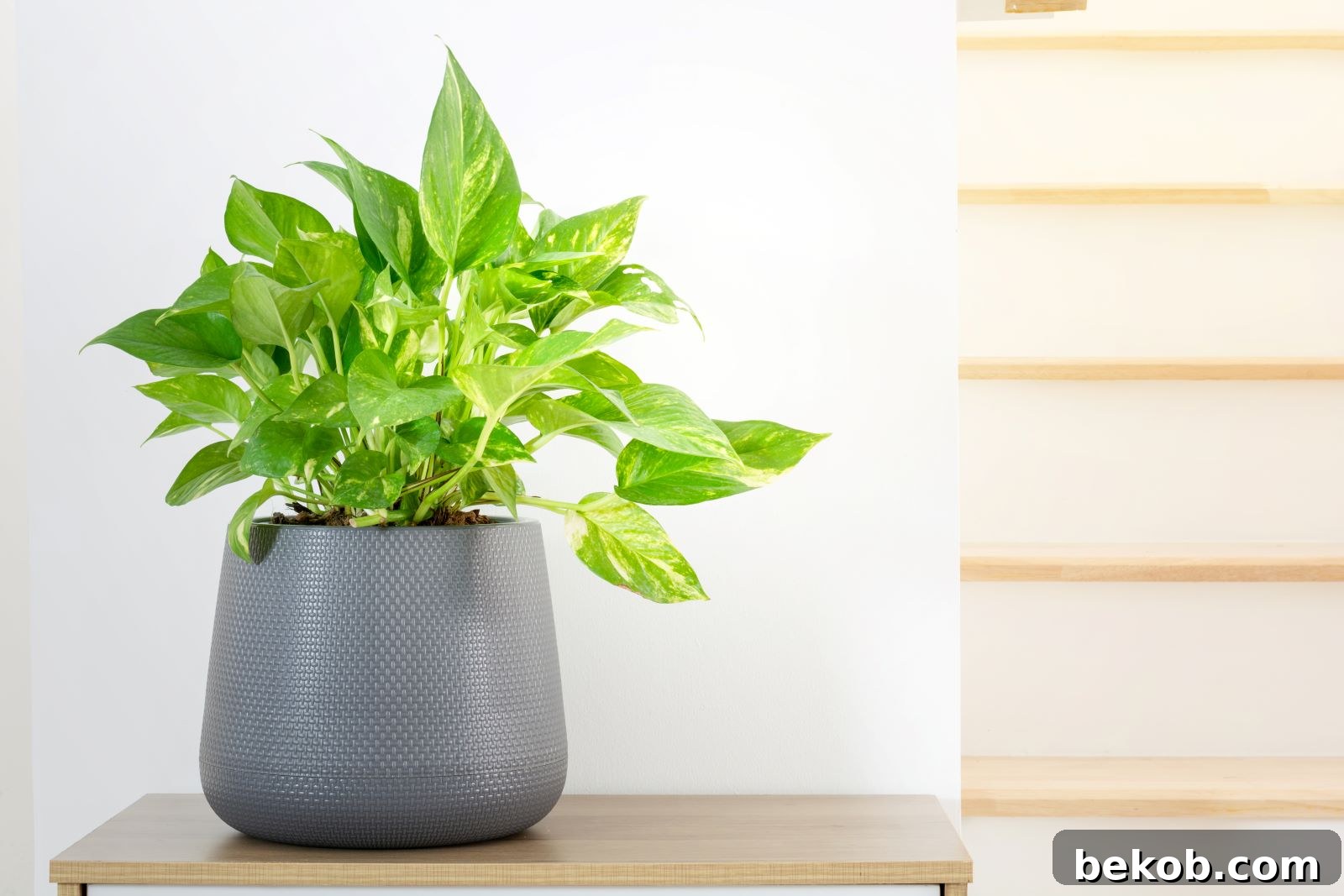
Also popularly known as Pothos, Devil’s Ivy is renowned for its resilience and incredibly easy care, making it an excellent choice for beginners and busy individuals. This trailing vine is a formidable champion at removing airborne toxins, including formaldehyde, xylene, benzene, and carbon monoxide, which can irritate the respiratory system and significantly disrupt sleep. Its beautiful cascading foliage adds a touch of natural tranquility and visual interest to any space, whether placed on a shelf or in a hanging basket. Devil’s Ivy is nearly impossible to kill and adapts well to a variety of lighting conditions, from low to bright indirect light, ensuring it thrives effortlessly in your bedroom while working to purify the air for your peaceful slumber.
11. Geranium (Pelargonium)
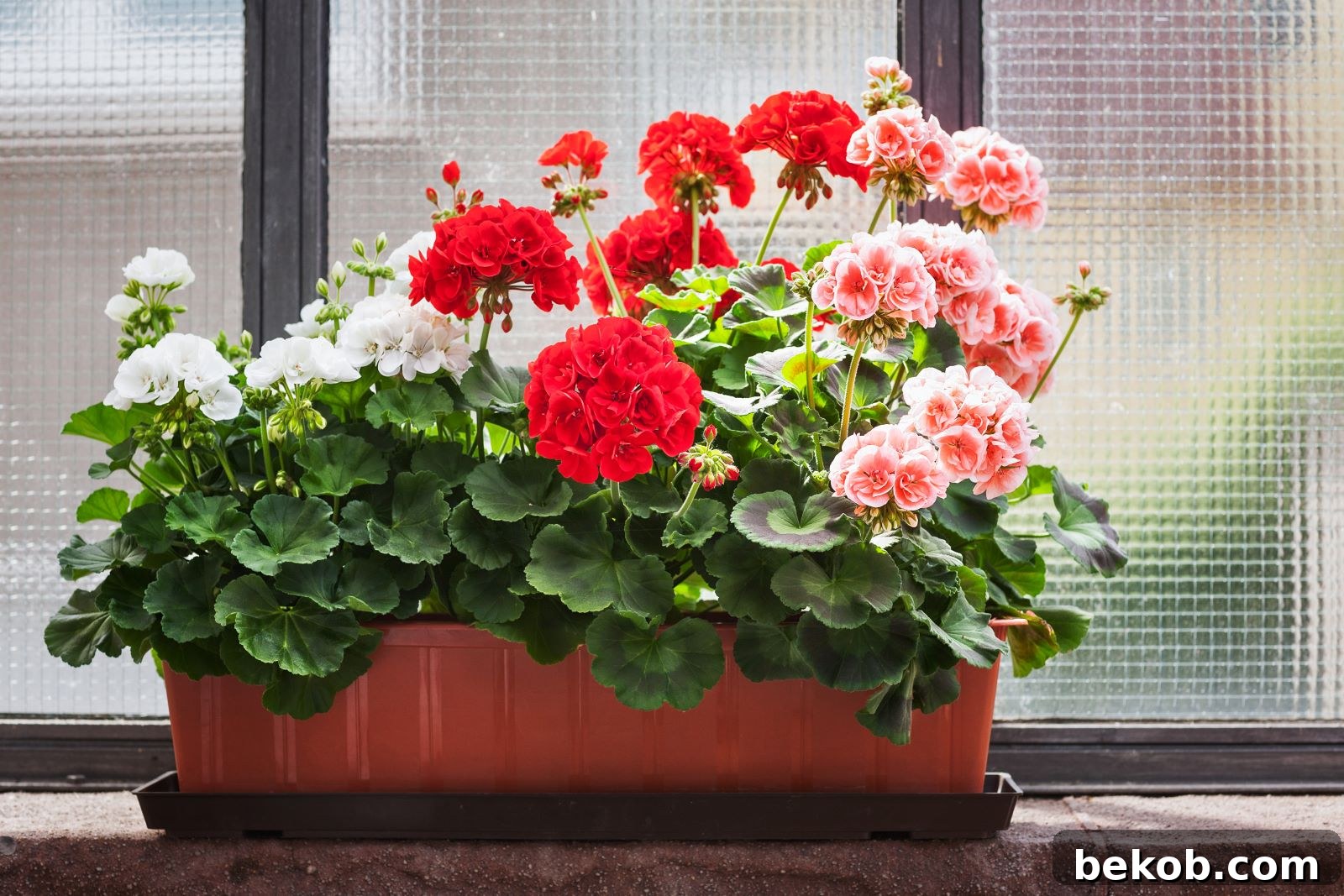
These wonderfully cheerful flowering plants, available in a delightful spectrum of colors and varieties, are more than just a feast for the eyes. Geraniums emit a subtle, sweet, and often citrusy or rosy scent, depending on the variety, which has long been utilized in aromatherapy to ease anxiety and promote deep relaxation. Placing a Geranium in your bedroom can help create a soothing sensory experience, perfect for unwinding and preparing your body and mind for restful sleep. They prefer bright, indirect sunlight and consistently moist, well-draining soil. With proper care, Geraniums are relatively low-maintenance and can provide continuous blooms and their calming fragrance throughout much of the year, adding both beauty and serenity to your sleep space.
10. Spider Plant (Chlorophytum comosum)
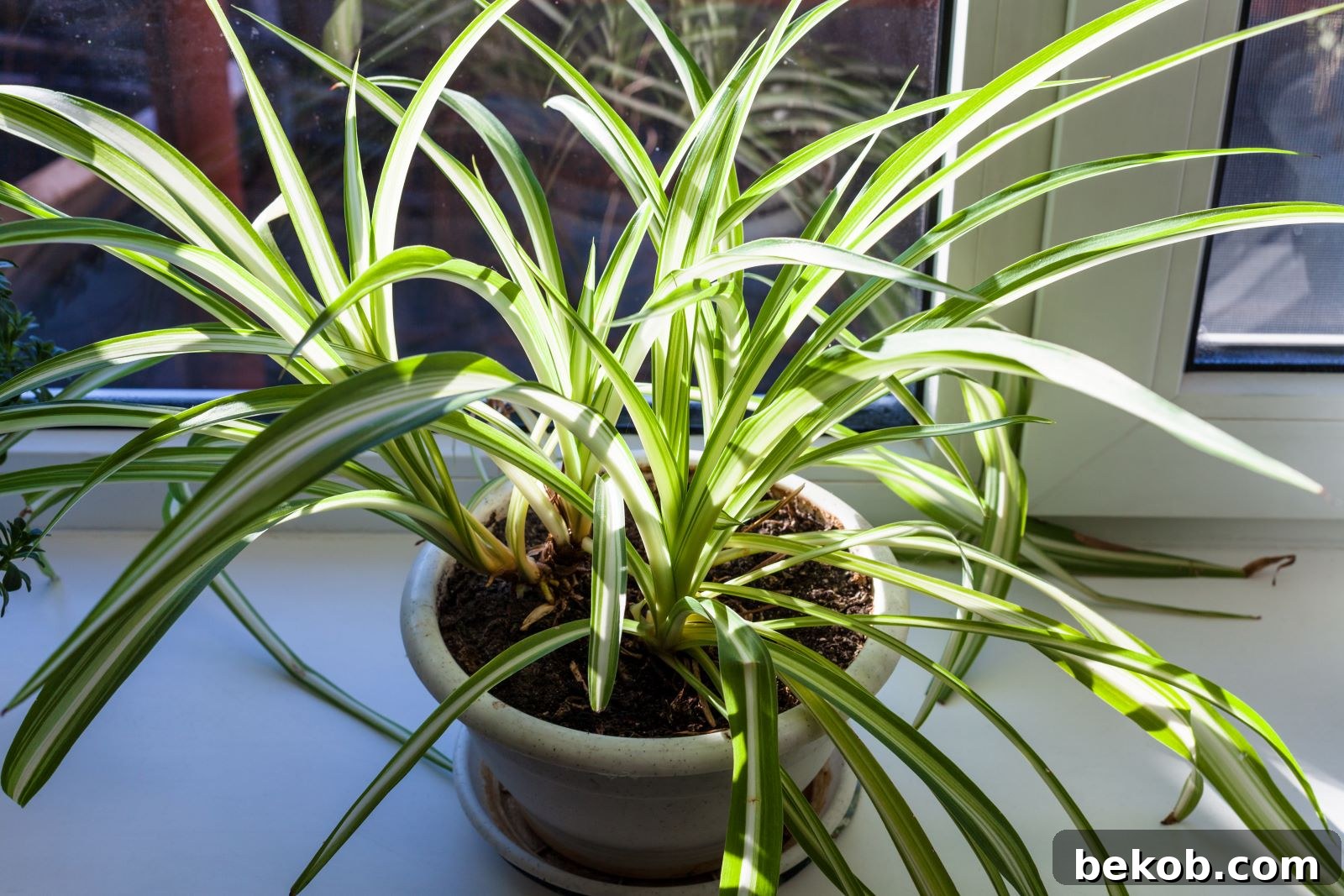
The adaptable and graceful Spider Plant is a perennial favorite among indoor gardeners, and for good reason. It thrives effortlessly in almost any indoor environment and is an exceptional natural air purifier, effectively removing harmful toxins such as carbon monoxide, xylene, formaldehyde, and benzene from your indoor air. By cleansing the air you breathe, the Spider Plant contributes significantly to easier breathing and a sounder, more uninterrupted sleep. Its distinctive arching leaves and charming “spiderettes” (baby plants) that dangle from the mother plant add a unique visual appeal and sense of freshness to your bedroom. These baby spiderettes can also be easily propagated, allowing you to create more air-purifying plants for your home and share the gift of better sleep.
9. Valerian (Valeriana officinalis)

While perhaps less common as a houseplant, Valerian is a well-known herb whose roots are frequently used in natural sleep remedies and supplements due to their sedative properties. Although harvesting the roots for medicinal purposes isn’t practical or recommended for an indoor plant, the living Valerian plant itself emits a subtly earthy and calming fragrance that can promote relaxation and help prepare your body for sleep. Its delicate flowers add a touch of natural beauty. To thrive indoors, Valerian prefers cooler temperatures and bright, indirect sunlight. Integrating this historically significant plant into your bedroom decor can offer a gentle, aromatic nudge towards a more tranquil and restful night.
8. Boston Fern (Nephrolepis exaltata)
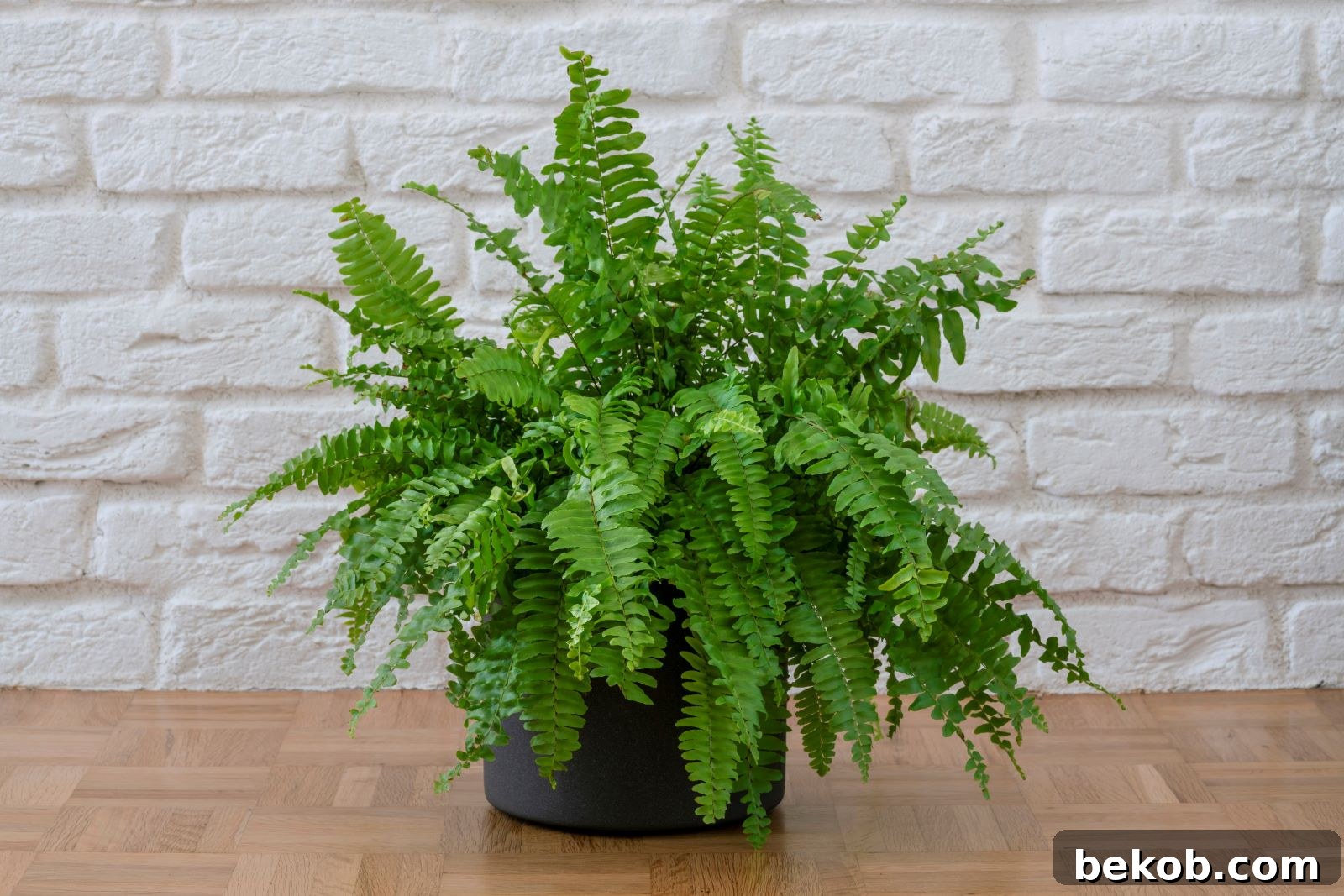
The lush and verdant Boston Fern brings a refreshing, tropical feel to your bedroom, not only enhancing its aesthetic but also significantly contributing to a healthier sleep environment. This graceful fern is renowned for its superior air-purifying capabilities, diligently removing common household toxins such as formaldehyde, xylene, and benzene from the air. Crucially, Boston Ferns are also natural humidifiers, releasing moisture into the atmosphere. Increased humidity can be incredibly beneficial for sleep quality, especially in dry climates or during winter months, as it helps alleviate dry nasal passages, sore throats, and dry skin, leading to more comfortable and uninterrupted breathing throughout the night. They thrive in humid environments and bright, indirect light, making them a rewarding addition to your sleep sanctuary.
7. Areca Palm (Dypsis lutescens)
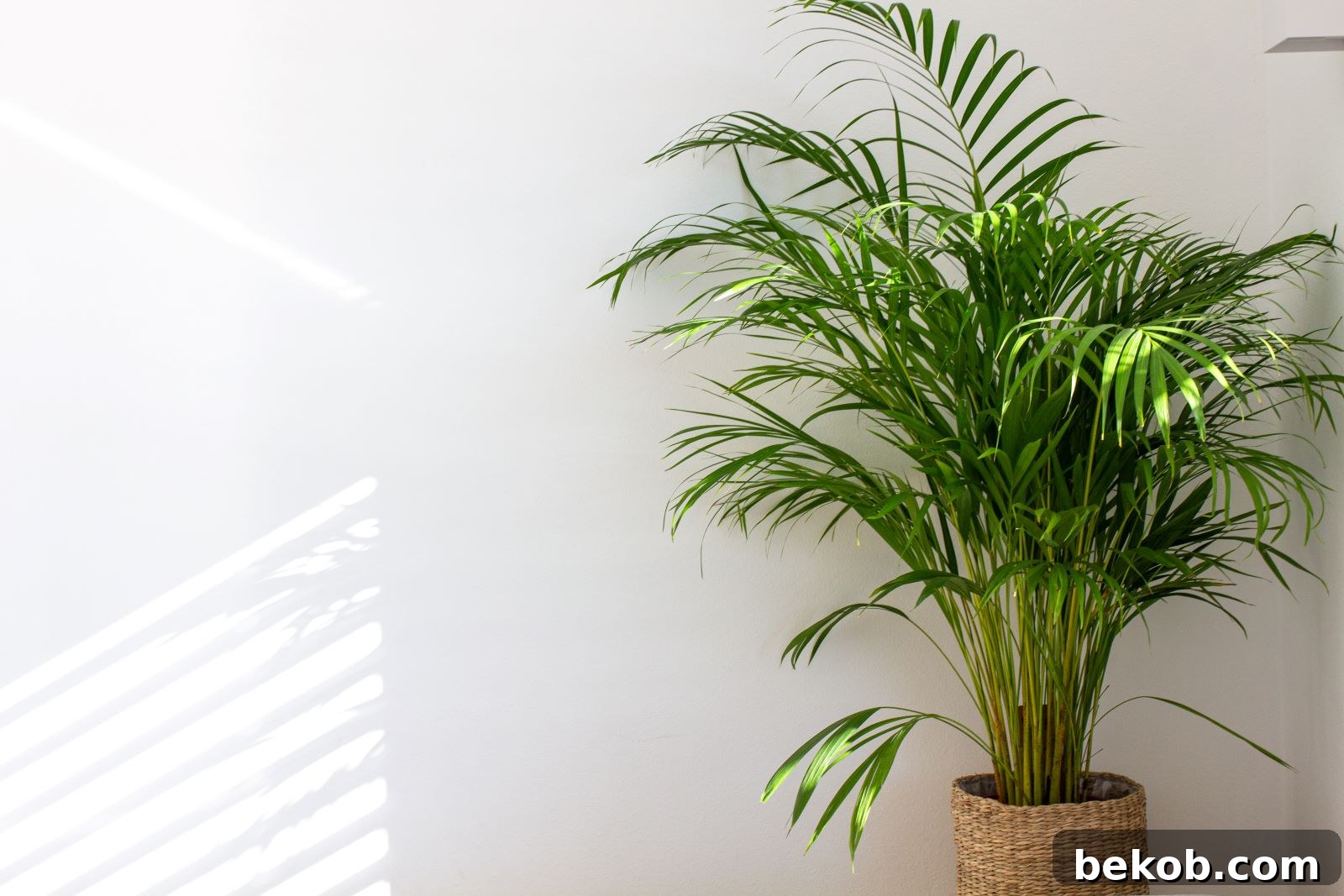
The elegant Areca Palm, with its arching fronds, makes a bold and beautiful statement in any bedroom, instantly infusing it with a tropical, calming vibe. More than just a striking ornamental plant, the Areca Palm is a highly effective natural humidifier. It actively releases significant amounts of moisture into the air through transpiration, which can be exceptionally beneficial in drier climates or homes with heating/air conditioning systems that strip moisture from the air. Optimal humidity levels help prevent dry sinuses, scratchy throats, and skin irritation, fostering an environment where you can breathe easier and sleep more soundly. This palm also contributes to air purification by filtering out toxins like formaldehyde and xylene. Areca Palms prefer bright, indirect sunlight and consistently moist, well-draining soil, and can grow quite large, making them a majestic and health-promoting addition to your sleep space.
6. Bromeliad (Bromeliaceae family)
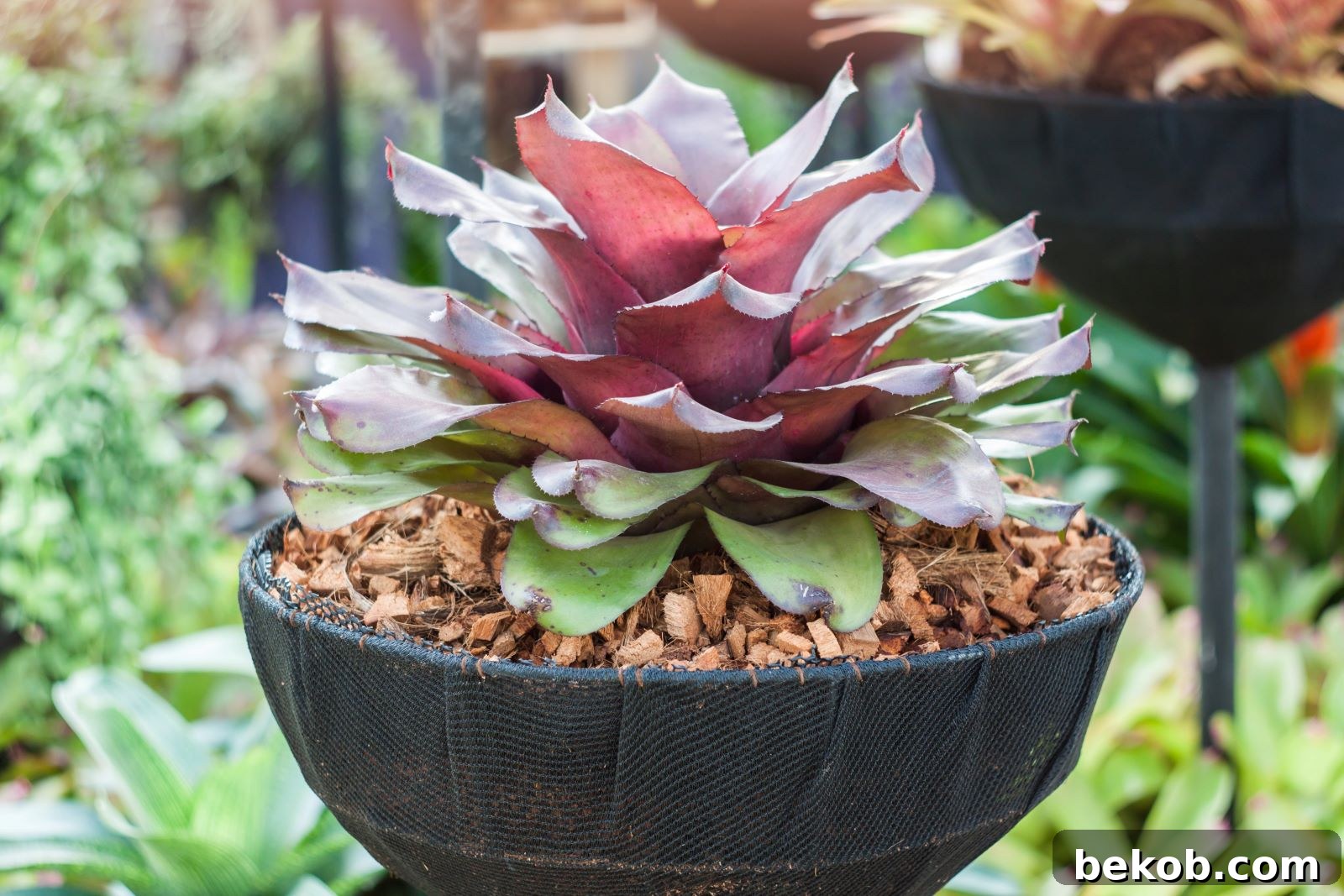
Bromeliads, with their strikingly vibrant colors and unique rosette forms, are captivating additions to any interior, bringing an exotic flair to your bedroom. What makes them particularly beneficial for sleep is their unique ability to absorb carbon dioxide at night, a process uncommon among most houseplants. By actively removing CO2 and releasing oxygen while you sleep, Bromeliads work to improve the air quality in your bedroom throughout the night, which can lead to clearer airways and a more restful and restorative sleep experience. These beautiful flowering plants come in a wide array of shapes, sizes, and colors, allowing you to choose one that perfectly complements your personal decor. They generally prefer bright, indirect sunlight and good air circulation, with water poured into their central cup, making them both beautiful and functional for a better night’s rest.
5. Chinese Evergreen (Aglaonema)
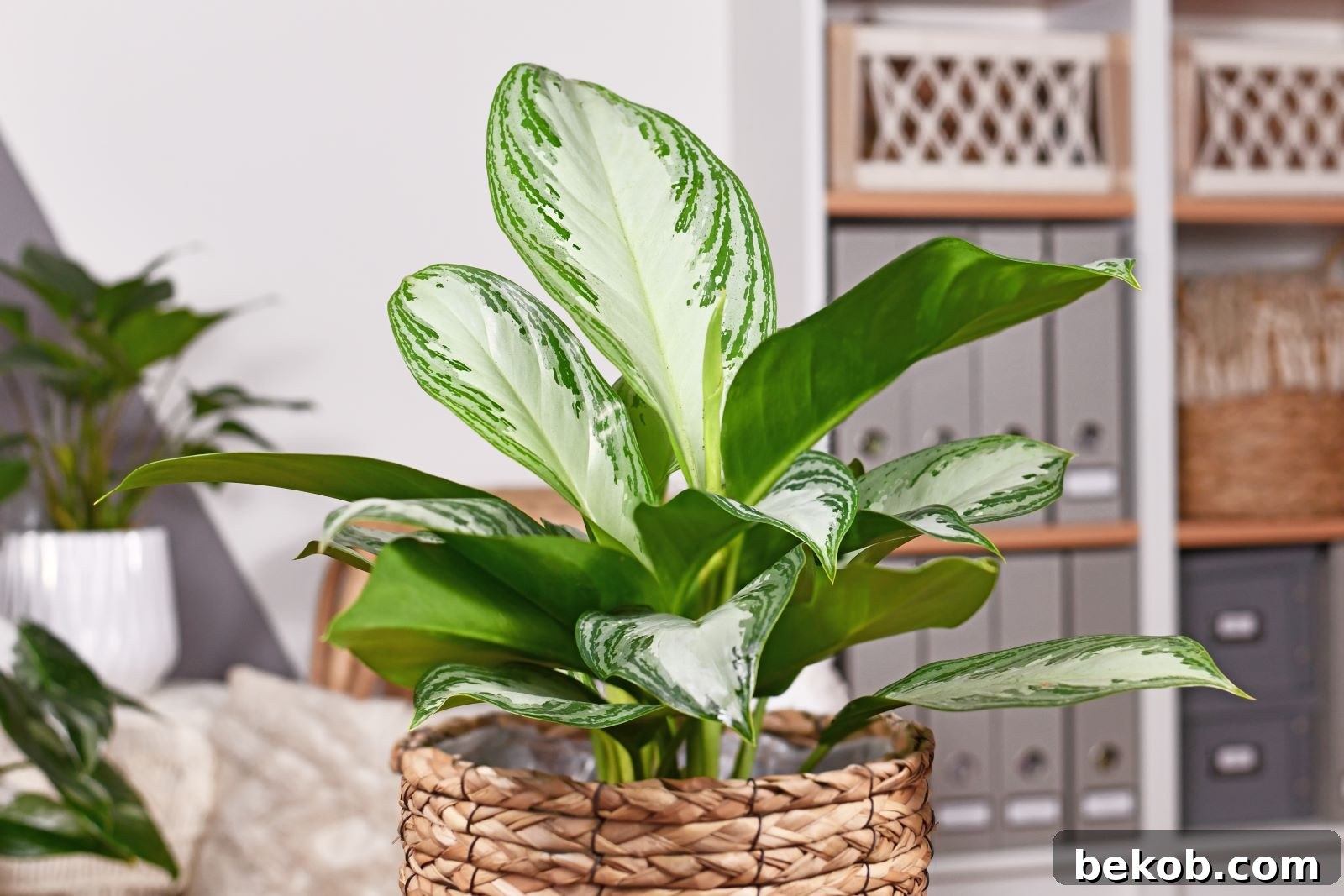
The Chinese Evergreen is a wonderfully adaptable and low-maintenance plant, making it an ideal choice for busy individuals seeking to improve their sleep environment with minimal effort. This attractive plant, available in a stunning variety of leaf colors and patterns (from deep greens to silver and pink variegations), is a powerful champion at removing common indoor toxins like benzene, formaldehyde, and carbon monoxide from the air. Its air-purifying capabilities contribute to a cleaner, fresher bedroom atmosphere, which in turn supports easier breathing and a more undisturbed night’s sleep. Thriving in low to medium light conditions, the Chinese Evergreen adds a touch of elegant beauty to your bedroom without demanding constant attention. It’s a slow-growing plant, perfect for creating a lasting, serene green presence.
4. Rubber Plant (Ficus elastica)
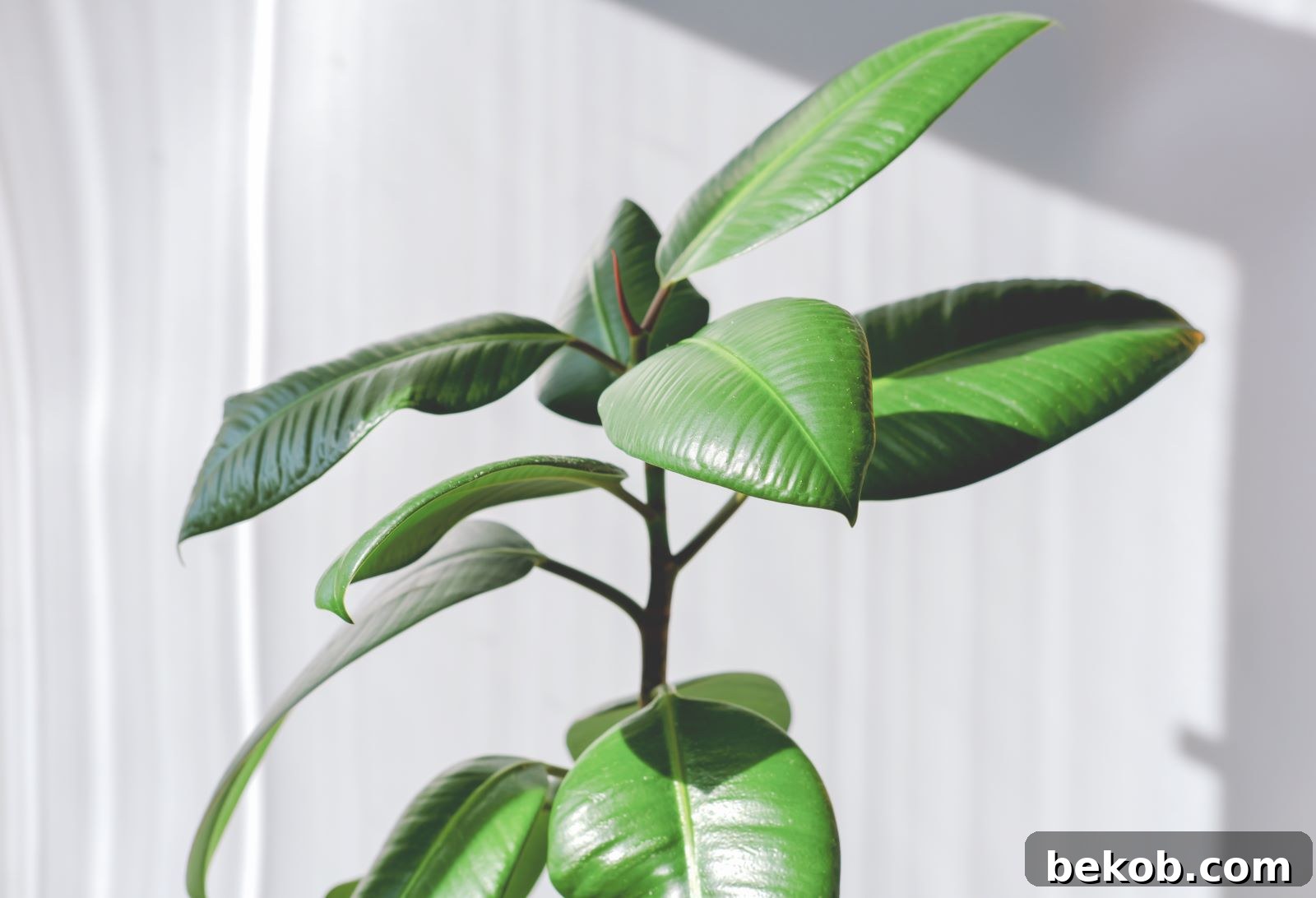
The Rubber Plant, a popular and strikingly beautiful houseplant, is celebrated for its large, glossy leaves and robust nature. Beyond its aesthetic appeal, it’s an exceptionally effective air-purifying powerhouse. This plant excels at removing a range of indoor air pollutants, including formaldehyde, benzene, and trichloroethylene, all of which can negatively impact respiratory health and sleep quality. Furthermore, the Rubber Plant contributes to increasing humidity levels in your bedroom, creating a more comfortable and breathable environment, especially beneficial for those susceptible to dry air conditions. Its ability to cleanse the air and add moisture makes it a prime candidate for fostering a sleep-conducive atmosphere. Rubber Plants prefer bright, indirect sunlight and well-draining soil, and can grow quite tall, making a significant impact in your sleep space.
3. Aloe Vera (Aloe barbadensis miller)
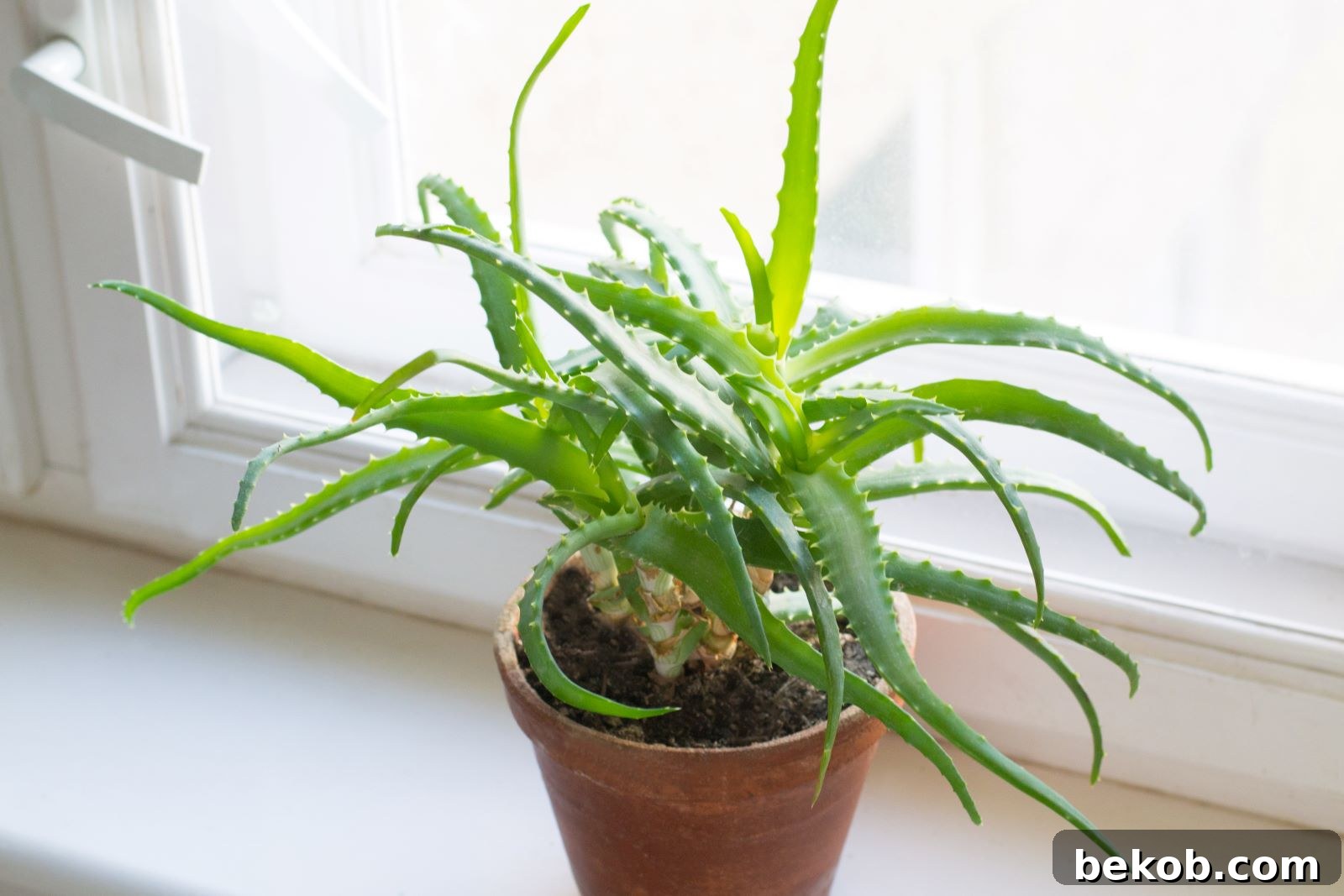
While Aloe Vera is widely recognized for its topical healing properties, particularly for skin ailments, its benefits extend far beyond the medicine cabinet. This resilient succulent is also a remarkable air purifier, working diligently through the night. Similar to the Snake Plant, Aloe Vera releases oxygen and absorbs carbon dioxide during nighttime hours, a rare trait among plants, ensuring a continuous supply of fresh air while you sleep. It’s also effective at absorbing harmful chemicals like formaldehyde and benzene, which can be emitted from common household products. By actively cleansing the air, Aloe Vera contributes to a healthier and more restful sleep environment. As a low-maintenance plant, it thrives in bright, indirect sunlight and well-draining soil, requiring minimal watering, making it an effortless addition to your bedroom.
2. Baby’s Tears (Soleirolia soleirolii)
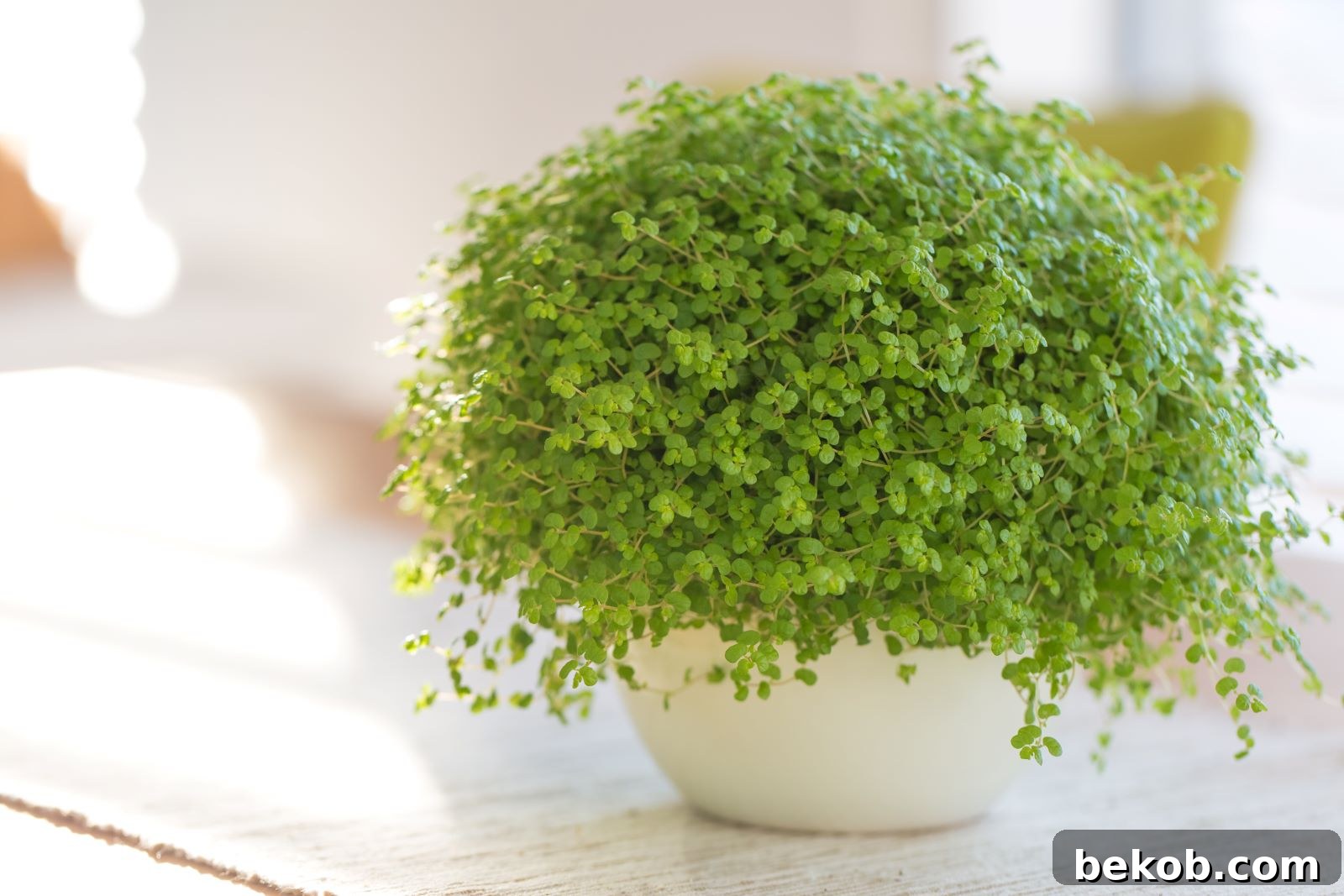
Baby’s Tears is a charming and delicate low-growing plant that offers a unique visual soothing effect, making it an excellent choice for creating a serene bedroom atmosphere. Its soft, moss-like texture and intricate, cascading vines form a lush green carpet that can evoke feelings of peace and tranquility. This visually calming presence helps to promote relaxation, gently easing your mind before bed. While not primarily an air purifier, the psychological comfort derived from its gentle aesthetic can be profoundly beneficial for individuals seeking a calmer mindset for sleep. Baby’s Tears prefers cool temperatures and consistent moisture, thriving in indirect sunlight. It looks stunning in terrariums, small pots, or hanging baskets, and can be easily propagated, allowing you to spread its calming beauty throughout your sleep space.
1. Scandinavian Ivy (Hedera helix)
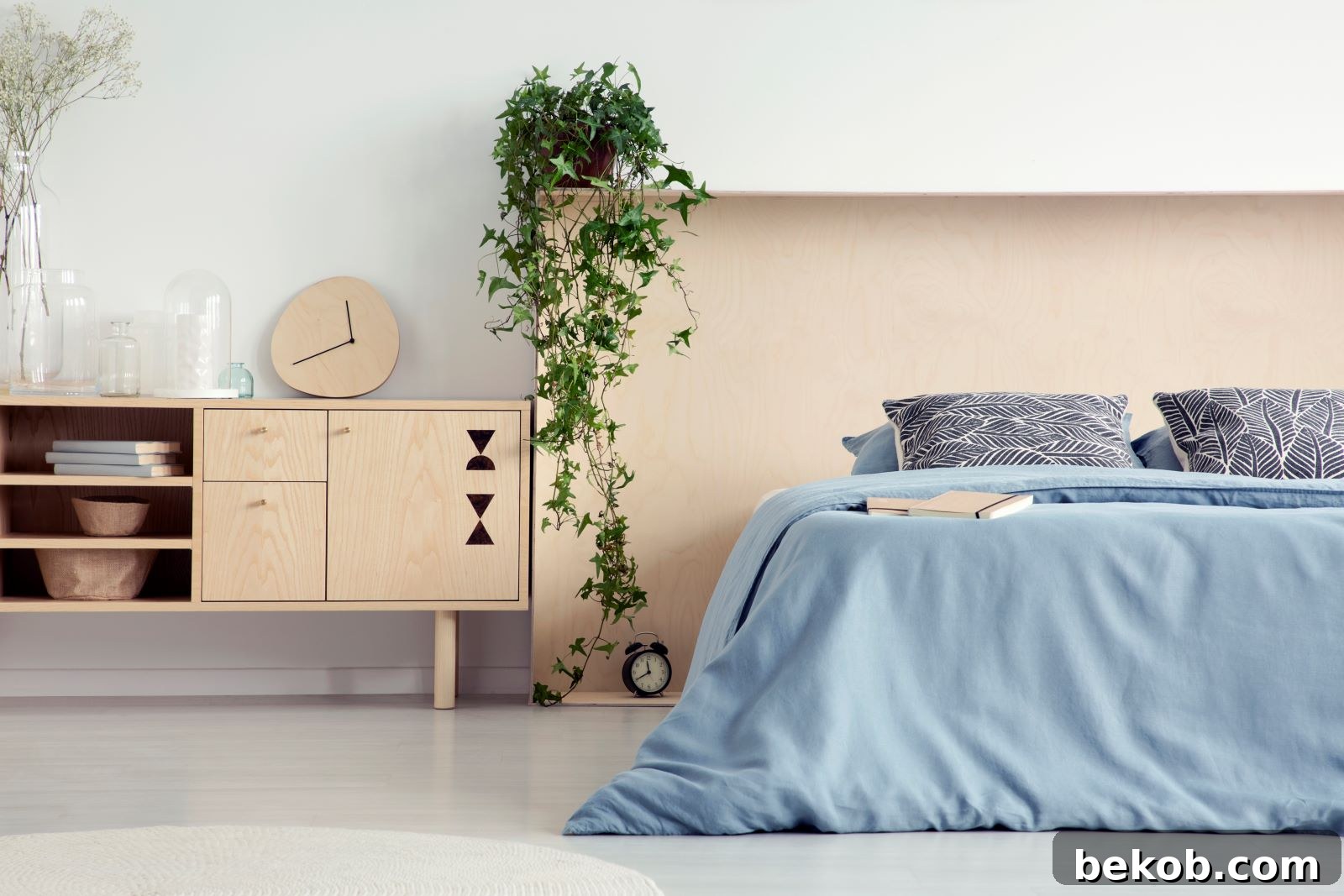
Scandinavian Ivy, a popular variety of English Ivy (Hedera helix), shares many of the robust, beneficial qualities of its botanical relatives, making it an outstanding addition to your bedroom for improving sleep quality. This fast-growing vine is recognized by NASA as one of the best air-purifying plants, exceptionally effective at removing airborne toxins such as formaldehyde, benzene, and trichloroethylene. By thoroughly cleansing the air, it reduces irritants that can impede clear breathing and deep sleep. Moreover, Scandinavian Ivy naturally increases humidity levels, which can be particularly helpful for those suffering from asthma or allergies, creating a cleaner and more breathable environment crucial for a better night’s rest. It’s highly adaptable, tolerating various lighting conditions from bright indirect to lower light, and can be beautifully displayed in hanging baskets or trained to climb, adding lush greenery and significant health benefits to your sleep sanctuary.
So, instead of counting sheep, why not embrace the power of botany? By thoughtfully selecting and introducing these wonderful sleep-promoting plants into your bedroom, you can create a naturally healthier, more serene, and relaxing environment. Surround yourself with these green companions, and you might just find yourself drifting off to dreamland faster and enjoying deeper, more restorative sleep than ever before.
DIY Artificial Plants for Outdoors on a Budget
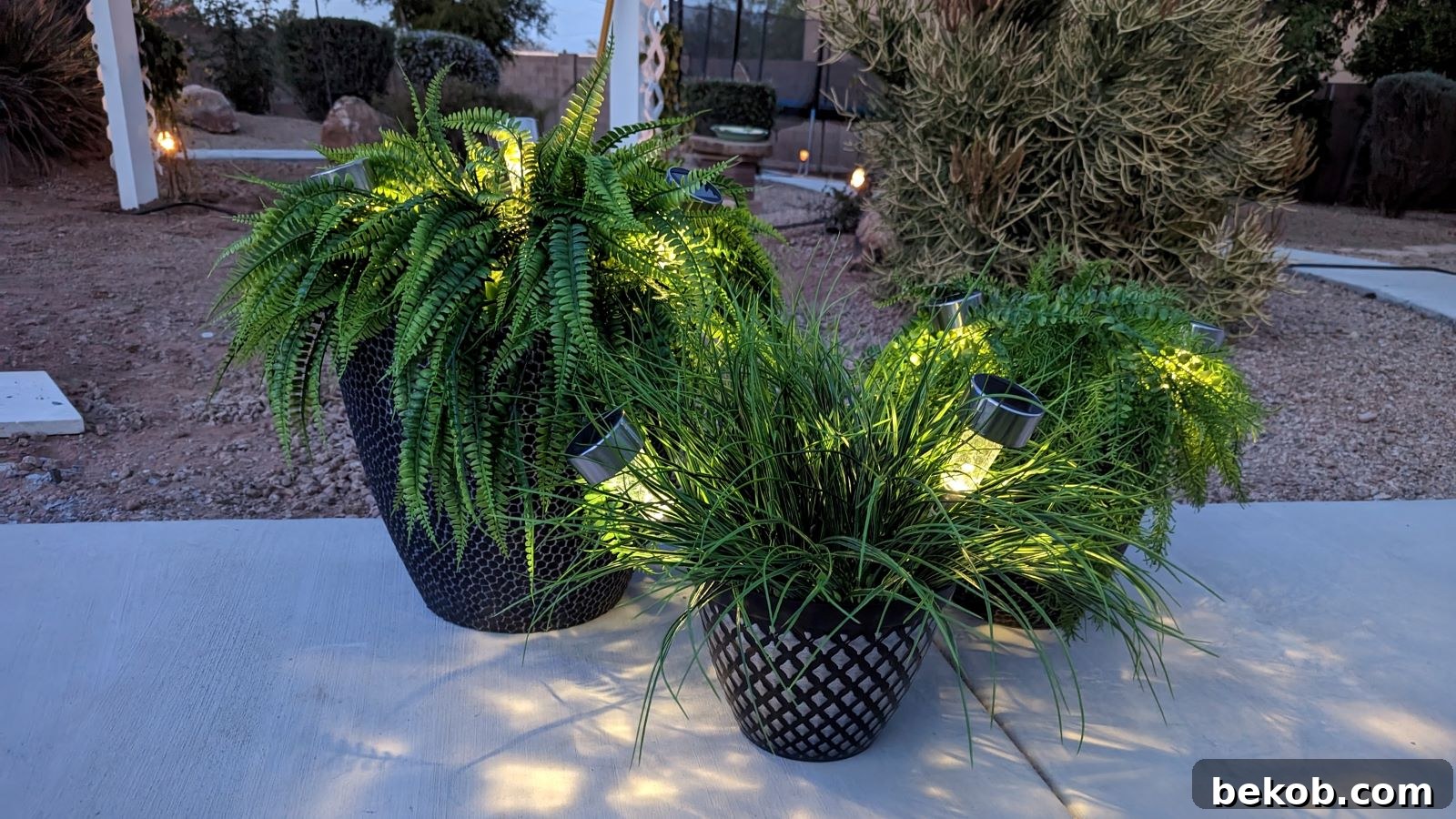
For those outdoor spaces where watering real plants is a challenge, consider making these fantastic artificial plants to add beauty and charm without the upkeep.
Tutorial DIY Artificial Plants for Outdoors