
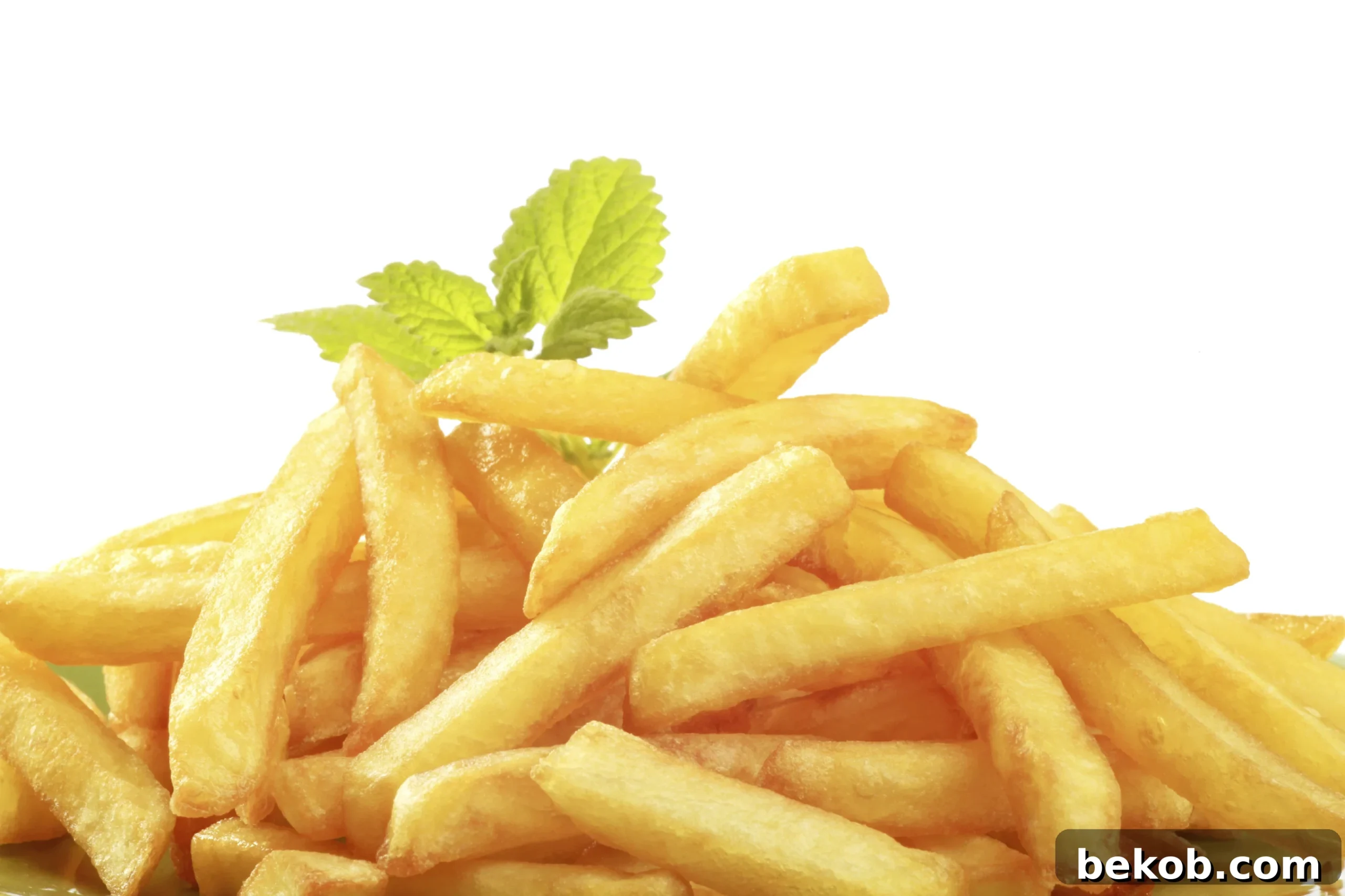
For many, a generous plate of golden, crispy french fries represents the ultimate indulgence, a quintessential comfort food that’s hard to resist. The irresistible combination of salty, savory, and perfectly fried goodness makes it a global favorite. However, this beloved guilty pleasure often comes with a side of remorse, as traditional deep-fried potato fries are notorious for their high calorie and unhealthy fat content. Frequent indulgence can lead to unwanted weight gain and offers minimal nutritional value, given that standard potatoes, when deep-fried, contribute little to overall health.
But what if we told you that you could enjoy the satisfying crunch and flavor of fries without the guilt? The good news is that the culinary world is brimming with alternative vegetables that can be transformed into incredibly delicious, nutrient-packed fries. These healthy alternatives not only satisfy your craving for something savory and crispy but also significantly boost your intake of vitamins, minerals, and fiber. They open up a world of flavor possibilities, moving beyond the humble potato to explore a vibrant spectrum of tastes and textures. From vibrant root vegetables to crunchy tubers, preparing these “healthy fries” allows you to savor every bite, knowing you’re making a better choice for your body.
Embracing these wholesome alternatives means you no longer have to skip the fries with your burger or your favorite sandwich. Instead, you can elevate your meal with sides that are both delicious and genuinely good for you. This guide will introduce you to five fantastic vegetable options that can be easily turned into scrumptious, healthy fries right in your own kitchen. Get ready to redefine your understanding of “fries” and discover new favorites that will delight your taste buds and support your well-being.
The beauty of making healthy vegetable fries lies in their straightforward preparation, making them accessible even for novice cooks. The method is largely consistent across most starchy vegetables, focusing on oven-baking or air-frying to achieve that desired crispiness without the excessive oil of deep-frying. This simple process locks in nutrients while delivering a satisfying texture that rivals traditional fries.
To begin, select your chosen vegetable from the list below and wash it thoroughly. The key to evenly cooked, perfectly crispy fries is consistent cutting. Aim to slice your vegetable into thin, uniform strips – roughly a quarter-inch thick and about three to four inches long. This ensures that every piece cooks at the same rate, preventing some from becoming overcooked while others remain raw. For harder vegetables, a sharp chef’s knife or even a mandoline slicer (with caution!) can make this task easier and more precise.
Once your vegetables are prepped, transfer them to a large mixing bowl. This is where the magic happens with healthy oils and seasonings. Drizzle a healthy oil over the strips. Olive oil is a consistently excellent choice, celebrated for its heart-healthy monounsaturated fats and subtle flavor. Other fantastic options include avocado oil, which boasts a high smoke point and neutral taste, or even a touch of melted coconut oil for certain root vegetables where its hint of sweetness can complement the flavor profile. The goal is to lightly coat each strip, ensuring an even distribution without making them greasy. Toss gently to coat every piece.
Next, it’s time to infuse your fries with flavor through seasonings. This is where personal preference truly shines. For a classic, savory profile, a simple combination of sea salt, freshly ground black pepper, and garlic powder is always a winner. If you crave a little heat, a dash of chili powder or smoked paprika can add a delightful kick. For an earthy depth, a pinch of cumin or a sprinkle of dried oregano works wonders. Don’t be afraid to experiment with your favorite herbs and spices – rosemary and thyme pair beautifully with many root vegetables, while a touch of onion powder can enhance almost any savory fry. Mix again thoroughly to ensure all fries are evenly seasoned.
Preheat your oven to 375 degrees Fahrenheit (190 degrees Celsius). While it heats, line a large baking sheet with parchment paper to prevent sticking and aid in easy cleanup. Spread your seasoned vegetable strips in a single layer on the prepared baking sheet, ensuring they are not overcrowded. Overcrowding can lead to steaming rather than baking, resulting in soggy fries. If necessary, use two baking sheets to give the fries ample space. Bake for approximately 15-30 minutes, with harder vegetables often requiring closer to the 30-minute mark. About halfway through the cooking time, give the fries a good toss or flip them with a spatula. This ensures all sides get exposed to the heat, promoting even cooking and consistent crispiness. You’ll know they’re ready when they’re beautifully tender on the inside, wonderfully crisp on the outside, and their aroma fills your kitchen, making your mouth water. Carefully remove them from the oven and serve immediately. These healthy, homemade fries are best enjoyed fresh from the oven, offering a delightful crunch and robust flavor that will make you forget about their deep-fried counterparts. Try all five healthy vegetable fries and discover your new favorite guilt-free indulgence!
Curious about how to get the freshest produce for your healthy fry creations? Learning when vegetables are in season can significantly enhance their flavor and nutritional value. For useful information on eating with the seasons, click here to ensure you’re always selecting the best ingredients.
1. Sweet Potato Fries: A Nutrient-Packed Classic
Sweet potato fries have rightfully earned their place as the most popular and widely accepted alternative to traditional potato fries. Their vibrant orange hue hints at the abundance of beta-carotene, an antioxidant that converts to Vitamin A in the body, essential for vision, immune function, and skin health. Beyond their striking color, sweet potatoes are a fantastic source of fiber, Vitamin C, and manganese, offering a nutritional profile that white potatoes can’t match. When baked, the natural sugars in sweet potatoes caramelize, giving them a delightful sweetness that contrasts beautifully with savory seasonings. This unique flavor balance makes them incredibly versatile and appealing to a broad audience, including even the pickiest eaters and children who often adore their inherent sweetness. To prepare, simply peel (or leave the skin on for extra fiber and rustic appeal), cut into uniform strips, and toss with olive oil, salt, pepper, and a touch of smoked paprika or chili powder for a savory kick. For a sweeter twist, a sprinkle of cinnamon or nutmeg before baking can elevate them into a dessert-like treat. Serve them alongside grilled chicken, fish, or your favorite veggie burger for a wholesome and satisfying meal.
2. Parsnip Fries: Earthy Elegance and Crisp Perfection
Often overlooked, parsnips are a truly underrated root vegetable that deserve a starring role in your healthy fry rotation. Resembling stout, cream-colored carrots, parsnips offer a unique flavor profile that sits somewhere between the earthiness of a potato and the subtle sweetness of a carrot, with a slightly nutty undertone. Nutritionally, parsnips are a good source of fiber, Vitamin C, Vitamin K, and folate, contributing to digestive health and overall well-being. When baked, their starchy interior transforms into a creamy softness, while the exterior crisps up beautifully, creating that ideal french fry texture. They possess a natural sweetness that intensifies upon roasting, making them exceptionally flavorful. For preparation, peel the parsnips and cut them into even strips. Many culinary enthusiasts find that rosemary is the parsnip’s perfect companion, enhancing its earthy notes. Toss with olive oil, salt, pepper, and a generous sprinkle of fresh or dried rosemary before baking. They make an elegant and wholesome side dish for roasted meats, stews, or a hearty vegetarian spread, offering a sophisticated twist to the humble fry.
3. Carrot Fries: Sweet Simplicity and Vibrant Nutrition
Yes, your childhood favorite vegetable can be cleverly disguised as a delicious and healthy fry! Carrots are renowned for their exceptional beta-carotene content, essential for eye health, and are also packed with fiber, Vitamin K1, potassium, and antioxidants. Transforming them into fries is not only incredibly simple but also a fantastic way to boost your vegetable intake. While you can certainly cut regular carrots into strips, a brilliant hack for ultimate convenience is to use baby carrots. Simply halve them lengthwise, and they are instantly fry-ready, saving you valuable prep time. This method is incredibly easy and yields perfectly sized, bite-sized fries. The natural sweetness of carrots becomes wonderfully concentrated and slightly caramelized during baking, resulting in a delightfully sweet and savory fry. A light coating of olive oil, salt, and pepper is often all they need to shine. For an added layer of flavor, consider a pinch of ginger powder or a touch of honey for a truly unique taste experience. Carrot fries are especially appealing to children, making them a wonderful way to introduce more vegetables into their diet. They pair wonderfully with almost any meal, from sandwiches to roasted chicken, offering a colorful and nutritious crunch.
4. Rutabaga Fries: Hearty, Savory, and Surprisingly Delicious
Don’t let the somewhat rugged appearance of rutabagas deter you from exploring this fantastic root vegetable. Often overlooked in the produce aisle, rutabagas are a hybrid of cabbage and turnip, offering a unique flavor profile that is milder and sweeter than a turnip, with a pleasant, earthy starchiness. They are a treasure trove of Vitamin C, fiber, potassium, and manganese, making them an excellent choice for a nutritious side. When you peel away their knobby, purple-tinged skin, you’ll discover a crisp, juicy, pale yellow flesh ready for transformation. Rutabagas truly shine when baked, developing a savory depth and satisfyingly starchy texture that perfectly satisfies cravings for traditional fries. They become tender on the inside with a lovely exterior crisp. To prepare, peel thoroughly, then cut into uniform fry shapes. They stand up well to robust seasonings; try tossing them with olive oil, salt, black pepper, garlic powder, and a hint of smoked paprika. Rutabaga fries are particularly satisfying as a hearty accompaniment to rich meat dishes, stews, or as a standalone snack. Their substantial texture and savory flavor make them an excellent choice for those seeking a more robust and filling alternative to potato fries.
5. Jicama Root Fries: Crisp, Refreshing, and Quick to Cook
The jicama (pronounced HICK-uh-mah) root is a culinary gem that often goes unnoticed, but it’s an absolute game-changer for healthy fries. This round, starchy root vegetable has a thin, brownish skin and a wonderfully crisp, white flesh reminiscent of an apple or a water chestnut in texture. It’s unique for being delicious even when eaten raw, offering a subtly sweet and nutty flavor profile. Nutritionally, jicama is exceptionally low in calories and boasts a high fiber content, making it incredibly satisfying. It’s also a good source of Vitamin C and potassium. When baked into fries, jicama retains a pleasant crunchiness while softening slightly, making for a refreshingly different fry experience. What truly sets jicama fries apart is their quick cooking time, making them an ideal choice for a fast, healthy lunch or a speedy weeknight side. Peel the jicama thoroughly, then cut it into your desired fry shape. A fantastic tip for jicama fries is to squeeze fresh lemon juice over them before tossing with olive oil, salt, and pepper. The lemon brightens their natural flavor and adds a delightful zest. For a spicy kick, a dash of cayenne pepper or chili powder works wonderfully. Due to their lighter texture and mild flavor, jicama fries pair well with lighter meals such as fish tacos, grilled seafood, or vibrant salads. They offer a unique, healthy alternative that’s both invigorating and satisfying, proving that healthy eating can be incredibly diverse and delicious.