
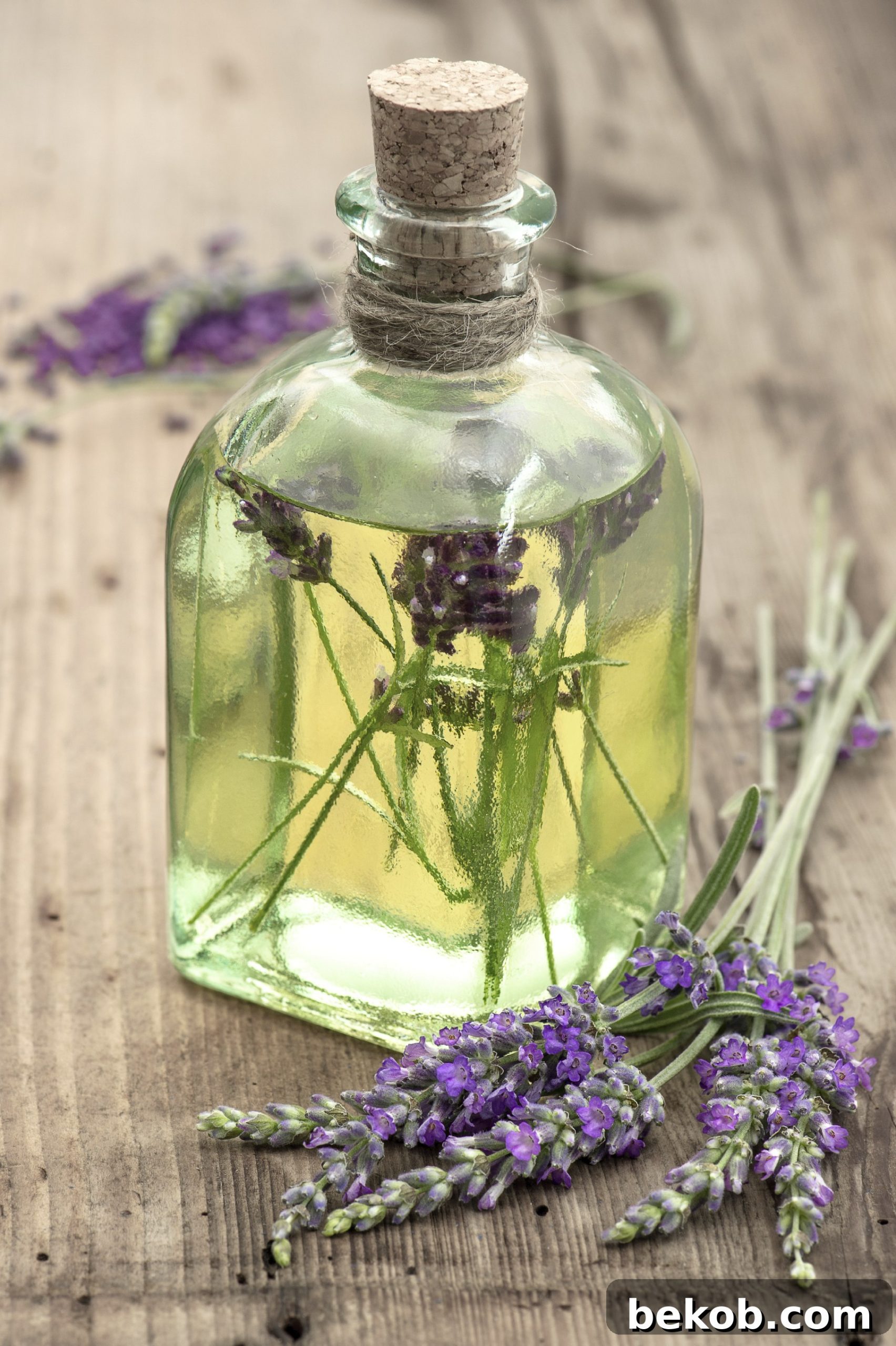
Unlock Nature’s Pharmacy: 12 Essential First Aid Uses for Lavender Essential Oil
Lavender essential oil is celebrated globally for its calming and soothing aroma, often diffusing through homes and spas to promote relaxation and restful sleep. However, its benefits extend far beyond aromatherapy. This remarkable oil, extracted from the vibrant lavender plant, is a powerhouse of therapeutic properties that make it an indispensable asset for any home first aid kit. Rich in anti-inflammatory, antiseptic, analgesic, and regenerative compounds, lavender essential oil can be your go-to natural remedy for a myriad of everyday skin injuries and discomforts.
From minor burns and pesky insect bites to cuts, bruises, and even common skin irritations, lavender oil offers a gentle yet effective solution. Its versatility and gentle nature make it suitable for various applications, proving itself as a true multi-tasker in the world of natural healing. Prepare to be amazed as we explore 12 compelling ways lavender essential oil can help you manage minor health concerns, often reducing pain, preventing infection, and accelerating healing.
Why Lavender Essential Oil is a First Aid Must-Have
Before diving into specific applications, it’s important to understand the core properties that make lavender oil so effective:
- Analgesic: Helps to relieve pain.
- Anti-inflammatory: Reduces swelling and redness.
- Antiseptic/Antibacterial: Cleans wounds and helps prevent infection.
- Cicatrisant: Promotes wound healing and reduces scarring.
- Calming/Sedative: Offers comfort, especially beneficial for children or those in distress from injury.
1. Soothe Minor Burns
Accidental contact with a hot pan, an oven rack, or even too much sun can result in painful burns. Lavender essential oil is renowned for its immediate soothing effect on minor burns. Its potent anti-inflammatory properties help to reduce redness and swelling, while its analgesic compounds provide quick relief from pain. Additionally, lavender oil aids in tissue regeneration, potentially minimizing blister formation and scarring.
Application: For minor burns, gently apply two to three drops of pure lavender essential oil directly to the affected area immediately after the burn occurs. Repeat this application periodically throughout the day as needed. For more extensive minor burns, you might dilute the lavender oil with a carrier oil like fractionated coconut oil or aloe vera gel before applying.
2. Clean and Heal Minor Cuts and Scrapes
Everyday cuts and scrapes are inevitable, and keeping them clean to prevent infection is crucial. Lavender essential oil’s natural antiseptic and antibacterial qualities make it an excellent choice for wound care. It not only helps to sterilize the wound but also encourages faster healing and can even aid in stopping minor bleeding due to its hemostatic properties.
Application: After thoroughly cleaning the wound with water and mild soap, apply a drop or two of lavender essential oil directly to the cut or scrape. You can then cover it with a sterile bandage. Repeat daily until the wound begins to heal. For sensitive skin or larger abrasions, consider diluting with a carrier oil before application.
3. Reduce Pain and Discoloration from Bruises
Bumps and falls often lead to unsightly and sometimes painful bruises. Lavender essential oil can significantly aid in the healing process of bruises. Its anti-inflammatory properties work to reduce swelling and improve circulation, which can help dissipate the trapped blood causing the discoloration. The calming aroma can also be comforting, especially when dealing with a child’s distress from an injury.
Application: Gently rub one or two drops of lavender essential oil onto the bruised area several times a day. For enhanced benefit, you can mix it with a small amount of arnica oil or a carrier oil like almond or jojoba before application. Regular application can help to speed up the fading of the bruise and alleviate discomfort.
4. Combat Diaper Rashes
Diaper rash is a common woe for infants, causing discomfort and irritation. Lavender essential oil, when properly diluted, can be a gentle yet effective remedy. Its soothing, anti-inflammatory, and mild antiseptic properties help to calm the irritated skin, reduce redness, and fight off potential bacterial or yeast overgrowth that often accompanies diaper rash.
Application: Create a soothing diaper rash cream by mixing one drop of pure lavender essential oil with a scoop (about a teaspoon) of coconut oil or a fragrance-free natural diaper cream. Apply a thin layer to your baby’s clean, dry bottom with each diaper change. Always perform a patch test on a small area first to ensure no sensitivity. The gentle aroma can also have a calming effect on your little one.
5. Relieve Painful Sunburns
Overexposure to the sun can lead to painful sunburns, characterized by red, hot, and tender skin. Lavender essential oil provides significant relief due to its powerful anti-inflammatory and cooling properties. It helps to reduce the heat and redness associated with sunburn, while its pain-relieving qualities alleviate discomfort, promoting a faster and more comfortable recovery.
Application: There are two effective ways to use lavender for sunburns:
- Oil Blend: Mix 5-10 drops of lavender essential oil with two tablespoons of aloe vera gel or a carrier oil like coconut or jojoba oil. Gently apply this blend to the sunburned areas.
- Cooling Spray: Fill a glass spray bottle with distilled water and add 10-15 drops of lavender essential oil. Shake well before each use and mist generously over the affected skin for instant cooling and pain relief. Store in the refrigerator for an extra refreshing sensation.
6. Soothe Sunburned and Chapped Lips
Just like skin, lips can suffer from sun exposure, becoming dry, chapped, or even sunburned. Lavender essential oil can be an excellent ingredient in homemade lip balms to provide soothing relief and promote healing for delicate lip skin. Its moisturizing and regenerative properties help to restore comfort and prevent further cracking.
Application: Incorporate a few drops of lavender essential oil into your favorite homemade lip balm recipe, or simply mix a drop with a small amount of shea butter or coconut oil and apply it gently to your lips. This natural balm will help to soothe, hydrate, and protect your lips from environmental stressors.
7. Alleviate Muscle and Menstrual Cramps
Whether it’s monthly menstrual cramps, post-workout muscle soreness, or general muscle tension, cramps can be debilitating. Lavender essential oil acts as a natural antispasmodic, meaning it can help to relax tense muscles and reduce involuntary spasms. Its pain-relieving and anti-inflammatory properties further contribute to easing discomfort.
Application: Combine 5-7 drops of lavender essential oil with a tablespoon of a warming carrier oil such as coconut or sweet almond oil. Massage this blend vigorously into the affected area (lower abdomen for menstrual cramps, or directly onto sore muscles). For enhanced relief, follow with a warm compress over the massaged area. The warmth helps the oil penetrate deeper and further relaxes the muscles.
8. Comfort During High Temperatures (Fevers)
While not a direct fever reducer in the medical sense, lavender essential oil can provide significant comfort and help soothe individuals, especially children, experiencing a mild fever. Its calming properties can help to relax the body and mind, while its mild cooling effect can offer a sense of relief from discomfort often associated with elevated body temperatures. Always consult a medical professional for persistent or high fevers.
Application: Dilute 2-3 drops of lavender essential oil with a teaspoon of carrier oil (like coconut or olive oil). Gently rub this mixture onto the bottoms of the feet and behind the ears or on the back of the neck. For children, ensure proper dilution and avoid applying to very sensitive areas. This method is primarily for comfort and relaxation.
9. Ease Ear Pain (External Use Only)
Ear pain can be excruciating, often stemming from infections, inflammation, or pressure changes. While it’s crucial never to put essential oils directly into the ear canal, lavender essential oil can provide relief when applied externally. Its anti-inflammatory and analgesic properties can help reduce pain and discomfort around the ear area.
Application: Mix 2-3 drops of lavender essential oil with a teaspoon of a carrier oil like olive or almond oil. Gently apply this diluted mixture around the outside of the ear, behind the earlobe, and down the neck in front of the ear. Repeat as needed. Always seek medical advice for persistent ear pain, especially if accompanied by fever or discharge.
10. Soothe Insect Bites and Stings
Mosquito bites, bee stings, and other insect encounters can leave behind itchy, swollen, and painful marks. Lavender essential oil is a fantastic natural remedy for these nuisances. Its anti-inflammatory action quickly reduces swelling and redness, while its analgesic compounds alleviate pain and itching. It also has mild antihistamine-like properties that can minimize the body’s reaction to the bite or sting.
Application: Apply one to two drops of pure lavender essential oil directly to the insect bite or sting. Reapply every 15-30 minutes as needed until the discomfort subsides. For sensitive skin or multiple bites, dilute with a carrier oil. This can offer rapid relief from itching and irritation.
11. Relieve Dry, Itchy Skin
Dry, itchy skin, whether from environmental factors, allergies, or conditions like eczema, can be incredibly uncomfortable. Lavender essential oil’s soothing and anti-inflammatory properties, combined with its ability to promote healthy skin, make it an excellent choice for relieving persistent itchiness. When blended with nourishing carrier oils, it also provides deep hydration.
Application: Create a moisturizing and anti-itch blend by mixing 5-10 drops of lavender essential oil with two tablespoons of deeply hydrating coconut oil, olive oil, or shea butter. Massage this luxurious mixture onto the dry, itchy areas of your skin after a shower or bath. The combination will help to soothe irritation, reduce inflammation, and restore skin’s moisture barrier.
12. Aid in Treating Cold Sores
Cold sores, caused by the herpes simplex virus, can be painful, unsightly, and slow to heal. While research is ongoing, lavender essential oil is thought to possess antiviral properties that may help in managing cold sores. Its ability to reduce inflammation and discomfort, alongside its potential to accelerate skin healing, makes it a beneficial natural aid.
Application: At the first sign of a tingling sensation, dilute one drop of lavender essential oil with 3-4 drops of a carrier oil (such as jojoba or almond oil). Gently dab this mixture onto the cold sore using a clean cotton swab. Repeat several times a day to help reduce discomfort, minimize the sore’s appearance, and potentially speed up the healing process. Avoid direct contact with eyes.
Important Safety Considerations for Using Essential Oils
While lavender essential oil is generally considered safe for topical use, it’s vital to follow best practices to ensure a positive experience:
- Always Dilute: For most applications, especially on children or individuals with sensitive skin, always dilute lavender essential oil with a carrier oil (like coconut, jojoba, almond, or olive oil). A general guideline is 1-2 drops of essential oil per teaspoon of carrier oil.
- Perform a Patch Test: Before applying to a larger area, test a small, inconspicuous patch of skin with the diluted oil to check for any adverse reactions.
- Quality Matters: Use only high-quality, pure, therapeutic-grade essential oils from reputable sources to ensure effectiveness and safety.
- External Use Only: Essential oils are potent and generally not recommended for internal consumption unless under the direct guidance of a qualified healthcare professional or certified aromatherapist.
- Avoid Sensitive Areas: Keep essential oils away from eyes, inner ears, and other mucous membranes.
- Consult a Professional: If you are pregnant, nursing, have a medical condition, or are on medication, consult with your doctor or a qualified aromatherapist before using essential oils.
- Storage: Store essential oils in dark glass bottles in a cool, dark place to maintain their potency and extend their shelf life.
Embrace the Power of Nature with Lavender Essential Oil
It’s truly remarkable how a single essential oil like lavender can offer such a diverse range of benefits, making it an indispensable component of any modern home first aid kit. Its soothing, antiseptic, and healing properties provide natural, effective relief for numerous common ailments and minor injuries, from soothing burns and cuts to calming muscle cramps and insect bites.
By understanding and responsibly utilizing the power of lavender essential oil, you can embrace a more holistic approach to everyday health and wellness. This versatile oil not only supports physical healing but also provides a sense of calm and comfort through its delightful aroma. Make space for this amazing natural remedy in your home, and discover the gentle yet potent healing touch of lavender.