
In a world constantly seeking balance, a transformative design philosophy has emerged, offering not just aesthetic appeal but a profound sense of well-being: the Tender Living Trend. This movement champions the creation of spaces that are not only beautiful and functional but also deeply sustainable, inviting, and peaceful, embodying care and compassion for both occupants and the planet. It’s about crafting a dream retreat, a sanctuary where modern design principles gracefully intertwine with the timeless embrace of nature.
For more inspiration on creating your ideal living spaces, you might also be interested in exploring 25 Patterned Floor Tiles Ideas, learning How to Tile with Moroccan Fish Scale Tiles, or discovering a One-Day Bathroom Makeover: From Pink Tub to White Subway Tile Look.
When we discuss home trends, our minds often gravitate towards fleeting décor items, stylistic palettes, or dramatic room overhauls. However, the Tender Living Trend transcends superficial aesthetics, delving into something far more essential: fostering care, comfort, and compassion within our personal environments, especially after a few years that have challenged our collective sense of security and peace. It’s a response to a global shift, a yearning for homes that truly nurture our souls.
Embracing the Essence of Tender Living: A New Philosophy for Home Design
Tender Living is more than just a trend; it’s a holistic approach to design that prioritizes creating spaces that feel inherently inviting, tranquil, and deeply connected to well-being. Its foundation rests upon three core pillars: livability, sustainability, and thoughtful modern design. In recent times, many of us have experienced a forced pause in our fast-paced lives. This invaluable time for introspection has allowed us to reassess what truly matters and what no longer serves us. We’ve begun to ask critical questions about our living spaces: What elements can we eliminate that don’t contribute positively to our home or schedule? More importantly, what actively promotes our physical and mental well-being?
As we’ve found ourselves cocooned within our homes, there’s been an amplified desire for comfort, serenity, and a deeper, more meaningful connection to the natural world. This profound yearning for nature within our built environments is articulated through the concept of Biophilic Design. As defined, Biophilic design is “a concept used within the building industry to increase occupant connectivity to the natural environment through the use of direct nature, indirect nature, and space and place conditions.” This design philosophy consciously integrates elements of the natural world – whether through natural light, ventilation, plant life, organic materials, or expansive views – to enhance human health and well-being. It recognizes our innate need to connect with nature, bringing its restorative qualities indoors.
Pinhoti Peak: A Masterpiece of Tender Living by Chip Wade
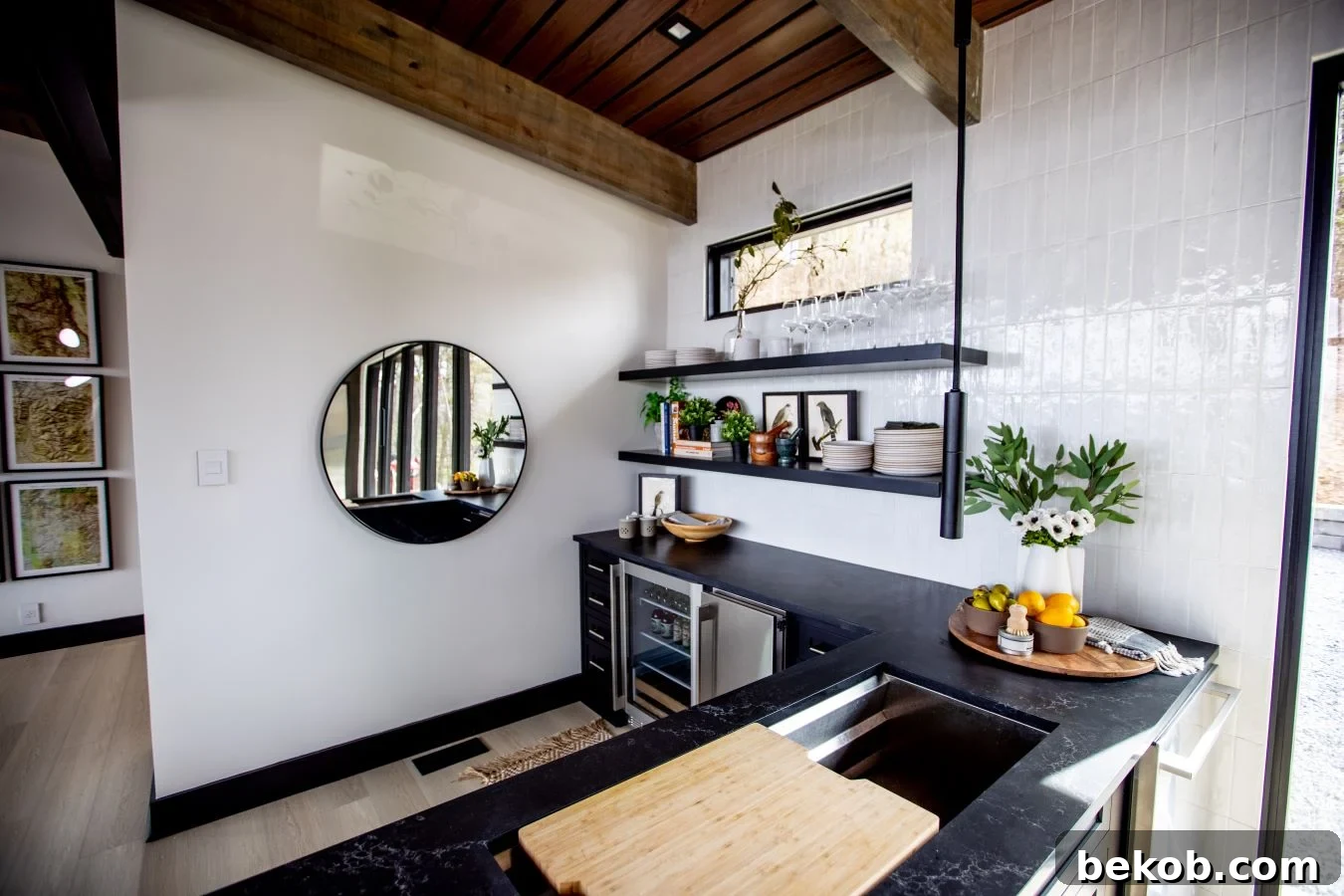
A prime example of the Tender Living Trend brought to life is “Pinhoti Peak,” the ultimate show home designed and built by the renowned Chip Wade of Wade Works Creative. Nestled amidst the majestic North Georgia mountains, this year-long design and build project stands as a testament to thoughtful, sustainable, and utterly comfortable living. Pinhoti Peak is not merely a house; it’s a meticulously crafted sanctuary that embodies every principle of this emerging design philosophy.
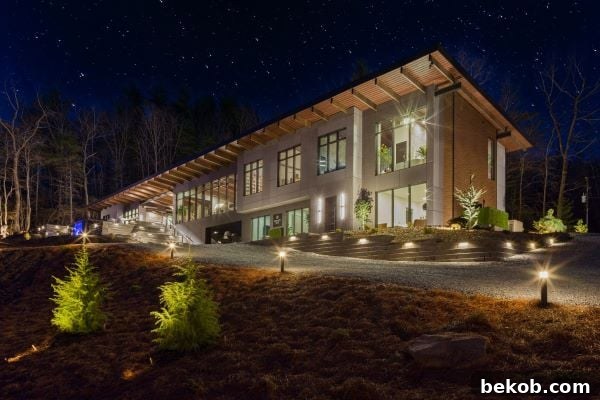
Reflecting on his vision for Pinhoti Peak, Wade shared, “The interior of Pinhoti Peak rests in the soothing vibe of today’s Tender Living design trend. I used warm, natural materials, like wood, ceramics, and stone, to create a cozy atmosphere — and we incorporated lots of soft textures such as pillows, blankets, and rugs to make the space feel comfortable and welcoming.” This deliberate selection of materials and textiles creates an immediate sense of warmth and invitation, encouraging relaxation and a deeper connection to the home’s intrinsic character. Every element, from the tactile sensation of a ceramic surface to the visual comfort of a plush rug, contributes to an overarching feeling of peace and belonging.
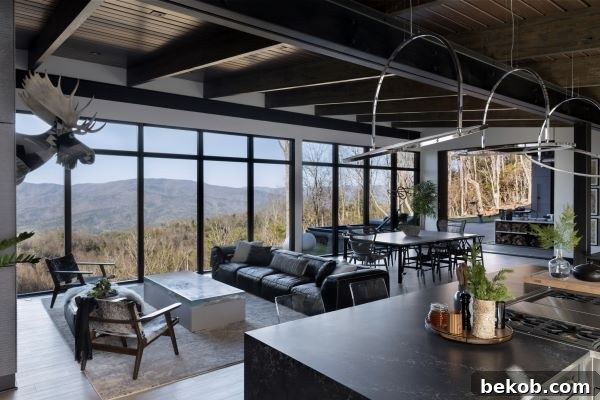
One of the most striking features of Pinhoti Peak, and a cornerstone of Biophilic design, is the abundance of wide-open views. These expansive vistas seamlessly connect the indoor living spaces with the breathtaking natural landscape outside. The large windows and thoughtful architectural placement ensure that residents feel immersed in the surrounding mountains, even when comfortably indoors. This constant visual access to nature not only enhances the aesthetic appeal but also significantly contributes to a sense of calm and mental restoration, reducing stress and improving overall mood. It’s a constant reminder of the beauty and tranquility that lies just beyond the walls, blurring the lines between the built environment and the wilderness.
The Foundation of Sustainability: High-Quality, Low-Maintenance Materials
Beyond aesthetics and comfort, sustainability and durability were paramount in Wade’s design philosophy for Pinhoti Peak. “In creating Pinhoti Peak, I wanted to check all of the boxes with the materials I selected: beautiful, sustainable, and virtually maintenance-free,” Wade explained. “I achieved all three of these objectives with the kitchen and bathroom tiles and countertops selected. I am a big fan of putting high-quality products in high-wear areas like bathrooms and kitchens. Daltile is a product I return to time and time again.” This commitment to enduring quality aligns perfectly with the Tender Living ethos, promoting longevity and reducing environmental impact through conscious material choices. By opting for durable, high-performance materials, the home remains beautiful and functional for years to come, minimizing the need for frequent replacements or intensive upkeep.
Tile: A Cornerstone of Practical Elegance in Tender Living
Let’s delve deeper into the strategic use of tile in Pinhoti Peak, a material that brilliantly marries beauty with resilience and sustainability.
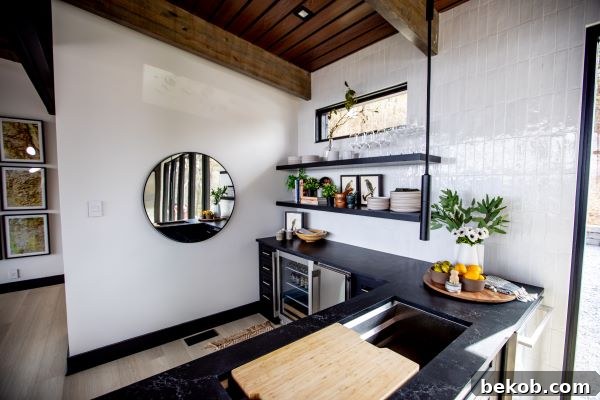
The kitchen, a heart of any home, showcases an innovative design that is both striking and harmonious. Laura Grilli, Director of Product Design for Dal-Tile LLC, elaborated on its distinct character: “The kitchen subliminally brings in a black and white color blocking between countertop and accent tile wall that effectively melds with the adjacent living areas’ shapes and designs of Native American touches. The butler’s pantry intriguingly adds in the modern touch of gold accents while staying true to cultural patterns.” This thoughtful integration of contrasting colors and subtle cultural influences creates a space that is dynamic yet deeply rooted, reflecting the rich tapestry of the surrounding region and adding layers of depth to the design narrative.
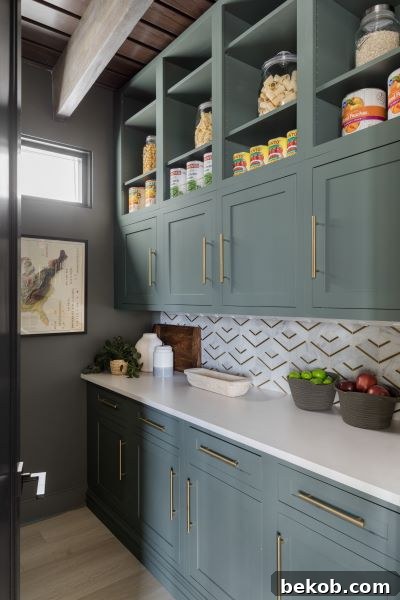
Laura further observed, “Chip infuses the overall comfort of the Tender Living aesthetic with just the right amount of ‘relaxed elegance’.” This phrase perfectly encapsulates the delicate balance achieved in Pinhoti Peak – a home that feels luxurious without being ostentatious, sophisticated yet utterly welcoming. It’s an elegance that doesn’t demand formality but rather invites a deep sense of ease and authentic living, perfectly aligning with the unpretentious comfort that Tender Living advocates.
Sanctuaries of Serenity: Bathroom Designs in Tender Living
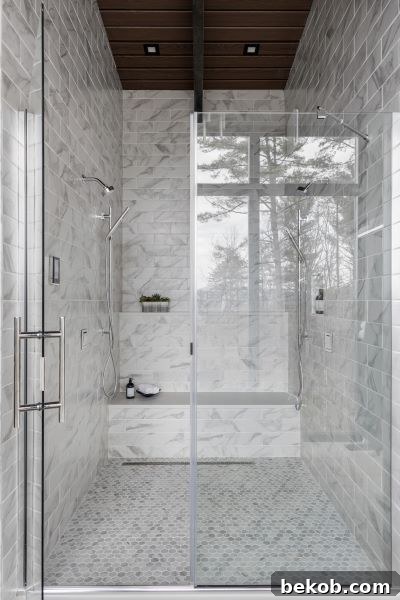
While the panoramic view might be just out of frame, it’s impossible not to be captivated by the sheer elegance and calming presence of the primary bathroom’s shower. This space, indeed, encapsulates the very essence of the Tender Living trend. From the immediate feeling of comfort it exudes to its seamless connection to nature, every detail speaks volumes. The use of natural materials, combined with a simple, serene palette, transforms this functional space into a genuine sanctuary. It’s a place designed not just for daily routines but for moments of quiet reflection and rejuvenation.
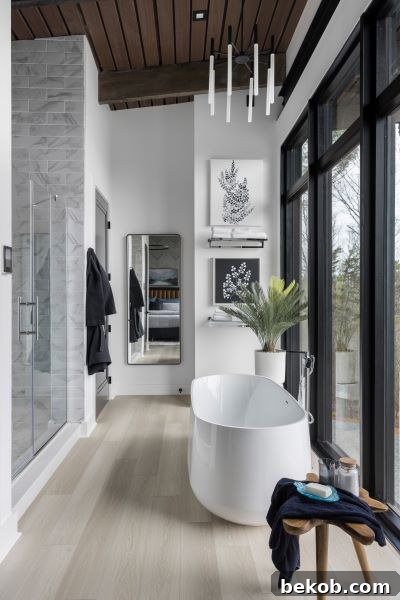
This primary bathroom truly embraces the expansive vistas, allowing residents to indulge in a luxurious bath or invigorating shower while gazing out over the breathtaking valley. It’s an experience designed to soothe the senses and provide an unparalleled connection to the natural world, reinforcing the Biophilic principles at the heart of Tender Living. The thoughtful placement of the fixtures ensures that these moments are both private and profoundly immersive.
Color Palettes and Material Choices for Tender Living
So, what colors perfectly complement this tranquil trend? Chip Wade advises, “Greys, greens, sage tones, even eggshell textural touches throughout nod to a Biophilic and Scandinavian Minimalism that is undeniably comfortable. We also used porcelain, ceramic, and glass tile throughout the spaces to add a touch of elegance and durability.” These gentle, earth-inspired hues create a foundation for calm, fostering a sense of groundedness and peace. They are colors found in nature, inherently soothing and timeless, ensuring the spaces remain inviting year after year.
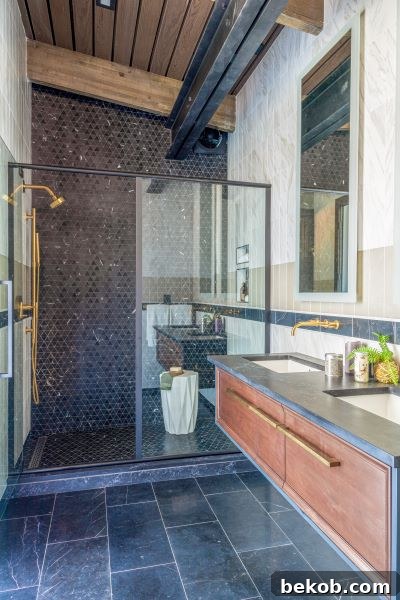
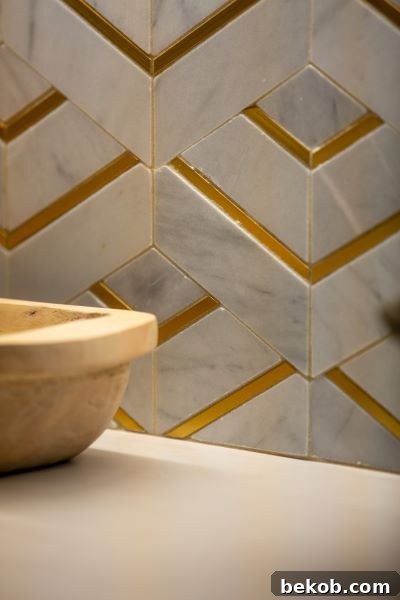
The accessory dwelling unit (ADU) bathroom, often a guest house or secondary living space, continues the theme of understated luxury. Laura Grilli highlights the sophisticated details: “The look of raw marble in popular triangular shapes in the ADU bathroom is joined by the juxtaposition of matte and glossy finishes for added visual texture in the master bath tiles.” This interplay of textures and finishes adds a subtle layer of sophistication and visual interest without overwhelming the serene atmosphere. It’s a testament to how meticulous detailing can elevate a space, creating a rich sensory experience that remains true to the Tender Living aesthetic.
Incorporating Tender Living into Your Home
The Tender Living Trend offers a refreshing alternative to transient fads, advocating for homes that truly serve as havens for our well-being. It encourages a mindful approach to design, where every choice—from materials to color palettes—contributes to an atmosphere of comfort, sustainability, and profound connection to nature. This trend isn’t about rigid rules; it’s about listening to what brings you peace and integrating those elements thoughtfully into your daily environment.
To infuse your space with the Tender Living aesthetic, consider these actionable steps:
- Embrace Natural Materials: Opt for wood, stone, ceramic, and natural fibers like cotton, linen, and wool. These materials introduce warmth, texture, and a tangible connection to the earth.
- Cultivate Biophilic Elements: Bring the outdoors in with abundant houseplants, fresh flowers, and natural light. Maximize views of nature, or create a soothing natural vignette if views are limited.
- Prioritize Comfort and Softness: Layer soft textures with plush rugs, cozy throws, and comfortable pillows. Design seating areas that invite relaxation and conversation.
- Choose Calming Color Palettes: Stick to serene hues like soft greys, gentle greens, warm beiges, and subtle blues. These colors promote tranquility and reduce visual clutter.
- Minimize Clutter and Promote Flow: A decluttered space reduces mental stress. Focus on essential items that bring joy or serve a clear purpose, allowing for easy movement and a sense of openness.
- Integrate Sustainable Choices: Beyond materials, think about energy-efficient appliances, water-saving fixtures, and products with a low environmental footprint.
- Personalize with Meaningful Objects: Surround yourself with items that hold sentimental value or evoke positive memories, adding a personal touch that enhances emotional comfort.
If you’re inspired to explore the specific, high-quality products used in this remarkable project, be sure to check out Daltile’s curated selection for Pinhoti Peak. Their range of sustainable and beautiful tiles can provide the perfect foundation for your own Tender Living transformation.
What are your thoughts on the Tender Living trend? How do you envision integrating its principles of comfort, connection, and sustainability into your own home to create your ultimate sanctuary?