

Hello there, financially savvy readers and future urban explorers! If you’re pondering a significant life change, such as relocating to one of the vibrant cities across the United States, or simply curious about the financial realities of different metropolitan areas, you’ve landed on the perfect resource. Understanding the cost of living is paramount to making informed decisions, ensuring a comfortable lifestyle, and thriving in your chosen environment.
Today, we’re embarking on a comprehensive financial journey through 12 popular and dynamic US cities. Our aim is to provide you with a clearer picture of the financial commitment required to comfortably call these diverse urban hotspots home. We’ll delve beyond just rent, exploring various aspects of daily expenses, from transportation and utilities to groceries and leisure. So, prepare to gain valuable insights as we analyze what it truly takes to live well in each of these distinctive American cities.
12. New York City, NY: The Pinnacle of Urban Expenses

New York City, a global epicenter of culture, finance, and opportunity, famously comes with a hefty price tag. Its unparalleled vibrancy and endless possibilities are balanced by some of the nation’s highest living costs. Housing, in particular, is a dominant factor, with average rents for even modest apartments reaching astronomical figures, especially in Manhattan and popular Brooklyn neighborhoods. Beyond rent, daily expenses like groceries, transportation (despite an excellent subway system, fares add up), dining out, and entertainment are significantly elevated. To truly thrive and enjoy the Big Apple’s offerings without constant financial strain, residents typically require a substantial income, often well above the national average, to cover these sky-high expenditures and maintain a comfortable quality of life.
11. San Francisco, CA: The Tech Hub’s High Price

Nestled in the Bay Area, San Francisco stands as a global hub for technology and innovation, attracting top talent with high-paying jobs. However, this economic prosperity is mirrored by its notorious cost of living, consistently ranking among the most expensive cities in the world. Real estate is the primary driver of these high costs, with home prices and rental rates reaching dizzying heights, making affordable housing a significant challenge for many. Beyond housing, everyday essentials, from dining out in its acclaimed restaurants to public transportation (BART and Muni), groceries, and entertainment, all carry a premium. While lucrative salaries in the tech sector can offset some expenses, maintaining a decent quality of life in San Francisco undeniably demands a robust financial plan and a high income.
10. Los Angeles, CA: The Sprawling City of Angels and High Costs
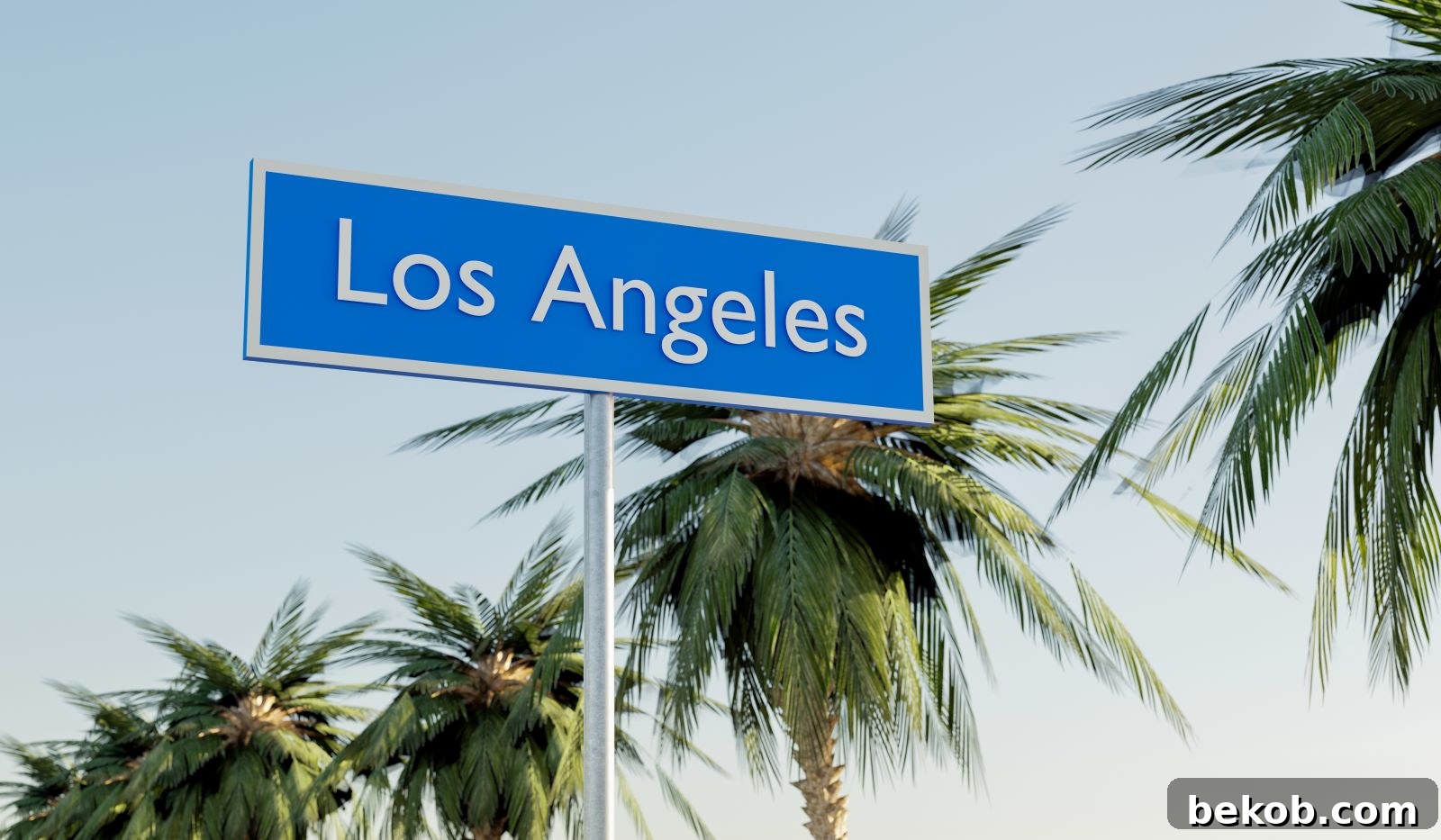
The sprawling metropolis of Los Angeles offers an irresistible blend of beautiful weather, diverse cultures, and endless entertainment opportunities. Yet, this idyllic Southern California lifestyle comes with a considerable financial commitment. Housing costs are a major concern for Angelenos, with both rental and home purchase prices consistently ranking among the highest nationally, varying greatly depending on the neighborhood. Furthermore, given its vast size and often-congested traffic, reliable transportation is not just a convenience but a necessity, adding significant expenses through car payments, insurance, gas, and parking. While public transportation options exist, many residents find car ownership essential, factoring heavily into their monthly budgets. A higher income is undeniably crucial to comfortably enjoy the vibrant lifestyle and diverse offerings of the City of Angels.
9. Boston, MA: Historical Charm Meets High Expenses
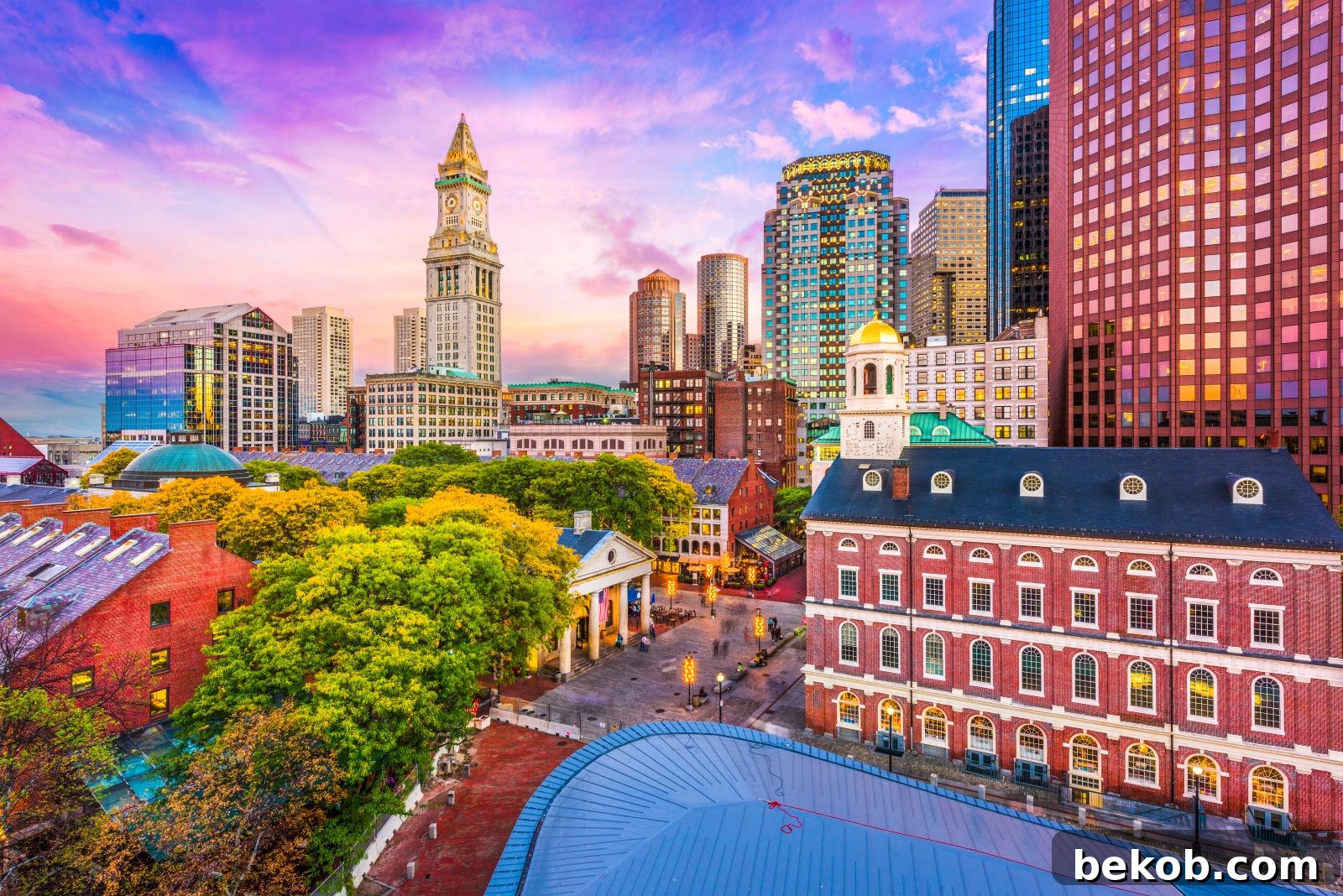
Boston, a city steeped in American history and renowned for its prestigious universities and robust healthcare industry, offers a unique blend of old-world charm and modern innovation. Living in this vibrant New England hub, however, can be quite expensive, particularly in terms of housing. The demand for apartments and homes, fueled by a large student population and a thriving job market, keeps rental and purchase prices elevated, especially in desirable neighborhoods close to downtown or educational institutions. Beyond housing, other costs like education (even for K-12, good districts command higher property taxes), utilities, and general consumer goods tend to be above the national average. While Boston boasts an excellent public transportation system (the “T”), residents still need to budget carefully to fully enjoy its rich culture, academic environment, and numerous attractions.
8. Washington, D.C.: The Capital’s Competitive Costs

As the nation’s capital, Washington, D.C., offers a wealth of job opportunities, particularly within government, non-profits, and related sectors. Its rich history, iconic monuments, and vibrant cultural scene make it an attractive place to live. However, the allure of D.C. comes with a significant financial commitment. Housing costs are notably high, with rents and home prices reflecting strong demand in a geographically constrained area. Commuting can also be a considerable expense, though the comprehensive Metro system provides a reliable alternative to car ownership for many. Beyond these, daily expenses such as groceries, dining, and entertainment tend to be above average. To maintain a comfortable lifestyle and fully capitalize on the career prospects and cultural offerings in D.C., securing a competitive salary that accounts for these elevated costs is absolutely essential.
7. Seattle, WA: Tech Growth and Rising Living Expenses

Seattle, with its majestic natural beauty and flourishing tech industry, has become a magnet for professionals seeking innovation and an outdoor-oriented lifestyle. Major employers like Amazon and Microsoft have fueled a booming economy, but this rapid growth has also significantly impacted the cost of living. The housing market, in particular, has seen substantial appreciation, making Seattle one of the more expensive places to rent or buy a home in the Pacific Northwest. While the city boasts decent public transportation, including the Link light rail, owning a car can add to expenses due to traffic and parking. Groceries and utilities are generally on par with other major cities, but the overall cost of housing dictates that residents need a strong income to fully enjoy Seattle’s unique blend of urban sophistication and access to stunning natural landscapes.
6. Miami, FL: Tropical Paradise with Financial Considerations
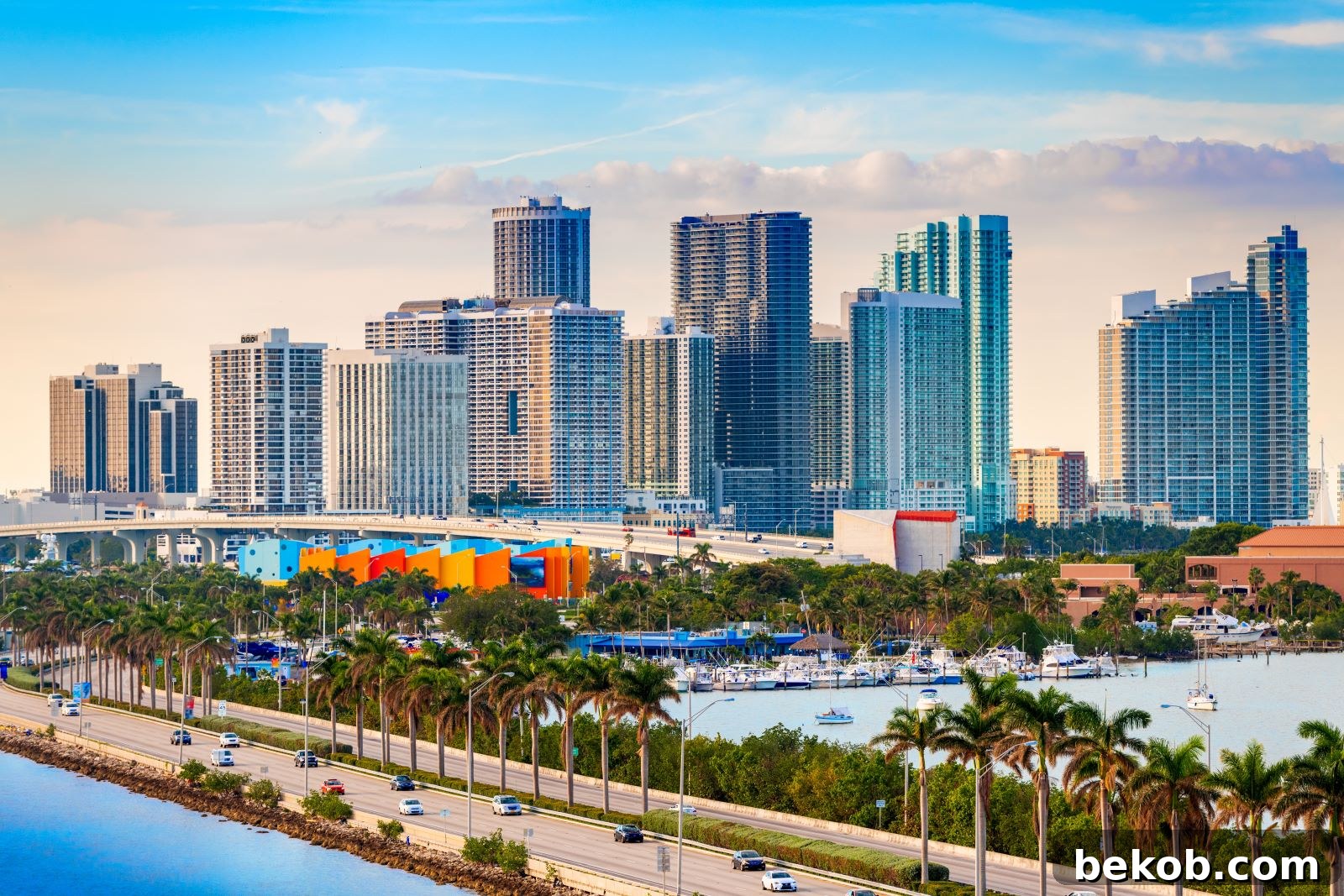
Miami offers a vibrant, diverse culture and a year-round tropical climate, attracting residents and tourists alike to its beautiful beaches and dynamic nightlife. While Florida boasts the advantage of no state income tax, the cost of living in Miami can still be substantial, especially for housing. Waterfront properties and trendy neighborhoods command premium prices, and even inland areas have seen significant increases in both rental and home ownership costs. Beyond housing, it’s crucial to factor in the often-high cost of insurance, particularly for home and auto, given its coastal location and susceptibility to hurricanes. While dining and entertainment options are abundant, they can quickly add up. Understanding these specific financial nuances is key to enjoying the unique allure of this South Florida paradise.
5. Chicago, IL: The Windy City’s Balanced Affordability

Chicago, often referred to as the “Windy City,” presents a more balanced cost of living compared to its East and West Coast counterparts, making it an attractive option for those seeking a major metropolitan experience without the exorbitant price tags. While not “cheap,” its housing market is generally more accessible, offering a wider range of rental and purchase options across its diverse neighborhoods. The city boasts an extensive public transportation network, the “L” train, which helps reduce reliance on personal vehicles and associated costs. Groceries and utilities are generally in line with national averages, though property taxes can be a factor for homeowners. To fully immerse oneself in Chicago’s world-class arts scene, renowned dining, and beautiful lakefront, a decent income is still necessary, but it often stretches further here than in other major US cities, offering a high quality of urban life.
4. Denver, CO: Rocky Mountain High, Cost of Living Rising
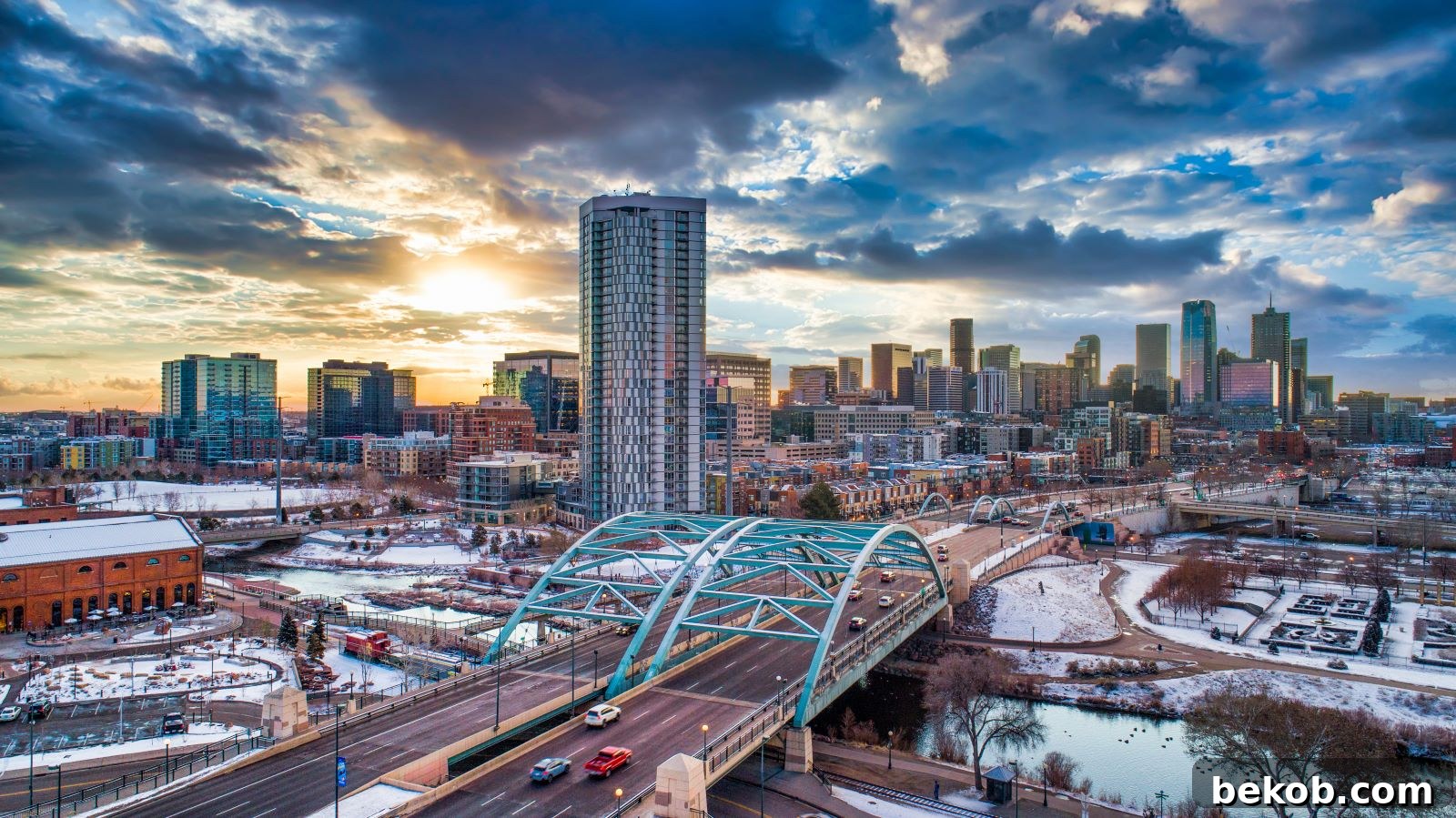
Denver, the Mile High City, has experienced a significant boom in recent years, drawing new residents with its strong job market, especially in tech and outdoor industries, and its unparalleled access to the Rocky Mountains. This popularity, however, has led to a steadily increasing cost of living, particularly impacting the housing market. Both rental rates and home prices have climbed significantly, making affordability a growing concern for many. Transportation costs are manageable with a decent public transit system, but many residents still opt for car ownership to access the surrounding natural attractions. Groceries and utilities are generally in line with national averages. While still more affordable than coastal giants, the escalating housing costs mean that a competitive income is becoming increasingly important for those looking to enjoy Denver’s unique blend of urban amenities and adventurous outdoor lifestyle.
3. Austin, TX: The “Keep Weird” City’s Evolving Affordability

Austin, the vibrant capital of Texas, has rapidly transformed into a major tech and cultural hub, famous for its live music scene, burgeoning food culture, and the unofficial motto “Keep Austin Weird.” Compared to many other large US cities, it traditionally offered a more accessible cost of living, appealing to a diverse range of individuals and businesses, partly due to Texas having no state income tax. However, the influx of major tech companies (like Tesla and Apple) and rapid population growth has placed immense pressure on the housing market. While still generally more affordable than cities like San Francisco or New York, housing prices and rental rates have surged, making the market increasingly competitive. Transportation, groceries, and utilities remain relatively reasonable, but prospective residents should be prepared for a dynamic and often challenging housing search and factor in the rapidly evolving financial landscape when considering a move to this energetic city.
2. Nashville, TN: Music City’s Harmony of Culture and Cost
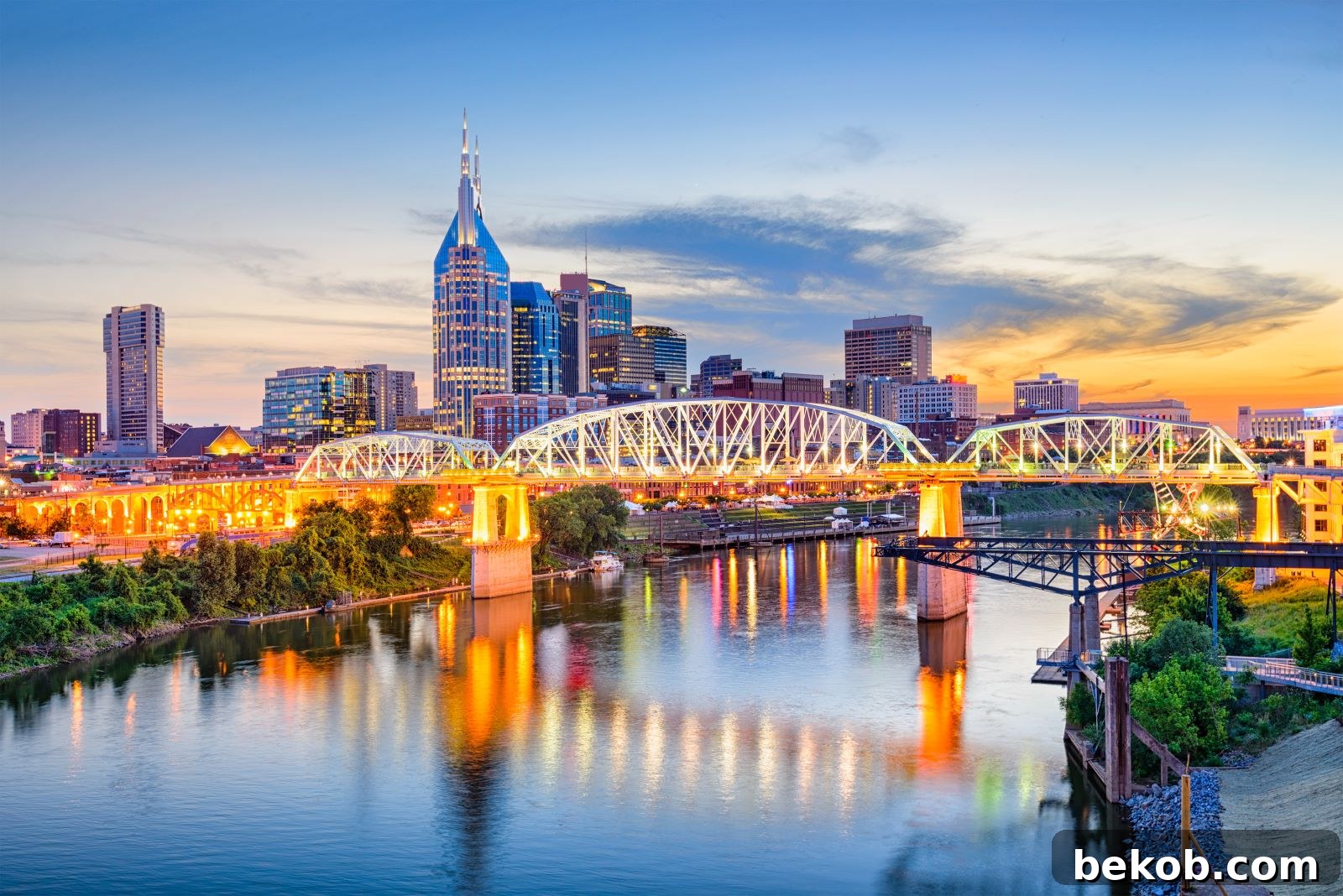
Nashville, the heart of country music and a rapidly growing Southern hub, offers a captivating blend of entertainment, history, and a genuinely friendly atmosphere. While its popularity continues to soar, leading to a steady increase in property values and rental costs, Nashville still presents a more reasonable cost of living compared to the major coastal cities. Housing, though rising, remains relatively affordable, making it an attractive option for those seeking homeownership or more spacious rental properties. Transportation largely relies on personal vehicles, but gas prices and insurance can be managed. Groceries and utilities are typically close to the national average. With a thriving job market, particularly in healthcare, music, and tourism, Nashville stands out as an excellent choice for individuals and families looking for affordability within a vibrant community, offering a rich cultural experience without breaking the bank.
1. Portland, OR: Quirky Charm Meets Rising Urban Costs
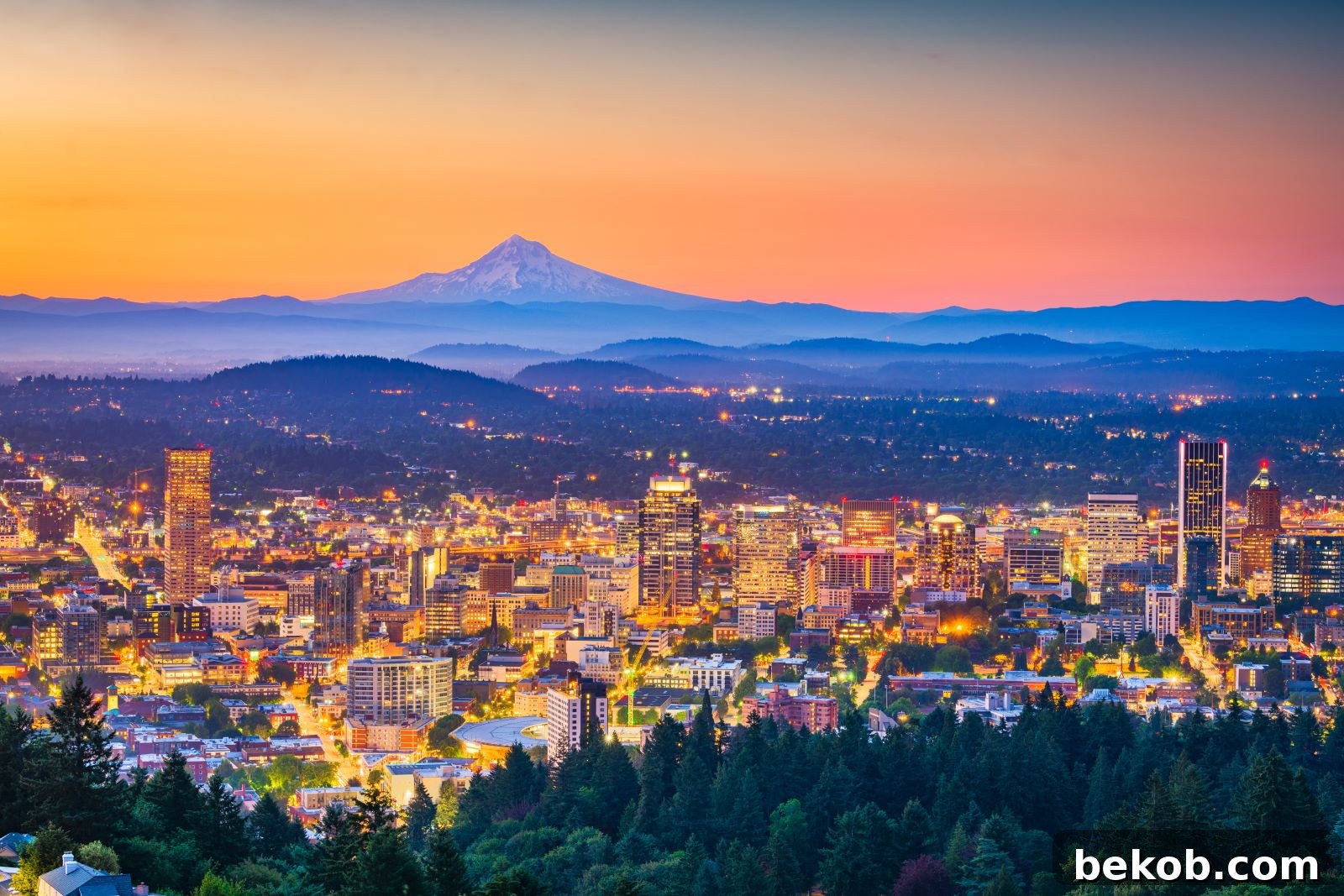
Portland, Oregon, famous for its distinctive quirky culture, vibrant food scene, and stunning natural beauty, has long been a draw for those seeking a laid-back yet dynamic urban experience. However, the city’s increasing popularity has brought with it a significant rise in living expenses, particularly in the housing market. Both rental and home purchase prices have climbed considerably, making it challenging for some to find affordable accommodation within the city limits. While Portland boasts an excellent public transportation system (MAX light rail and extensive bus routes), which can help mitigate transportation costs, other expenses like state income tax, groceries, and utilities also contribute to the overall budget. To comfortably embrace Portland’s unique charm, from its craft breweries to its lush parks, securing a solid income is becoming increasingly essential to manage the rising cost of living in this beloved Pacific Northwest gem.
When you’re contemplating a significant move to any of these diverse US cities, it’s absolutely crucial to adopt a holistic view of financial planning. Beyond just the most obvious metric of housing costs, a realistic budget must incorporate a range of other essential expenditures. Consider the daily realities of transportation – whether it’s the cost of public transit passes, fuel, car insurance, or parking fees. Healthcare expenses, education costs for families, and the general price of groceries, utilities, and leisure activities all play a substantial role in your overall financial well-being. Each city truly possesses its own unique blend of charm, professional opportunities, and specific challenges, so meticulously evaluating your personal financial situation, career prospects, and desired lifestyle is the key to making an informed and successful relocation decision.
Budget Breakers: 10 Cities with Overpriced Housing

Do you often find yourself questioning if you’re paying too much for your current home? Are you curious whether your residence is located in a city notorious for excessively high housing costs? Delve deeper into our comprehensive list revealing the top 10 housing markets where property values exceed their historical trends by over 40%, as meticulously identified by the College of Business at Florida Atlantic University. This insight could be crucial for homeowners and prospective buyers alike.
Profit Power: Must-Have Features for Fast Home Sales!

In today’s highly competitive real estate landscape, making your property stand out is paramount to achieving a quick and profitable sale. While foundational elements like location and strategic pricing are undeniably critical, the distinctive features and upgrades within your home play an equally significant role in captivating and attracting potential buyers. Discover the must-have features that will not only enhance your home’s appeal but also maximize your chances of a lucrative and swift transaction.
The #1 Curb Appeal Update to Add Value to Your Home
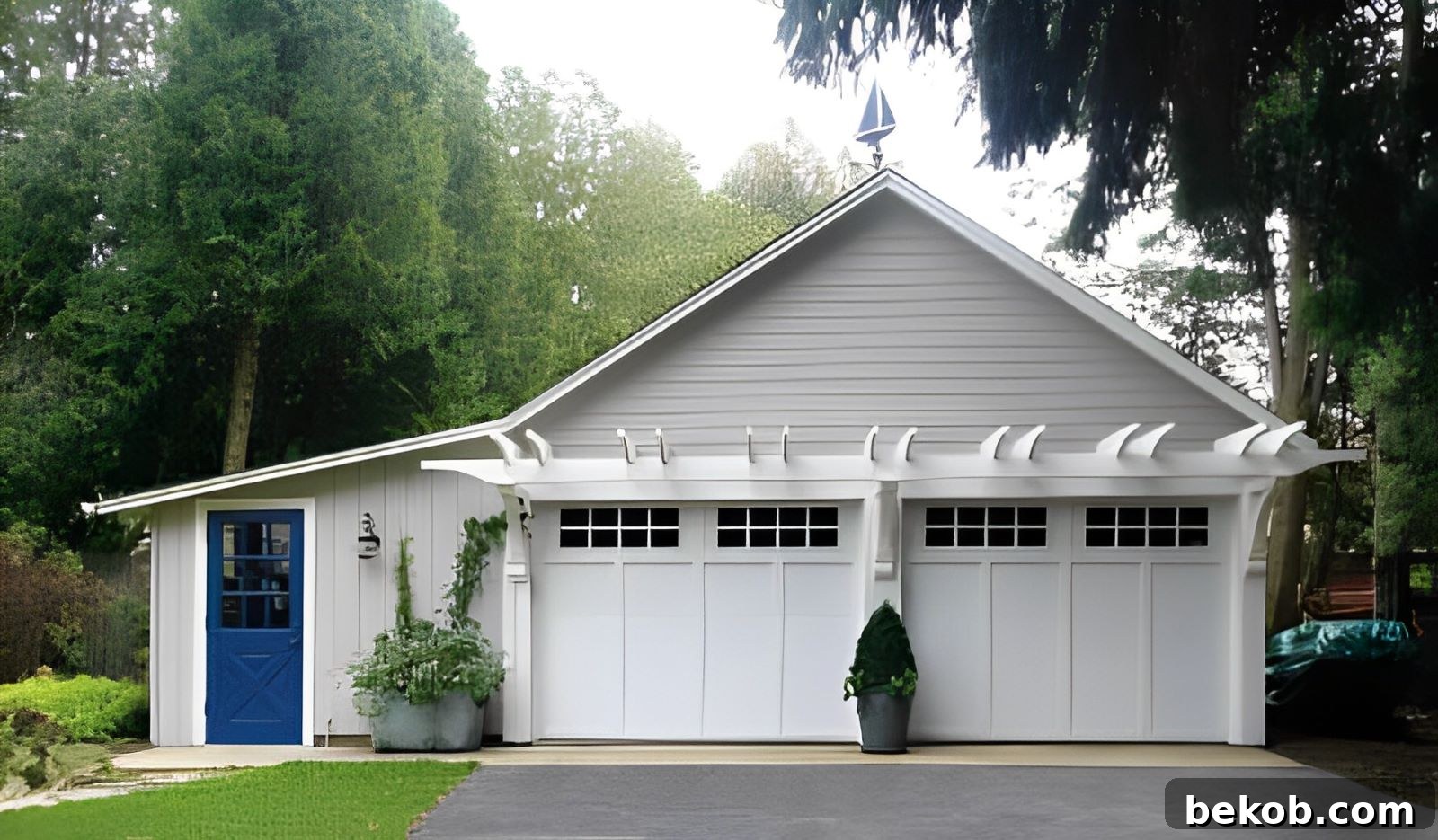
While there are countless ways to potentially increase your home’s value, the key question for many homeowners is where to invest their hard-earned money for the greatest return. The answer often lies in enhancing your home’s curb appeal, and more specifically, focusing on your garage doors! An attractive and well-maintained exterior, starting with your garage, can significantly boost your property’s first impression and perceived value, making it a wise investment.
How to Identify a House with Good Bones

Having thoroughly explored the fundamental key components that define a home with strong structural integrity or “good bones,” you might now be wondering how to practically identify such a property during your house hunt. Here are some actionable tips and crucial indicators to help you recognize a house that possesses a solid foundation and robust construction, setting it up for successful renovations and long-term value.