
Preventing Home Heat Loss: A Comprehensive Guide to Saving Energy and Money
As the colder months approach, maintaining a warm and comfortable home becomes a top priority. However, many homeowners struggle with heat loss, leading to increased energy bills and a chilly indoor environment. Identifying and addressing areas of heat loss is crucial for energy efficiency and cost savings. This comprehensive guide will explore common causes of home heat loss and provide practical strategies to minimize energy waste and maximize warmth throughout the winter season.
Understanding the Culprits Behind Home Heat Loss
Several factors can contribute to heat escaping your home. Identifying these culprits is the first step toward creating a more energy-efficient living space.
- Inadequate Insulation: Insulation acts as a barrier, preventing heat from escaping through walls, roofs, and floors. Insufficient or degraded insulation is a major source of heat loss.
- Drafty Windows and Doors: Gaps and cracks around windows and doors allow cold air to enter and warm air to escape. Older windows, in particular, may suffer from poor seals.
- Air Leaks: Even small cracks and openings in the building envelope (the outer shell of your home) can add up to significant air leakage. These leaks can occur around pipes, electrical wiring, and other penetrations.
- The Roof: A significant amount of heat rises and escapes through the roof, especially if it’s not properly insulated.
- The Basement or Crawl Space: Uninsulated basements or crawl spaces can contribute to heat loss, as cold air rises and cools the floors above.
Practical Strategies to Combat Home Heat Loss
Now that we’ve identified the common causes of heat loss, let’s explore effective strategies to address these issues and improve your home’s energy efficiency.
1. Enhance Insulation
Investing in proper insulation is one of the most effective ways to prevent heat loss and reduce energy bills. Consider these options:
- Attic Insulation: The attic is a prime location for heat loss. Adding or upgrading attic insulation can significantly reduce energy waste. Consider using fiberglass, cellulose, or spray foam insulation.
- Wall Insulation: Insulating exterior walls can prevent heat from escaping through the building envelope. Options include fiberglass batts, blown-in insulation, and rigid foam boards.
- Basement or Crawl Space Insulation: Insulating basement or crawl space walls can help regulate temperature and prevent heat loss. Foam boards or spray foam insulation are good choices for these areas.
2. Seal Windows and Doors
Addressing drafty windows and doors can make a noticeable difference in your home’s comfort and energy efficiency.
- Weather Stripping: Apply weather stripping around door and window frames to seal gaps and prevent air leaks. Replace worn or damaged weather stripping as needed.
- Caulking: Use caulk to seal cracks and gaps around window and door frames, as well as any other openings in the building envelope.
- Window Film: Apply window film to the inside of windows to add an extra layer of insulation and reduce heat transfer.
- Storm Windows: Install storm windows over existing windows to provide an additional barrier against cold air.
- Replace Old Windows: If your windows are old and inefficient, consider replacing them with energy-efficient models that have low-E coatings and multiple panes of glass.
3. Address Air Leaks
Sealing air leaks throughout your home can significantly reduce heat loss and improve energy efficiency.
- Identify Air Leaks: Use a lit candle or incense stick to detect air leaks around windows, doors, pipes, and electrical outlets. The smoke will waver in the presence of a draft.
- Seal Penetrations: Seal gaps around pipes, electrical wiring, and other penetrations with caulk or expanding foam.
- Insulate Outlets and Switches: Install foam gaskets behind electrical outlets and switches on exterior walls to prevent air leaks.
- Check Ductwork: Inspect ductwork for leaks and seal any gaps with duct tape or mastic sealant.
4. Optimize Heating System Efficiency
Ensure your heating system is operating efficiently to minimize energy waste and maximize warmth.
- Regular Maintenance: Schedule regular maintenance for your furnace or heat pump to ensure it’s running efficiently.
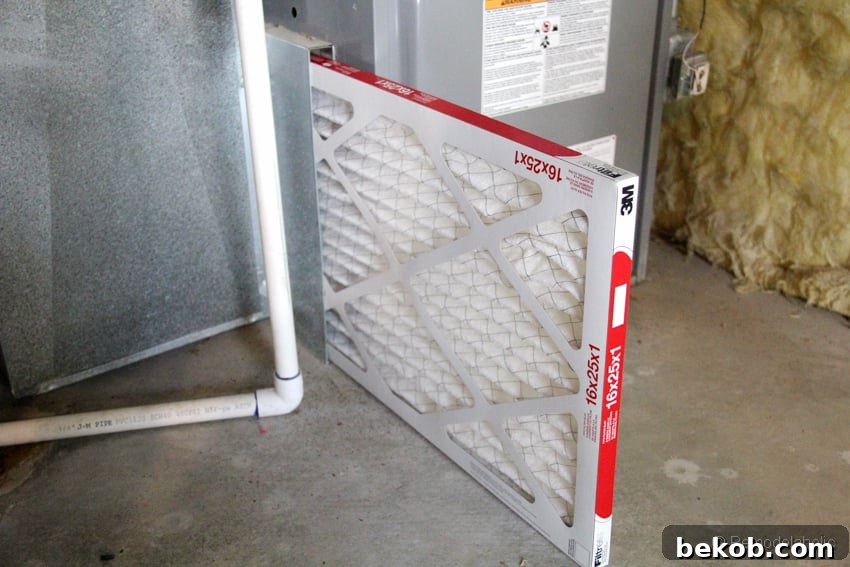
- Replace Air Filters: Change air filters regularly to improve airflow and prevent the heating system from working harder than necessary.
- Programmable Thermostat: Install a programmable thermostat to automatically adjust the temperature based on your schedule.
5. Consider an Energy Audit
A professional energy audit can help identify areas of heat loss and recommend specific improvements to enhance your home’s energy efficiency. An energy auditor will assess your home’s insulation levels, air leakage, and heating system efficiency.

Further Resources for Winter Home Preparation
Preparing your home for winter involves more than just preventing heat loss. Here are some additional resources to help you get your home ready for the colder months.
Don’t forget to check out this Winter Home Checklist for a comprehensive guide to preparing your home for the cold season. This checklist includes tasks such as inspecting your roof, cleaning gutters, and preparing your plumbing for freezing temperatures.
While you’re at it, consider completing a Seasonal Cleaning Checklist to ensure your home is clean and organized before winter arrives. This checklist includes tasks such as cleaning windows, decluttering closets, and organizing your pantry.

Conclusion: A Warm and Energy-Efficient Home
Preventing home heat loss is essential for maintaining a comfortable living environment, reducing energy bills, and promoting sustainable living. By understanding the causes of heat loss and implementing the strategies outlined in this guide, you can create a warmer, more energy-efficient home that saves you money and reduces your environmental impact. From enhancing insulation to sealing air leaks and optimizing your heating system, every effort counts toward creating a more sustainable and comfortable home. Start implementing these tips today and enjoy a warmer, more energy-efficient winter season.
What methods have you used to effectively prevent heat loss in your home? Have these methods proven successful in saving you money on your energy bills? Share your experiences and tips in the comments below!