
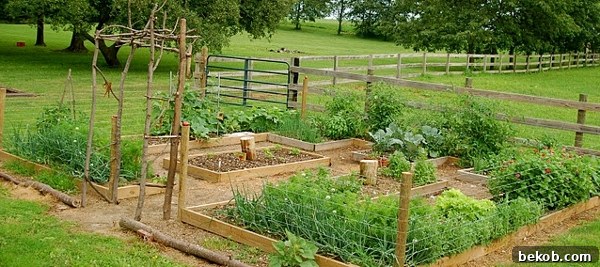
From Vision to Vibrant Oasis: Cultivating Our Dream Cottage Garden
The Genesis of a Dream: Unveiling the Cottage Garden Concept
Every successful garden project begins with a spark of inspiration, and for us, that spark ignited from a modest start. Our gardening journey commenced with three standard square-foot gardening boxes, a pragmatic approach to growing fresh produce. This initial success quickly encouraged expansion, leading to the addition of a 4ft x 8ft raised bed specifically dedicated to a bountiful tomato harvest. However, this was merely the prelude to a far grander vision – an ambition that soon “exploded” into the creation of an expansive cottage garden. With crucial technical and construction assistance from my incredibly supportive partner, Josh, I was empowered to transform this budding dream into a living, breathing reality.
My enduring fascination with English cottage gardens fueled this transformation. Through countless hours of perusing gardening magazines and books, I was consistently drawn to their informal charm, abundant planting schemes, and picturesque pathways. These idyllic spaces, sometimes referred to as potager gardens (a French term for a kitchen garden that is also aesthetically pleasing), resonated deeply with my desire for a garden that was both productive and visually captivating. The concept of winding paths, charming arbors, and a delightful blend of flowers, herbs, and vegetables growing in harmonious disarray was profoundly appealing. In stark contrast, the rigid, straight rows often seen in traditional vegetable plots simply didn’t speak to my creative spirit. I envisioned my garden not just as a place to grow food, but as a vibrant canvas, waiting for me to paint with nature’s diverse palette.
Building the Backbone: Constructing Raised Garden Beds and Structures
Fortuitously, Josh was completely on board with my vision for a more organic and free-form garden design. His practical skills and unwavering support were instrumental from the very first step. The project began with the foundational work of meticulously installing corner and fence posts. These essential elements not only defined the perimeter of our expansive new garden space but also laid the groundwork for the robust raised beds that would form its heart. This initial structural phase is critical for establishing the long-term integrity and aesthetic appeal of any outdoor project.
Following the framework, attention shifted to crafting the individual raised beds. We carefully integrated the existing 4×8-foot bed and three 4×4-foot beds into our new, larger design. Josh’s engineering prowess became particularly evident in his solution for the longer beds: he strategically braced them with shorter boards, cleverly hidden beneath the soil level. This innovative technique was crucial for preventing the beds from bowing outwards under the immense pressure of the soil, ensuring their structural stability and longevity. This foresight is a key factor in the success of any raised garden bed system, preventing common issues down the line.
A central feature of my dream cottage garden was a custom-made arbor, destined to be adorned with climbing vines and flowering plants. Embracing a philosophy of sustainability and natural beauty, I constructed this arbor myself using fallen timber found on our property. Josh then expertly secured this handmade structure to the gate posts, guaranteeing its stability and ensuring it would withstand the elements and years of growth. The initial investment for the necessary lumber amounted to approximately $200, with additional supplies bringing the grand total to about $350. While this felt like a significant outlay at the time, we viewed it as a sound investment in a durable, aesthetically pleasing, and highly functional garden infrastructure that would serve us for many seasons to come.
Cultivating Fertility: Preparing the Soil for Abundant Growth
Once the intricate framework of our cottage garden was securely in place, the next vital step was preparing the beds for planting. We meticulously lined each raised bed with a high-quality weed mat, a proactive measure to suppress unwanted weeds and minimize future maintenance, thereby ensuring our plants had optimal conditions to thrive. Following this, the monumental task of filling the beds with soil commenced. Utilizing a tractor, we efficiently transported and deposited vast quantities of nutrient-rich earth into each frame. We consciously overfilled the beds, creating generous mounds of soil, anticipating the natural settling that occurs over time. This strategic approach ensured that even after compaction, the beds would remain adequately full, providing a deep, fertile foundation for the roots of our future crops and vibrant flowers within our meticulously planned cottage garden layout. Proper soil preparation is, after all, the cornerstone of any productive and beautiful garden.
Defining the Space: The Subtle Role of the Garden Fence
To further enhance the garden’s structure and gently define its boundaries, Josh installed a high-tensile fence around the entire perimeter. It’s important to clarify its primary function: this fence wasn’t intended as an impenetrable barrier against large wildlife. Instead, its purpose was multi-faceted, serving as a subtle visual cue that demarcated the garden beds, provided a gentle “stop” signal for curious children and energetic dogs, and offered a natural support system for various climbing plants. My vision was for a fence that would integrate seamlessly with the garden’s aesthetic, allowing an unobstructed view of its beauty rather than creating a visual barrier. After a brief period of gentle training, both our furry companions and our little ones quickly learned to respect this new boundary. This thoughtful addition proved to be both practical and aesthetically pleasing, significantly contributing to the overall charm and functionality of our growing garden style.
The Art of Planting: Initial Attempts and Necessary Adaptations
With the garden’s infrastructure firmly established, my attention turned to the intricate and rewarding task of planting. I dedicated considerable time to carefully reading and formulating a strategic plan to maximize every square inch of space within my “new little baby” garden. This thoughtful approach paid off handsomely, as the initial planting efforts largely succeeded. I understood that certain crops, such as strawberries, would naturally require more time to establish themselves and yield a significant harvest. Nevertheless, seeing the first tender shoots emerge and the early growth take hold filled me with immense satisfaction and reaffirmed the promising trajectory of our cottage garden endeavor.
As the garden matured and evolved, a few adjustments became evident. One area that particularly benefited from an update was the front beds. Initially, I had repurposed logs found around the property, which served their purpose adequately for a time. However, the serendipitous discovery of more substantial fallen timber presented an opportunity for significant improvement. These larger, more aesthetically pleasing timbers were perfectly suited to create the ideal front flower beds, imbuing the entrance with a more refined yet still natural and rustic charm. (On a lighter note, the red cups visible in some early photographs were part of a charming, if ultimately unsuccessful, attempt to grow daisies – a whimsical experiment that, despite its outcome, added a touch of quirky character to the budding garden.)
Enhancing Pathways: A Touch of Order and Beauty
Another practical issue that needed addressing was the condition of the garden’s aisle ways. These pathways, while functional, frequently became muddy and prone to weed infestation, detracting from the overall neatness and appeal of the burgeoning cottage garden. To resolve this, we implemented a significant enhancement: laying down a fresh, durable layer of weed matting and then generously applying a substantial amount of mulch. This simple yet highly effective solution dramatically transformed the walkways. They instantly became cleaner, drier, and far more pleasant to navigate, making the garden more accessible and enjoyable. The rich texture and uniform appearance of the mulch not only suppressed weeds but also provided a cohesive visual element, elevating the garden’s aesthetic considerably. This improvement proved that thoughtful detailing, even in seemingly minor areas, can profoundly impact both the functionality and beauty of a beautiful backyard oasis.
Indeed, this strategic application of weed mat and mulch truly elevated the entire garden’s appearance. It created a sense of intentionality and polish, transforming previously messy areas into appealing, functional pathways that seamlessly integrated with the lush planting. The overall improvement was palpable, enhancing both the garden’s visual harmony and its practical usability.
Embracing the Seasons: Winter Slumber and Spring Awakening
Situated in Zone 5, our garden experiences the full, distinct cycle of four seasons, each bringing its own unique rhythm and requirements. As the vibrant colors of fall began to fade, our focus shifted to preparing the garden for its winter slumber. I diligently covered the raised beds with a generous foot-thick layer of fallen leaves, providing essential insulation and a slow-release source of organic matter for the soil. The delicate strawberry plants, however, received a specialized protective blanket of straw, safeguarding them from the harsh winter elements. Soon, the landscape transformed, as a pristine blanket of snow descended, covering everything in a serene, glistening white. This period of dormancy for the garden was anything but idle for me; it became a time for reflection, research, and renewed planning. I eagerly spent hours creating new design layouts and, most excitingly, poring over seed catalogs, dreaming about the vast array of seeds I would order for the promise of the coming spring.
True to its unwavering cycle, spring eventually rolled around, breathing new life and vibrant energy back into the garden. The previous year’s accumulation of horse, goat, and cow manure had undergone a miraculous transformation, evolving into rich, dark, and highly potent compost – nature’s perfect soil amendment. I carefully raked off the insulating layer of leaves, revealing the enriched soil beneath, now ready for revitalization. We then added several generous tractor scoops of this invaluable compost, infusing the beds with a fresh surge of organic matter and essential nutrients. Following this, the raked leaves were returned to their place, serving a dual purpose: acting as an effective mulch to suppress new weed growth and helping to retain crucial moisture in the newly enriched soil, setting the stage for a season of unparalleled growth.
Innovative Additions: The Charm and Utility of the Bean Frame
Amidst all these seasonal transitions and ongoing preparations, a particularly delightful idea took root, one that would become a true standout feature of our burgeoning cottage garden: the bean frame. This simple yet ingenious structure was specifically designed to provide robust vertical support for climbing beans and other vining plants. By encouraging upward growth, it not only saved precious ground space within the raised beds but also created a stunning vertical display, adding an exciting new dimension to the garden’s visual appeal.
The anticipation surrounding its implementation was palpable, and the results exceeded all expectations. Wait until you witness how wonderfully this innovative addition transformed a section of the garden! Its impact was immediate, contributing significant height, intricate texture, and, most importantly, an abundance of delicious, easy-to-harvest beans. The bean frame quickly became a beloved element of the garden, a testament to how creative and functional solutions can dramatically enhance both the productivity and the overall aesthetic of a well-loved outdoor space. We absolutely love it!
The Garden’s Grand Finale: From Tender Shoots to Lush Abundance
With the beds meticulously prepared and the new structures firmly in place, I embarked on the most joyous part of the process: planting. Day after day, I carefully nestled countless seedlings, bulbs, and young plants into the rich soil. Each tiny sprout, each delicate leaf, represented a promise of future beauty and bounty. In those early days, the garden started off so small, so innocent, and undeniably cute – a tender landscape of emerging greens and budding potential.
And then, as nature’s magic unfolded with remarkable speed and vigor, it transformed into something truly spectacular. The garden grew with an almost wild abandon, yet always maintained an undeniable charm. It blossomed into a vibrant tapestry of colors, intoxicating scents, and diverse textures, a bustling ecosystem teeming with life. From its humble beginnings as “little and cute,” it evolved into a gloriously “crazy (and still undeniably cute)” profusion, a living testament to the powerful synergy between thoughtful planning, diligent care, and nature’s boundless energy. This transformation has been a constant source of wonder and delight.
This entire journey of cultivating our cottage garden has been an immensely rewarding and enriching experience. It stands as a beautiful testament to how a cherished dream, combined with a bit of hard work and the invaluable support of a loving partner, can bring a truly vibrant and deeply personal oasis to life. Our garden continues to thrive wonderfully, constantly evolving and perpetually offering new surprises with each passing season.
We eagerly await its continued growth and the abundant harvests and beauty it promises to share with us and all who visit!
Explore More Garden Inspiration:
The Great Outdoors: Garden Style
Beautiful Water Wise Backyard
Stone Soup Garden