
Rediscovering the Phenomenon of Lost: A Timeless Journey Through Mystery and Fandom
The television landscape has evolved dramatically over the years, but some shows leave an indelible mark, transcending their original broadcast to become cultural touchstones. Among these, the groundbreaking series Lost stands out as a true pioneer in serialized storytelling. Years after its initial run, the excitement surrounding its intricate plotlines, unforgettable characters, and profound mysteries continues to resonate with both longtime fans and new viewers discovering its magic for the first time.
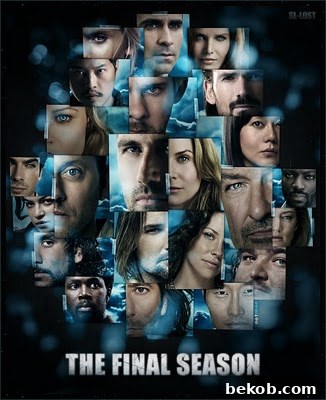
Even without traditional television access, the anticipation for pivotal moments in a beloved series remains palpable. The thrill of a new season premiere, especially for a show as meticulously crafted and widely discussed as Lost, is a shared experience that connects millions. The sixth season, in particular, marked a crucial turning point, promising revelations and tying together threads that had captivated audiences for half a decade. The very idea of the final season sparked countless debates, theories, and emotional preparations among its devoted following.
Lost was more than just a TV show; it was a weekly event, a complex puzzle box that invited viewers to participate actively in deciphering its secrets. From the moment Oceanic Flight 815 crashed on a mysterious island, audiences were plunged into a world where science fiction, philosophy, and deeply human drama intertwined. Its innovative narrative structure, characterized by flashbacks and flashforwards, set new standards for television storytelling, inspiring a generation of creators and changing viewer expectations forever. The show’s ability to balance high-concept mysteries with compelling character arcs, making us care deeply about each survivor’s past and future, was a testament to its brilliant writing and phenomenal cast.
The Enduring Appeal of Lost: A Deep Dive into Its Legacy
What made Lost such a phenomenon, and why does its legacy persist? Part of its allure lay in its bold embrace of serialization. Each episode wasn’t just a self-contained story; it was a piece of a larger, epic tapestry. This encouraged binge-watching long before the term became mainstream, as viewers eagerly sought to connect the dots and piece together the grand narrative. The show skillfully blended elements of sci-fi, fantasy, drama, and adventure, creating a unique genre blend that appealed to a vast audience.
The characters themselves were central to the show’s success. Jack, Kate, Sawyer, Locke, Hurley, Sayid, and countless others were flawed, relatable, and constantly evolving. Their struggles, their relationships, and their individual journeys of redemption and self-discovery formed the emotional core of the series. Fans invested deeply in their fates, debating their choices and rooting for their survival. The island, too, became a character in its own right – a living, breathing entity with its own rules, dangers, and ancient secrets that tantalized and terrified in equal measure.
Furthermore, Lost was a pioneer in fostering online fan communities. Before the explosion of social media as we know it today, forums, blogs, and dedicated websites buzzed with discussions, theories, and Easter egg hunts. Every frame, every line of dialogue, and every cryptic symbol was dissected by an army of armchair detectives. This collective analytical effort not only enriched the viewing experience but also created a powerful sense of community among fans worldwide. This level of engagement ensured that the show remained a constant topic of conversation, even between seasons, driving its cultural impact far beyond the screen.
The Evolution of Content Consumption: Engaging with TV Shows in the Digital Age
The experience of watching a highly anticipated premiere without a traditional television set highlights a significant shift in media consumption. The days when a household needed a TV antenna or a cable subscription to follow their favorite shows are increasingly behind us. The rise of streaming platforms, digital downloads, and on-demand viewing has revolutionized how we access entertainment. Services like Netflix, Hulu, and Amazon Prime Video have made it possible to watch entire seasons at our own pace, leading to the phenomenon of “binge-watching” – a practice that Lost, with its cliffhangers and intricate plots, inadvertently primed audiences for.
This democratization of content access means that physical location or time slots are no longer barriers to enjoying popular culture. Whether you’re catching up on a show via a laptop, a tablet, or a smartphone, the shared experience of television remains intact, simply manifesting in new ways. Fan interactions have also moved online, from dedicated subreddits to YouTube channels dissecting plot points, and social media feeds exploding with real-time reactions. This digital landscape allows fans to connect globally, sharing their excitement, frustrations, and insights, creating a vibrant ecosystem around beloved series like Lost.
Fan-Made Content: Celebrating Lost Through Humor and Parody
The passion of the Lost fandom extended beyond theories and discussions into creative expression. One of the most delightful aspects of any strong fan community is the emergence of fan-made content, from elaborate fan fiction to humorous parodies. These creations serve as a testament to the show’s influence, demonstrating how deeply its characters and narrative threads permeated the collective consciousness of its viewers. A prime example of this creativity is the kind of fan video that captures the essence of the show’s humor and unique quirks.
I recently stumbled upon a brilliant fan video, originally shared on a blog called Tater Tots and Jello, that perfectly encapsulates the witty, self-aware humor that often accompanied discussions about Lost. These types of videos, often featuring clever edits, satirical voiceovers, or reenactments, become instant classics within the fan community because they speak directly to the shared experience of watching the show. They often highlight inside jokes, recurring gags, or common fan frustrations in a way that only someone intimately familiar with the series could truly appreciate.
The specific video I encountered was incredibly funny, so much so that I felt compelled to share it with everyone. It’s a fantastic example of how fans engage with their favorite media, transforming it into something new and entertaining. However, a fair warning is due: like many fan-driven parodies, this particular video contains a few crude moments, typical of internet humor designed for a specific audience. More importantly, its comedic brilliance is almost entirely dependent on prior knowledge of Lost. If you haven’t journeyed through the island’s mysteries, encountered its enigmatic inhabitants, and grappled with its philosophical dilemmas, much of the humor, the subtle nods, and the clever lampooning might fly over your head. This highlights how fan content often acts as an exclusive club, a reward for those who have invested their time and emotions into the original narrative.
Such videos aren’t just entertainment; they’re a form of cultural commentary. They often take the most iconic or perplexing elements of a show and twist them into something hilarious, helping fans process complex plots or cope with the sometimes frustrating pace of a serialized drama. They reinforce the shared understanding and affection for the source material, bringing fans together through laughter and shared recognition of intricate details.
The Lasting Impact: Why Lost Continues to Captivate
Even years after its controversial finale, Lost remains a touchstone in television history. It proved that audiences were ready for complex, long-form storytelling that demanded attention and critical thinking. It blurred the lines between network television and cinematic experiences, pushing the boundaries of what a weekly drama could achieve. Its influence can be seen in numerous subsequent shows that have embraced intricate plots, ensemble casts, and a commitment to serialized narratives.
For those who experienced Lost as it aired, the memories are vivid: the weekly anticipation, the communal theorizing, the gasps, and the tears. For new generations discovering it through streaming, it offers a rich, immersive world to explore, a journey full of surprises and profound questions about destiny, free will, and the meaning of life. The conversations sparked by Lost continue today, a testament to its enduring power and the brilliant minds behind its creation.
Ultimately, whether it’s through a rewatch of the entire series, a deep dive into fan theories, or a laugh shared over a clever parody video, the spirit of Lost lives on. It reminds us of the power of compelling storytelling, the joy of shared experiences, and the magic of television that dares to be different. The excitement for its narrative, its characters, and its indelible mark on pop culture is as vibrant today as it was during its initial run.