

A Timeless Journey Through Interior Design: Exploring Decades of Style and Innovation
Embark on a captivating journey through the annals of home decor as we unveil the rich tapestry of interior design history. From the opulent grandeur of the early 20th century to the sleek minimalism of contemporary living, each decade has left an indelible mark on how we envision and craft our personal spaces. Understanding these evolving trends not only offers a fascinating glimpse into societal shifts but also provides endless inspiration for modern homes.
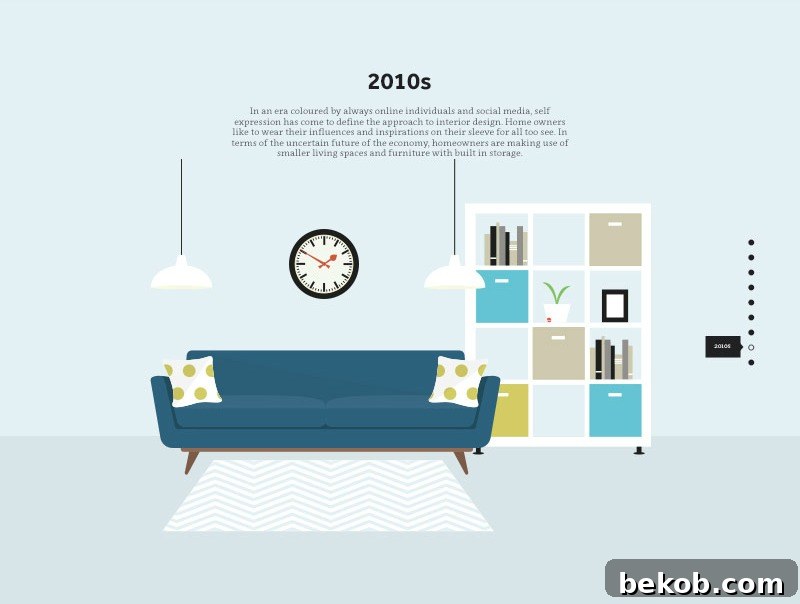
To help visualize this incredible evolution, we’re thrilled to share an insightful infographic from our friends at Harvey Water Softeners. This visual timeline beautifully encapsulates the defining characteristics and groundbreaking innovations that shaped interior aesthetics across various eras. Let’s dive into the core elements that define each period, offering a comprehensive look at the styles that continue to influence our homes today.

Diving Deep into Decades of Design: A Comprehensive Guide
The history of interior design is a vibrant narrative of innovation, cultural shifts, and the relentless pursuit of beauty and functionality. Each decade, propelled by historical events, technological advancements, and changing lifestyles, introduced unique aesthetics and philosophies that resonated with the spirit of the times. Let’s explore these fascinating periods:
The Roaring Twenties: Art Deco’s Grandeur (1920s)
The 1920s burst forth with the exuberance of the Art Deco movement, a celebration of modernity, luxury, and opulence. After the austerity of World War I, people embraced lavish living, reflected in geometric patterns, rich materials, and streamlined forms. Interiors were characterized by:
- Materials: Chrome, glass, lacquered wood, exotic veneers, and mirrored surfaces.
- Colors: Bold and contrasting palettes, often featuring black, gold, silver, deep reds, and emerald greens.
- Furniture: Sleek, often oversized pieces with geometric shapes, luxurious upholstery like velvet and silk.
- Motifs: Sunbursts, chevrons, zigzags, and stylized depictions of flora and fauna.
- Key Look: Glamorous, symmetrical, and sophisticated spaces that exuded a sense of prosperity and future-forward design.
The Thirties: Streamlined Elegance and Practicality (1930s)
As the Great Depression took hold, Art Deco evolved into a more restrained, yet still elegant, style known as Streamline Moderne. There was a shift towards practicality and comfort, with simpler forms and a focus on functionality.
- Materials: Chrome, glass, bakelite, and more accessible woods.
- Colors: Softer, more muted tones; pastels, grays, and creams became popular, often accented with deeper hues.
- Furniture: Curved lines, rounded edges, and functional designs that still maintained a sense of sophistication. Built-in furniture also gained traction.
- Key Look: Understated luxury, comfortable living spaces, and a clean, less cluttered aesthetic compared to the previous decade.
The Forties: Wartime Austerity and Resourcefulness (1940s)
World War II significantly impacted design, leading to resourcefulness and a utilitarian approach. Material shortages meant a focus on durability and necessity, with DIY and repurposed items becoming common.
- Materials: Wood, practical fabrics like cotton, and an emphasis on what was available.
- Colors: Patriotic colors (red, white, blue) alongside more subdued earth tones.
- Furniture: Simple, sturdy, and functional pieces. Design focused on practicality over ornamentation.
- Key Look: Homes were cozy and patriotic, reflecting resilience and resourcefulness. The beginnings of modular furniture appeared.
The Fifties: Mid-Century Modern and Post-War Optimism (1950s)
The post-war boom brought an era of optimism, prosperity, and innovation, giving rise to the iconic Mid-Century Modern style. This period celebrated new materials and technologies, alongside a renewed focus on family and comfortable living.
- Materials: Plywood, plastic, fiberglass, chrome, and sleek metals.
- Colors: Vibrant, optimistic palettes including turquoise, chartreuse, orange, and atomic patterns. Muted pastel kitchens were also popular.
- Furniture: Iconic designs by Eames, Saarinen, and Jacobsen, characterized by organic shapes, tapered legs, and functional elegance. Open-plan living started to gain popularity.
- Key Look: Forward-thinking, playful, yet sophisticated. A blend of natural forms and industrial materials created timeless pieces that remain popular today.
The Sixties: Pop Art and Psychedelia (1960s)
The 1960s were a decade of social revolution and counter-culture, directly influencing interior design. Pop Art and Mod styles injected bold colors, experimental forms, and a sense of irreverence into homes.
- Materials: Plastics, vinyl, chrome, and synthetic fabrics.
- Colors: Bright, clashing, psychedelic colors like hot pink, lime green, orange, and electric blue.
- Furniture: Beanbag chairs, inflatable furniture, modular seating, and space-age designs. Patterned wallpapers and shag rugs were also prominent.
- Key Look: Bold, experimental, and fun. It broke away from traditional norms, embracing a youthful and rebellious spirit.
The Seventies: Bohemian Rhapsody and Earth Tones (1970s)
As the counter-culture movement continued, the 1970s saw a blend of natural, earthy tones with a touch of bohemian flair and disco glam. Comfort and self-expression were paramount.
- Materials: Rattan, macrame, wood paneling, cork, shag carpets, and corduroy.
- Colors: Warm earth tones such as avocado green, harvest gold, burnt orange, and brown.
- Furniture: Low-slung modular sofas, beanbags, large floor cushions, and wicker furniture. Disco-inspired metallics and mirrored accents also made an appearance.
- Key Look: Relaxed, eclectic, and inviting. A connection to nature mixed with vibrant, patterned textiles and an emphasis on comfort.
The Eighties: Bold Statements and Opulence (1980s)
The 1980s were all about making a statement. Influenced by economic prosperity and consumerism, design embraced excess, bold patterns, and a blend of traditional and modern elements, often with a touch of postmodernism.
- Materials: Lacquer, glass blocks, chrome, brass, and plush fabrics.
- Colors: Pastel palettes (peach, mint green, lavender) alongside bold, contrasting neons.
- Furniture: Oversized, often geometric, with rounded edges. Mirrored furniture, glass tables, and chunky upholstery were popular.
- Key Look: Glamorous, confident, and sometimes ostentatious. A mix of contemporary art, bold patterns, and a hint of Mediterranean influence.
The Nineties: Minimalism and Casual Comfort (1990s)
Reacting to the excess of the 80s, the 1990s ushered in an era of minimalism, comfort, and a back-to-basics approach. Design became more understated, focusing on functionality and clean lines.
- Materials: Lighter woods, wrought iron, distressed finishes, and natural fibers like cotton and linen.
- Colors: Neutral palettes dominated: beige, white, off-white, and muted earth tones, often paired with denim blues or sage greens.
- Furniture: Simple, practical, and comfortable pieces. The “Shabby Chic” aesthetic also gained popularity, featuring distressed furniture and soft, romantic textiles.
- Key Look: Clean, uncluttered, and effortlessly casual. A focus on creating serene and functional living spaces.
The New Millennium: Eclecticism and Digital Integration (2000s)
The turn of the millennium brought an eclectic mix of styles, as homeowners felt free to blend elements from different eras. Technology began to play a significant role, influencing both design and functionality.
- Materials: Stainless steel, glass, dark woods, and synthetic blends.
- Colors: A continuation of neutrals, often accented with bold jewel tones or muted blues and greens.
- Furniture: A mix of modern, traditional, and global influences. Furniture became more modular and adaptable to tech integration.
- Key Look: Personalized and varied, reflecting individual tastes rather than a single dominant trend. Open-plan living solidified its place.
The 2010s: Industrial Chic and Scandinavian Serenity (2010s)
The 2010s witnessed the rise of two distinct yet complementary styles: industrial chic and Scandinavian design. Both emphasized functionality, clean lines, and a minimalist aesthetic, often with a raw, authentic feel.
- Materials: Reclaimed wood, exposed brick, concrete, metal (especially black or copper), and natural fibers.
- Colors: Primarily neutrals – grays, whites, blacks – with occasional pops of muted pastels or deep, earthy greens.
- Furniture: Minimalist designs, often with exposed metal frames. Furniture focused on practical comfort, clean lines, and a connection to craftsmanship.
- Key Look: Unfussy, functional, and effortlessly stylish. A blend of raw elements with a cozy, inviting atmosphere.
Beyond the Decades: The Ever-Evolving Present
As we move into the current decade, interior design continues to evolve at a rapid pace. Current trends often draw inspiration from past eras, reinterpreting classic styles with a contemporary twist. Biophilic design, sustainable practices, smart home integration, and maximalism (a reaction to years of minimalism) are all shaping the way we live and design our homes today. Personalization and creating spaces that truly reflect individual identity are more important than ever.
The Enduring Legacy of Interior Design Trends
The history of interior design is more than just a parade of changing styles; it’s a mirror reflecting societal values, technological progress, and human aspirations. From the lavishness of Art Deco to the functionality of Mid-Century Modern and the serene simplicity of Scandinavian design, each period offers a wealth of inspiration.
Understanding these historical trends empowers us to make more informed and personal design choices in our own homes. Whether you’re drawn to the bold geometries of the 20s, the retro charm of the 50s, or the earthy vibes of the 70s, there’s an enduring legacy to explore and adapt. Mixing elements from different eras can create uniquely curated spaces that tell your own story.
We extend our sincere thanks to Harvey Water Softeners for producing and sharing their insightful “A Look Back at Interior Design by Decade” infographic. It serves as a fantastic visual resource for anyone passionate about home decor and the fascinating journey of design through time. We encourage you to explore the infographic further and let the past inspire your future design endeavors!